Ubud for a Medical Elective: A Bali Guide for Students
Ubud is a town in the hills of central Bali, known as the spiritual and artistic heart of the island, and it's where you live during a travel4med placement in Bali. For a medical, nursing or physician assistant student, Ubud means rice terraces and temples around your accommodation, a lot of tourists, monkeys you need to respect and busy roads. This guide covers why Ubud is famous, what living there is like, your health, safety, the seasons and your first week.
Researched and editorially reviewed by Nils-Andre Stritt, travel4med. Nils-Andre organises our destinations and placements and talks students through their plans before they book. The health section was reviewed by MUDr. Amandeep Grewal, a doctor on the travel4med team.
Key Takeaways
Ubud is your home base in Bali. Our Bali placements take place at RSU Bangli Hospital, a teaching hospital affiliated with Udayana University, with accommodation in Ubud.
Bali is busy. Statistics Indonesia counted 6,948,754 foreign arrivals in Bali in 2025, 9.72% more than in 2024.
Respect the monkeys. The Sacred Monkey Forest Sanctuary in Ubud is home to more than 1,054 long-tailed macaques, and a French study found most monkey injuries in Indonesia happened there.
No malaria, but rabies and dengue. The US CDC reports no malaria transmission in Ubud, but warns that rabid dogs are common in Indonesia.
The rainy season runs from November to March. The dry season, April to October, brings 24 to 31 degrees Celsius.
What is Ubud, and why is it so famous?
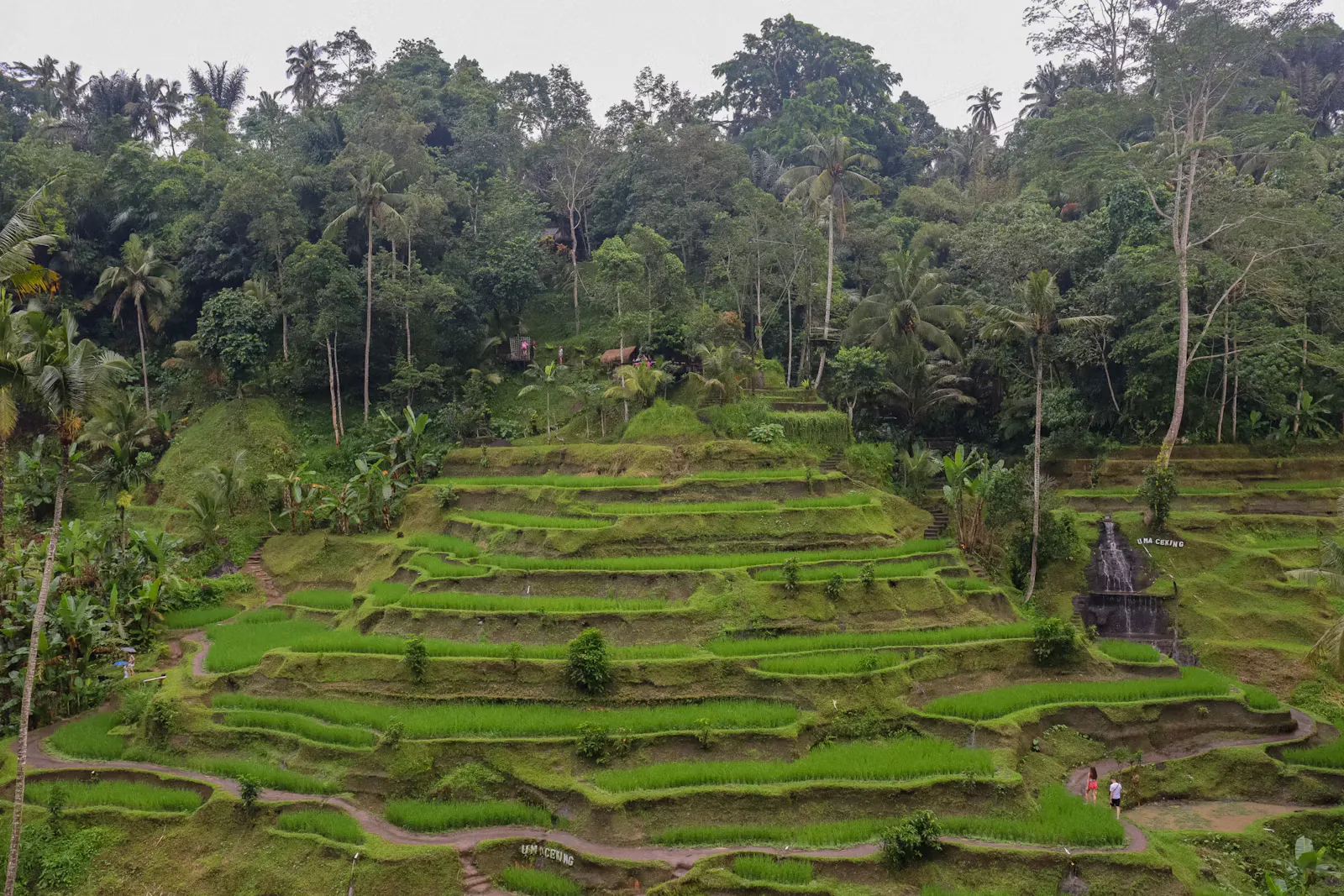
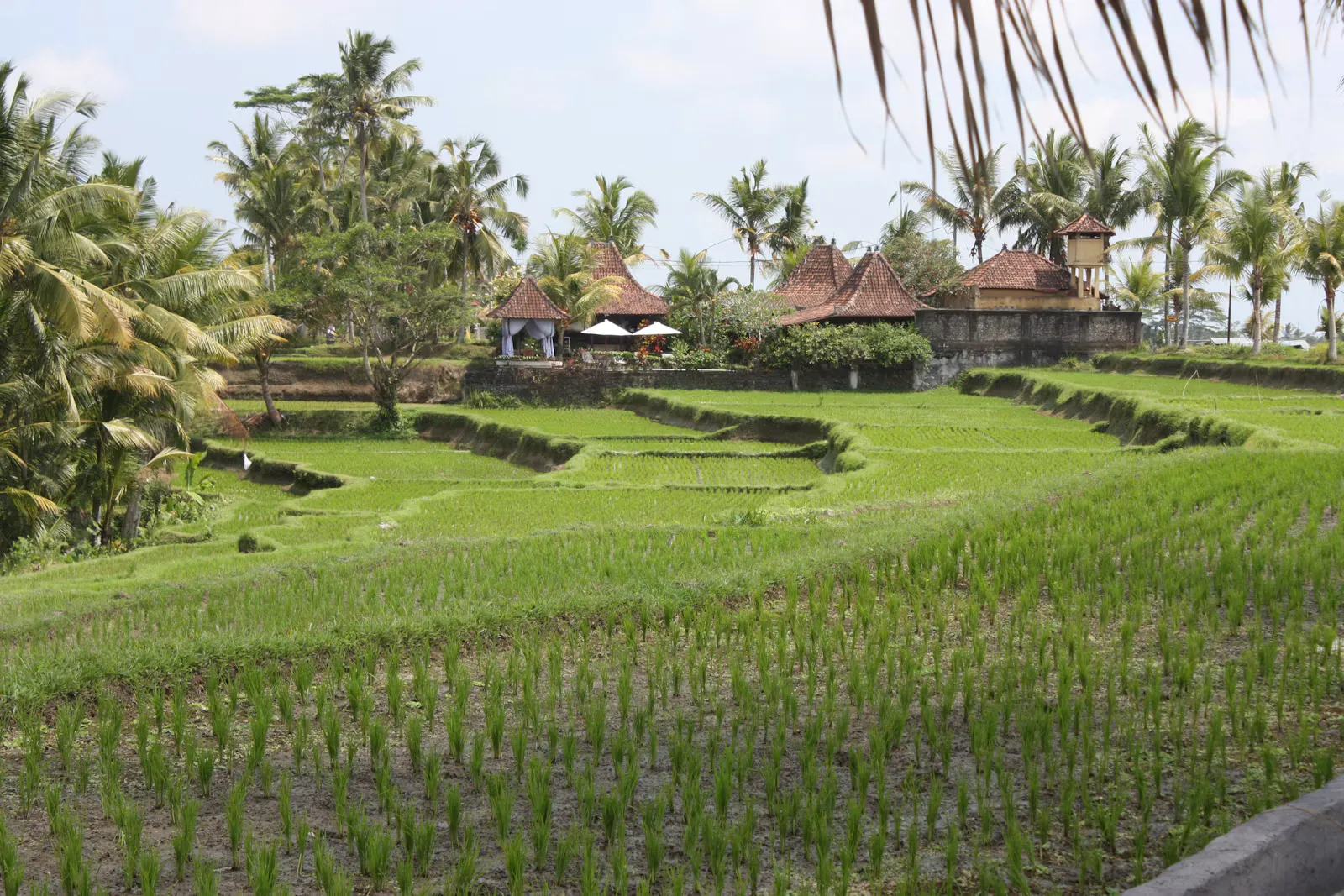
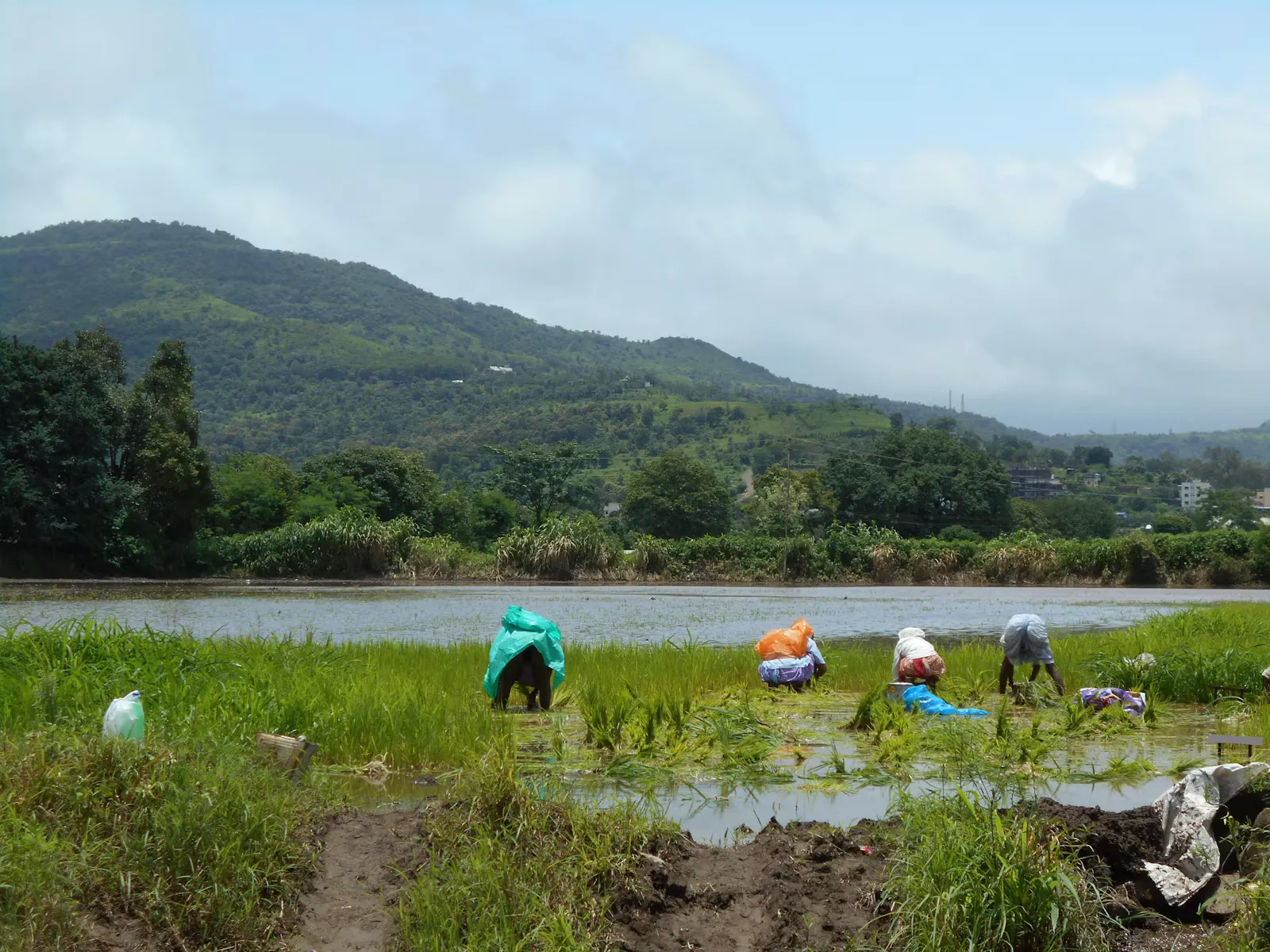
Ubud is famous as the cultural centre of Bali. Our Bali destination page describes it as "the spiritual and artistic heart of Bali", surrounded by green rice terraces and dense forest, with yoga retreats, galleries and traditional crafts. People come for the temples, the landscape and Balinese culture rather than for beaches.
That makes Ubud different from the rest of the island. Denpasar is Bali's capital and administrative centre, and it's where the international airport is. Kuta and Seminyak are coastal towns known for nightlife, international restaurants and surf beaches, and Canggu is popular with young travellers and digital nomads. Ubud is the quieter, greener option, and for a student who wants to understand the island and its people, that's a real advantage.
Is Ubud worth visiting? For a placement student the answer is easy: you don't just visit Ubud, you live there for weeks. You'll see daily offerings on the pavement, ceremonies that block the street and processions to the temple, and you'll learn more about Balinese life after a shift than most tourists do in a holiday.
Ready for your adventure abroad?
Secure your spot for your internship abroad now.
How busy is Bali, and who visits?
Bali is a very busy island. Statistics Indonesia (BPS) counted 6,948,754 direct foreign arrivals in Bali between January and December 2025, a rise of 9.72% on 2024, the state news agency ANTARA reported. Australia sent the most visitors, 1.63 million, or 23.44% of all foreign arrivals.
The rest of the top seven shows how international Bali is: India, China, South Korea, the United Kingdom, France and the United States each sent between about 270,000 and 570,000 visitors. For you, that means English is widely understood in tourist areas like Ubud, and you'll meet fellow students and travellers from all over the world.
Foreign arrivals in Bali in 2025 by country of origin, top seven. Source: BPS-Statistics Indonesia, Bali Province, as reported by ANTARA on 2 February 2026 (accessed 25 November 2026).
Where do you work and live on a placement from Ubud?
You live in Ubud and work at RSU Bangli Hospital. Our Bali page describes it as a tertiary-care hospital and an academic teaching hospital of Udayana University, and it says medical students are registered officially as elective students and take part in daily clinical work, including the wards and the operating room.
Here's what the placement includes, as our Bali page lists it:
What you get
Details from our Bali page (read 25 November 2026)
Hospital
RSU Bangli Hospital, teaching hospital affiliated with Udayana University
Specialties
Neurosurgery, trauma surgery and orthopaedics, general and visceral surgery, vascular and transplant surgery, plastic surgery, gynaecology, nephrology, paediatric cardiology, psychiatry and more
Start dates
Every Monday
Housing
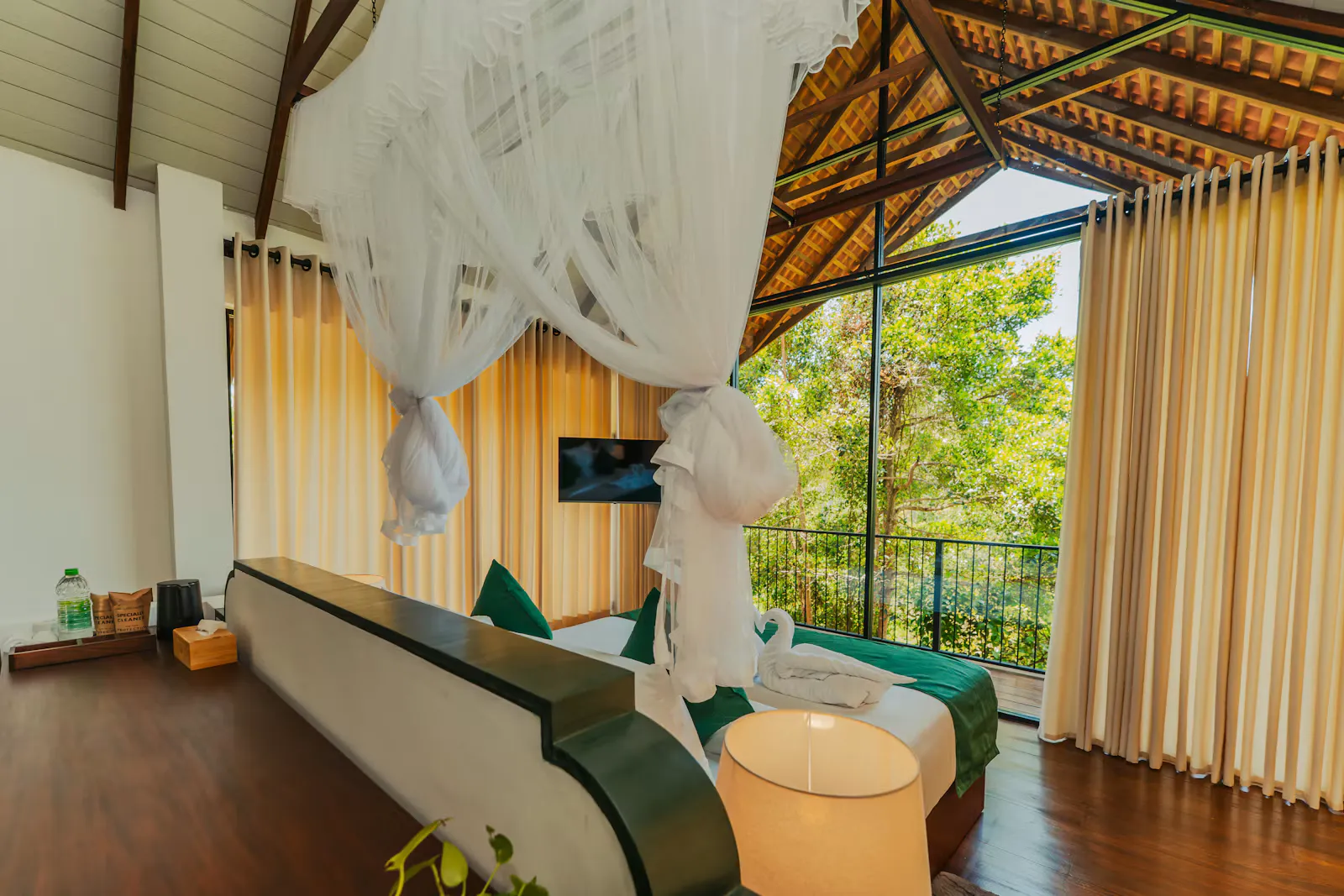
Shared travel4med accommodation in Ubud with pool, three meals a day, laundry service, Wi-Fi, yoga and air conditioning
Booking
Medical students apply at least 3 months ahead; doctors and premedical students at least 1 month ahead
Price
From EUR 1,720 (local costs and your own currency will differ)
Nursing students can read our guide to nursing in Bali for the ward side, and the German sister site describes the hospital in Bali in more detail. Ask us how the daily trip from Ubud to the hospital works when you book; we organise it with you.
What should you be careful of in Ubud?
Be careful of three things in Ubud: monkeys, dogs and traffic. Monkeys and dogs can carry rabies, and Bali's roads see many scooter accidents. UK government advice also reports bag snatching and drink spiking in Bali. None of this should put you off, but each one needs a plan from your first day.
Monkeys and the Sacred Monkey Forest
The Sacred Monkey Forest Sanctuary sits right in Ubud. Its official website describes a nature reserve and temple complex of about 12.5 hectares with three temples and more than 1,054 long-tailed macaques. It's open from 9 am to 6 pm, with last entry at 5 pm.
The sanctuary's own rules are worth reading before you go: you can't bring food, drinks or plastic bags into the forest, you shouldn't look a monkey directly in the eyes, because it may read that as aggression, and you must not touch or pick up the monkeys. If a monkey bites you, the forest asks you to go straight to its first aid clinic, where a nurse treats you.
Why so careful? A study in the US CDC journal Emerging Infectious Diseases followed 135 people treated in Marseille, France, after injuries from monkeys and other primates between 2001 and 2014. Twenty-five exposures happened in Indonesia, most of them in the Ubud Monkey Forest, and the authors concluded that tourists "should be given strong warnings before travel to visit Koh Phi Phi, Lopburi, or Ubud". Most of the injured people had no rabies vaccination before travel.
Dogs, rabies and what to do after a bite
The US CDC says dogs infected with rabies are commonly found in Indonesia, and asks travellers to be extra careful around dogs, bats and monkeys. UK government advice adds that there are many street dogs in Bali and monkeys around temples and tourist areas, and that you should get medical help immediately after any bite or scratch.
As a medical or nursing student you already know the drill: wash the wound thoroughly, then get assessed for post-exposure treatment the same day. Our guide to rabies on a medical elective explains pre-exposure vaccination and the steps after a bite.
Scooters, traffic and your bag
UK government advice says traffic discipline in Bali is very poor and that there has been a large increase in moped and motorbike accidents, some of them fatal. If you ride, wear a good helmet, and check that your licence and your insurance actually cover it. Our Bali page puts it more gently: traffic can seem hectic, and honking is usually a warning, not aggression.
The same advice reports frequent bag snatching in Bali and drink spiking in Bali, Lombok and the Gili Islands. Carry your bag on the side away from the road and keep an eye on your drink. Our full guide to whether Bali is safe covers scams, emergency numbers and the rest.
Is Ubud full of mosquitoes, and how do you stay healthy?
Ubud is green, wet and full of rice fields, so yes, plan for mosquitoes. The good news: the US CDC reports no malaria transmission in Ubud or in Bali's resort areas. The bad news: mosquitoes in Indonesia still spread dengue, so repellent and covered arms in the evening matter.
The CDC's Indonesia page (last reviewed 25 August 2026) also lists the vaccines most travellers should discuss:
Hepatitis A for unvaccinated travellers aged one year or older, and hepatitis B for unvaccinated travellers of all ages.
Typhoid for most travellers, plus measles protection with MMR for all international travellers.
Japanese encephalitis and rabies are case-by-case decisions for your travel clinic; our guides to the Japanese encephalitis vaccine and the dengue vaccine help you prepare that conversation.
If you need help, UK government advice says you call 118 for an ambulance in Indonesia, and it warns that the standard of local medical care can be poor. That's why you need medical elective insurance that covers treatment and evacuation. Which vaccinations you need is a decision for your own doctor; our overview of vaccinations for a medical elective abroad explains each one.
Secure Information Material
Request all the important info for free, no obligation.
The best time for Ubud is the dry season, from April to October, when our Bali page describes sunny days, little rain and temperatures between 24 and 31 degrees Celsius. From November to March the monsoon brings heavy rain, but it's usually short and intense and often falls in the late afternoon or at night.
The hospital runs all year, so a placement in the rainy season works fine. UK government advice says Bali can suffer severe local flooding with traffic jams and power cuts, so leave extra time for the road to the hospital in those months. The Austrian sister site has a month-by-month guide to the weather in Bali, and our guide to the best time for a medical elective abroad compares all four of our destinations.
One date to check: Nyepi, the Balinese New Year. UK government advice explains that local custom requires everyone in Bali to observe a day of silence, so nobody goes out, and that applies to you too. Ask us whether Nyepi falls in your placement weeks.
How should you behave in Ubud's temples and streets?
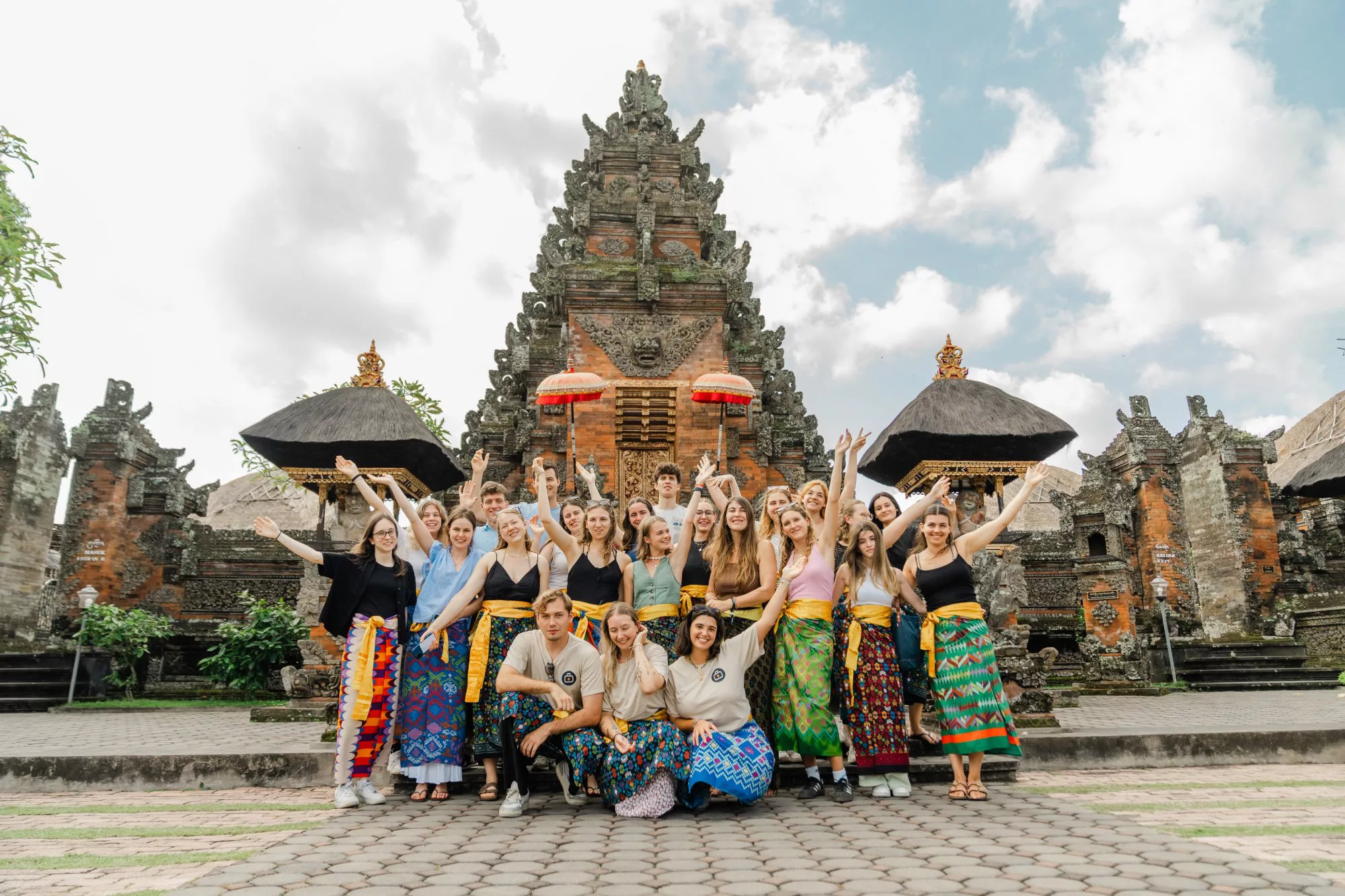
Ubud is full of temples and ceremonies, so a little respect goes a long way. Our Bali page says to cover your shoulders and knees in temples (sarongs are often available at the entrance), to take off your shoes and behave politely, and to keep a respectful distance from religious ceremonies, which often take place in the street.
Greet people with "Om Swastiastu", the Balinese hello, often with a slight bow and your hands together. "Terima kasih" means thank you in Bahasa Indonesia, and "suksma" is thank you in Balinese. The official language is Bahasa Indonesia, Balinese is widely spoken, and English is the common foreign language in tourist areas.
Most of the planning happens before you fly. Follow this order and you'll arrive in Ubud with your paperwork, money and health checks done.
Confirm your placement and dates with your faculty and with us at least 3 months ahead, including which department you want at RSU Bangli Hospital.
Sort your visa. A placement is not a holiday, and our Bali visa guide explains which visa fits; your place is confirmed once your acceptance letter and visa are available.
Book your travel clinic appointment early, because some vaccines need more than one dose, and ask about rabies pre-exposure vaccination.
Get travel insurance that covers treatment, evacuation and, if you plan to ride one, scooters.
Pack light, modest clothes, a sarong for temples, a rain jacket from November to March and mosquito repellent.
Learn five words of Bahasa Indonesia and Balinese so you can greet patients and staff on day one.
Use your first free afternoon for a walk through Ubud and the rice fields, and save the Monkey Forest for when you know the rules.
Your placement in Bali with travel4med
We place medical, nursing and physician assistant students and doctors at RSU Bangli Hospital, with Monday starts, shared accommodation in Ubud, three meals a day and on-site support. Our Bali destination page shows the specialties and prices, and the futuredoctor group ecosystem shows how travel4med fits into the wider network of medical education services.
Planning a placement from Ubud, or in Galle, Pokhara or Zanzibar? We place medical, nursing and physician assistant students in all four destinations for clinical electives, final-year placements, nursing placements and observerships. Book a free consultation, compare our destinations or join our free webinar to see what a week in Bali looks like.
travel4med. Bali destination page (RSU Bangli Hospital, Udayana University affiliation, registration as elective students, specialties, Monday starts, accommodation in Ubud and amenities, booking lead times, price from EUR 1,720, cities, climate, behaviour and language tabs): travel4med.com/destinations/bali (accessed 25 November 2026).
ANTARA News. Bali's foreign tourist arrivals rise nearly 10 pct in 2025, BPS says, 2 February 2026 (6,948,754 foreign arrivals in 2025, +9.72%, arrivals by country, BPS Bali statement): en.antaranews.com (accessed 25 November 2026).
Sacred Monkey Forest Sanctuary Ubud. Official website (more than 1,054 long-tailed macaques, opening hours): monkeyforestubud.com (accessed 25 November 2026).
Sacred Monkey Forest Sanctuary Ubud. Guidelines and FAQ (12.5 hectares, three temples, no food, drinks or plastic bags, eye contact, no touching, first aid clinic after a bite): monkeyforestubud.com (accessed 25 November 2026).
Blaise A, Parola P, Brouqui P, Gautret P. Rabies Postexposure Prophylaxis for Travelers Injured by Nonhuman Primates, Marseille, France, 2001 to 2014. Emerging Infectious Diseases, Volume 21, Number 8, August 2015 (135 injured people, 25 exposures in Indonesia, most in the Ubud Monkey Forest): wwwnc.cdc.gov (accessed 25 November 2026).
US Centers for Disease Control and Prevention. Indonesia, Traveler View, last reviewed 25 August 2026 (no malaria transmission in Ubud, rabid dogs, vaccines): cdc.gov (accessed 25 November 2026).
UK Foreign, Commonwealth and Development Office. Indonesia travel advice, Health (street dogs and monkeys in Bali, ambulance 118, standard of local care): gov.uk (accessed 25 November 2026).
UK Foreign, Commonwealth and Development Office. Indonesia travel advice, Safety and security (moped accidents, helmets, bag snatching, drink spiking, flooding, Nyepi day of silence): gov.uk (accessed 25 November 2026).