Best Time for a Medical Elective Abroad: 2026/27 Guide
The best time for a medical elective abroad is the window where your school's elective block overlaps with the drier months at your destination. For our four destinations, that means December to March on Sri Lanka's south west coast, October to November and March to April in Nepal, April to October in Bali, and June to October in Zanzibar. Hospitals run all year, so no month is off limits. But picking the best time can save you a lot of wet commutes, cancelled weekend trips and mosquito bites.
Key Takeaways
Sri Lanka (south west coast): the south west monsoon runs May to September and October to November is the rainiest period for the island as a whole, so December to March is the best time for Galle.
Nepal: Kathmandu's climate normals put about 78% of the year's rain into June to September. October to November and March to April are the classic dry windows.
Bali: Denpasar averages 27 rain days in January but only 4 in July and August, so April to October is the best time.
Zanzibar: two rainy seasons, the long rains around March to May and the short rains around November and December. June to October is the driest stretch.
2026/27 is not a normal year. WMO says a very strong El Niño will almost certainly last until February 2027, Indonesia expects a late rainy season and Tanzania expects above average rain on Unguja and Pemba from October 2026.
Your school decides first. Weather only chooses between destinations once you know which weeks your medical school or nursing programme will actually let you go.
What is the best time for a medical elective abroad?
There is no single best time for every student, and that is the honest answer. The best time is a compromise between three calendars: your school's elective or placement window, the rainy and dry seasons at the destination, and the lead times for visas, vaccinations and approval. Weather comes second, because a perfect dry season is useless if it falls in your exam term. The best time on a climate chart only helps once your school has said yes.
Still, weather matters more than you might think. Rain changes how long your commute takes, whether the clinic bus runs on time and whether that weekend trek or dive actually happens. In the tropics the wet season also tends to bring more mosquitoes, which is why our guide to dengue in Sri Lanka ties its advice to the monsoon calendar.
So treat this guide as a tie breaker. Once you know your window, use the climate data below to choose the destination that will be at its best when you can travel. If you are still weighing up where to go at all, start with the overview of our four destinations.
Ready for your adventure abroad?
Secure your spot for your internship abroad now.
Which months are wet and which are dry at each destination?
The most reliable starting point is the official climate normals that national weather services publish through the World Meteorological Organization's World Weather Information Service. These are long term averages, not forecasts, so they tell you what a typical year looks like. Here is the average number of rain days per month at the nearest city with published normals.
Average rain days per month. Source: WMO World Weather Information Service, climate normals supplied by the national weather services of Sri Lanka, Nepal, Indonesia and Tanzania, read 3 October 2026.
The same data as a planning table, with typical daytime highs:
Destination (reference station)
Rainy season(s)
Driest months
Average daily high
Sri Lanka, south west coast (Colombo)
May to September, plus October to November
December to March
about 30 to 32 °C all year
Nepal (Kathmandu)
June to September
October to April
about 18 °C in January to 28 °C in May and June
Bali (Denpasar)
November to March
April to October
about 30 to 34 °C
Zanzibar (Zanzibar)
March to May, and November to December
June to October
about 29 to 33 °C
A note on the reference stations. Our Sri Lanka placements are around Galle, our Nepal placements around Pokhara and our Bali placements in Bangli, inland. None of those towns has WMO normals of its own, so the table uses the nearest published station. Treat the numbers as a guide to the pattern, not an exact forecast for your hospital.
When is the best time for an elective in Sri Lanka?
For Galle and the south west coast, the best time is December to March. Sri Lanka does not have one rainy season. It has four seasons driven by two monsoons. According to the Sri Lankan Department of Census and Statistics, the south west monsoon runs from May to September, an inter monsoon period follows in October and November, the north east monsoon runs from December to February, and a second inter monsoon period comes in March and April.
The catch is that each monsoon hits a different side of the island. The south west monsoon soaks the south west, which is exactly where Galle sits. The north east monsoon mostly waters the eastern half. And the October to November inter monsoon is, in the words of the same official source, the rainiest period of the year for the island as a whole. Colombo's climate normals show it clearly: 17 rain days and about 365 mm of rain in October, and about 414 mm in November.
What about the March and April inter monsoon? It usually brings afternoon or evening thundershowers rather than days of steady rain, so March is still a decent month for the south west coast. It is warm the whole year, around 30 to 32 °C by day.
Planning around the rain also helps with mosquitoes. Sri Lanka's dengue curve follows the monsoons with a delay, which our dengue guide explains in detail. For everything else about working in a Sri Lankan hospital, read our medical elective in Sri Lanka guide.
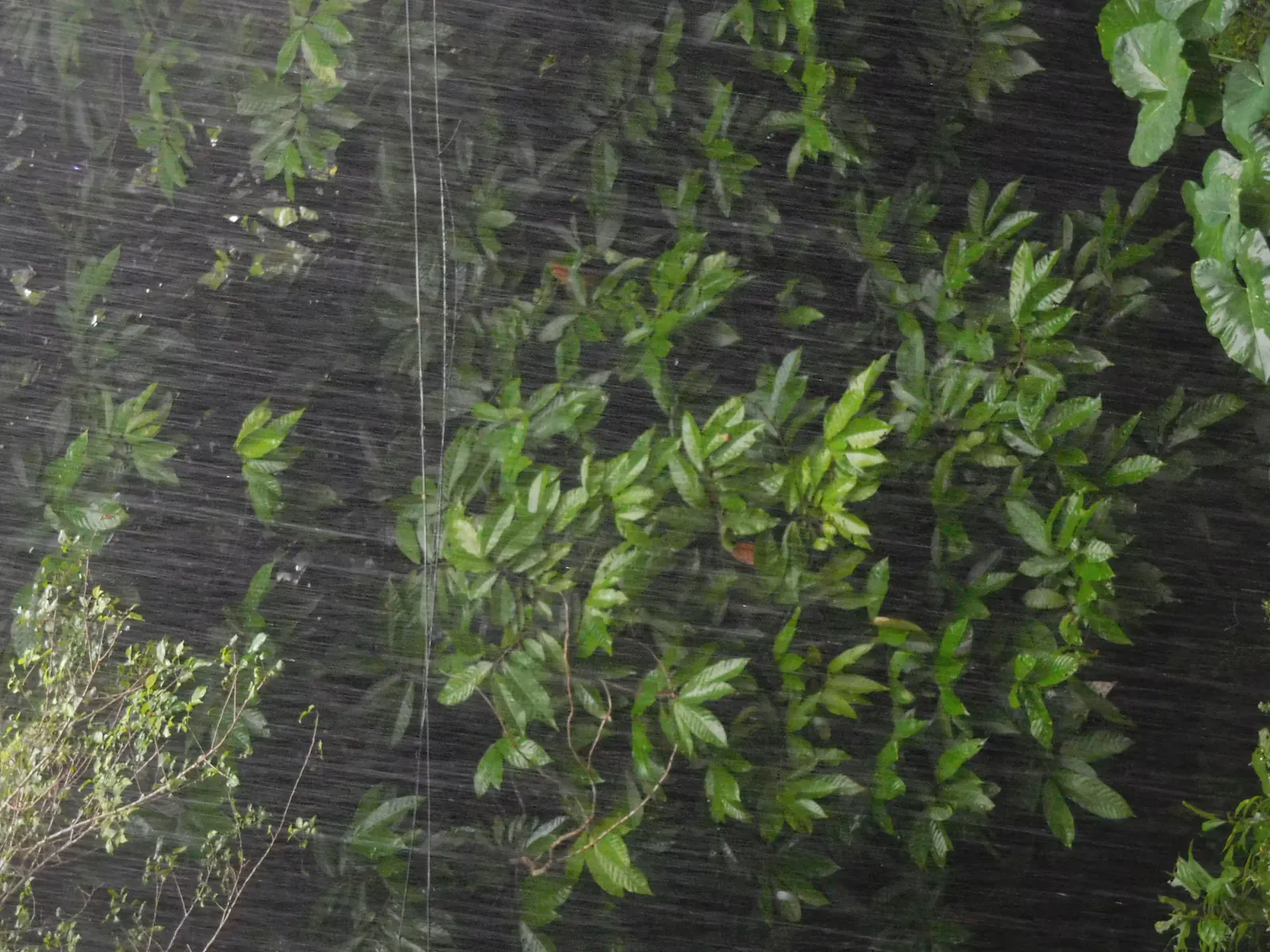
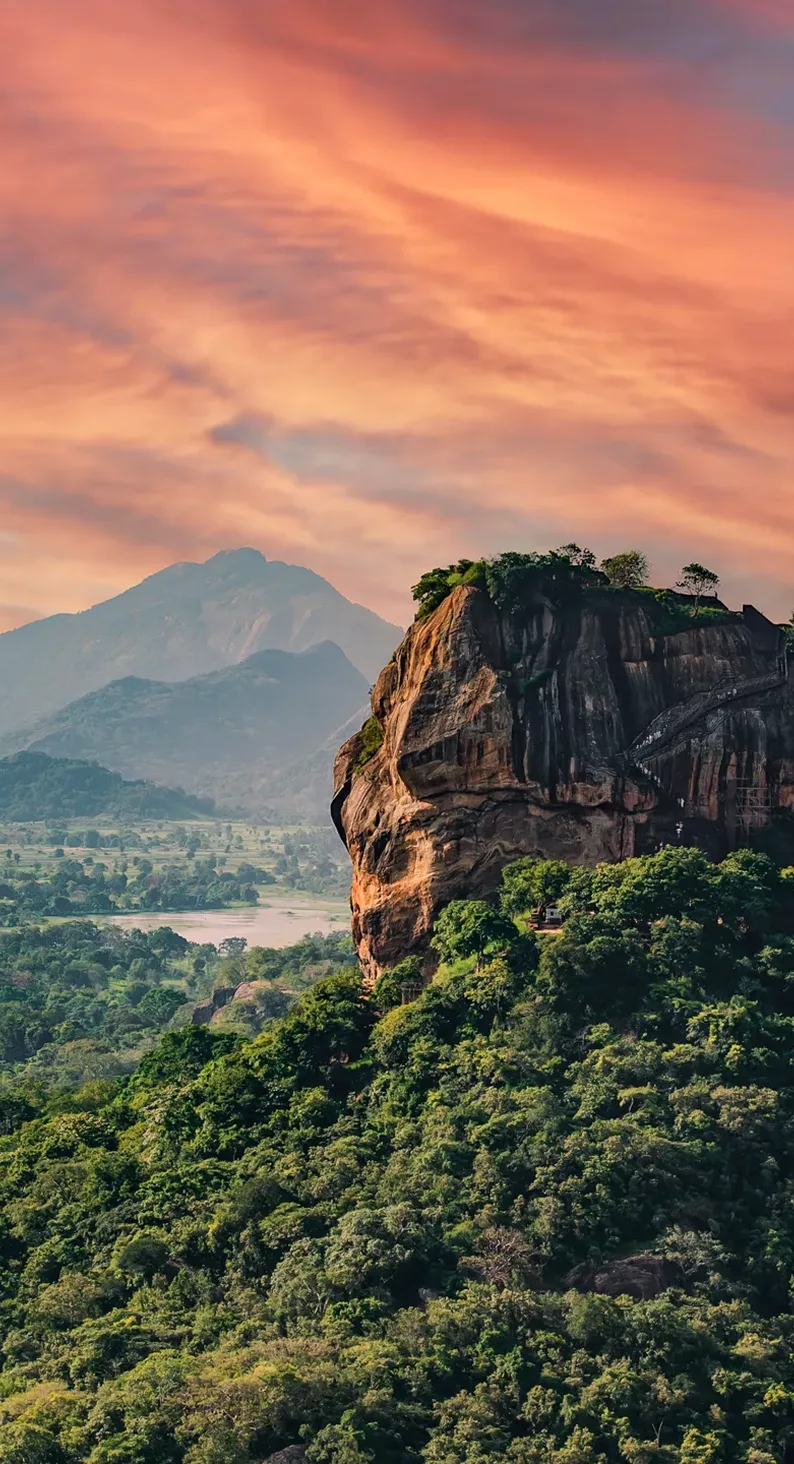
On the south west coast of Sri Lanka, May to September and October to November bring most of the rain.
When is the best time for an elective in Nepal?
For Nepal, the best time is October to November or March to April. Nepal's monsoon is short, intense and remarkably regular. The Department of Hydrology and Meteorology gives the normal onset date as 13 June and the normal withdrawal date as 2 October, which makes a typical monsoon about 112 days long.
In those four months it rains a lot. Kathmandu's WMO normals add up to about 1,425 mm a year, and about 1,113 mm of that, roughly 78%, falls between June and September. July alone averages 23 rain days. Pokhara's hills are wetter still: in the 2025 monsoon, the highest seasonal total in the whole country, 4,588.6 mm, was measured at Lumle station in Gandaki Province, the province Pokhara belongs to.
After the monsoon, Nepal turns dry fast. November averages a single rain day in Kathmandu. The trade off is cold. January nights average about 2 °C in Kathmandu, and many buildings have little heating, so a December or January elective needs proper warm layers. If you plan to trek after your placement, our guide to altitude sickness on a medical elective is worth reading before you book.
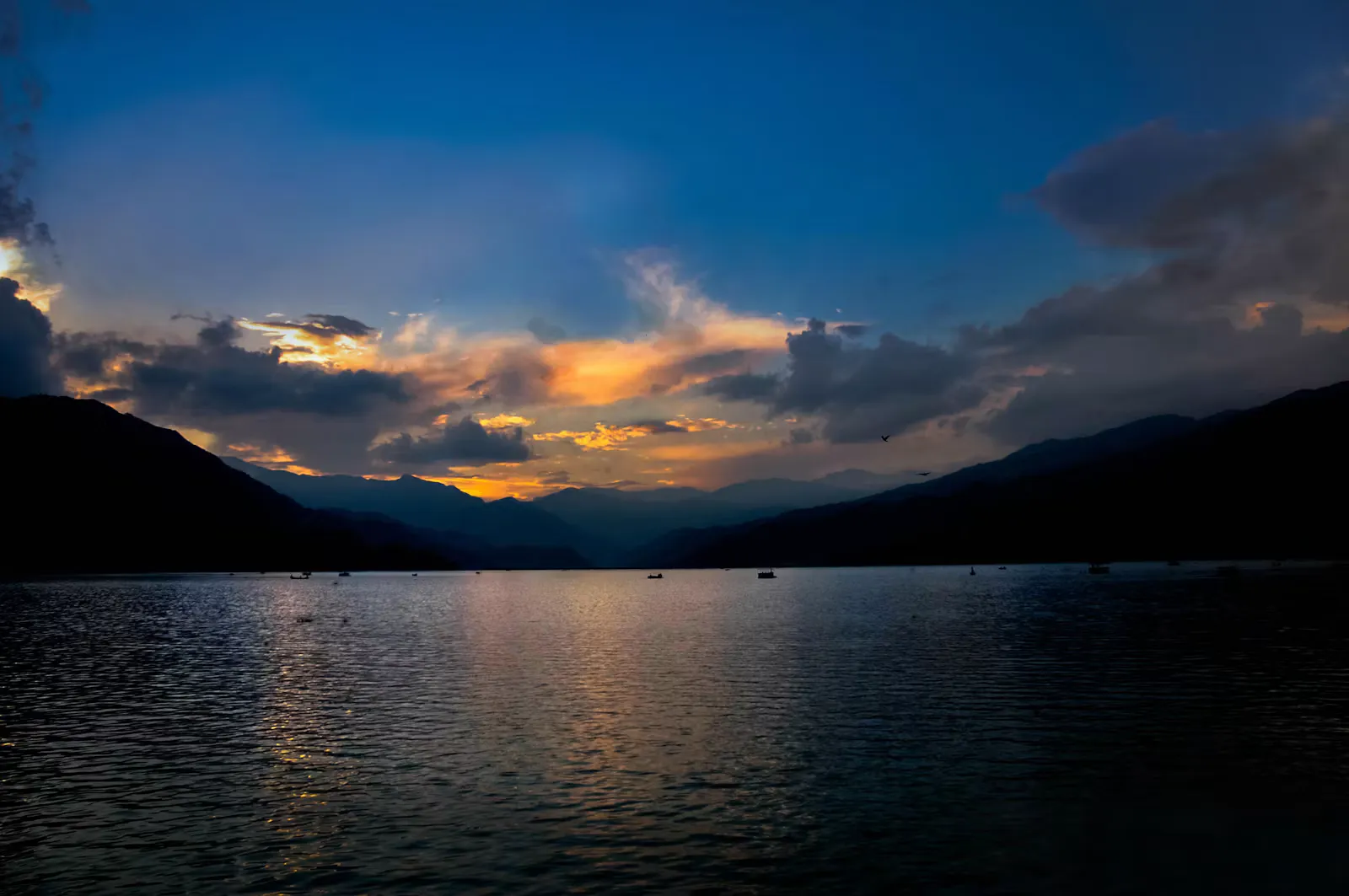
Two Nepal specific points. The monsoon does not always leave on time: DHM recorded withdrawal on 12 October in 2024 and on 10 October in 2025, both later than normal. And October is festival season, so check our guide to Dashain and your Nepal elective before you fix your dates. More on the placements themselves is in our medical elective in Nepal guide.
When is the best time for an elective in Bali?
For Bali, the best time is April to October. Bali follows the classic Indonesian pattern of one dry season and one wet season, and the difference is dramatic. Denpasar's climate normals from Indonesia's meteorology agency BMKG show 27 rain days and about 345 mm of rain in January, against only 4 rain days in July and in August, with about 55 mm and 25 mm.
That makes the middle of the year the clear winner. If your school's elective window falls in the northern summer, Bali is close to ideal. A December to February placement is still entirely possible, the hospital does not close for the rain, but expect heavy afternoon downpours and plan your free days with some flexibility. Practical details for a placement on the island are in our guide to a clinical clerkship in Bali, and Bali is open for every format we offer, including a final year clinical placement.
Secure Information Material
Request all the important info for free, no obligation.
When is the best time for an elective in Zanzibar?
For Zanzibar, the best time is June to October. East Africa works differently from South Asia. Zanzibar has two rainy seasons: the long rains, known locally as Masika, around March to May, and the short rains, called Vuli, around November and December. The UN Food and Agriculture Organization describes the long rains in Tanzania's coastal areas as spanning March to May.
The WMO normals for Zanzibar match that pattern. April is the wettest month with 17 rain days, May follows with 15, and November and December have 13 each. From June to October there are only 5 to 7 rain days a month, with daytime highs of about 29 to 31 °C. That long dry stretch is the best time for a placement on Unguja, the main island. January and February are also fairly dry, which gives you a second window between the short and long rains.
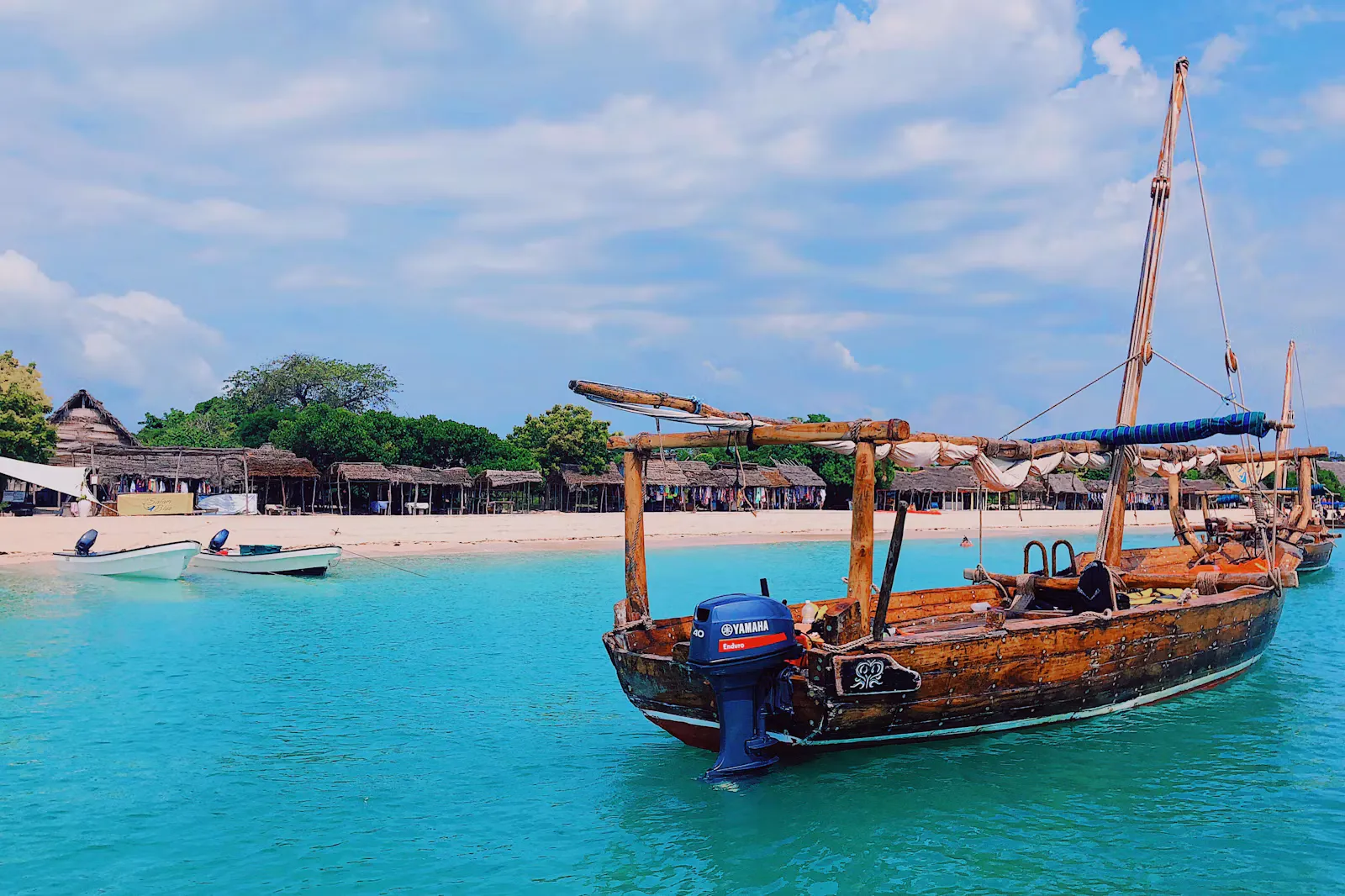
June to October is the driest stretch of the year on Zanzibar.
How could El Niño change the 2026/27 season?
Climate normals describe an average year, and 2026/27 is shaping up to be anything but average. In its August 2026 update, the World Meteorological Organization said El Niño was firmly established, that forecasts gave a near 100% probability of it lasting through September to November 2026 and December 2026 to February 2027, and that it could reach very strong intensity before peaking towards the end of the year. WMO also adds an important caveat: the strength of an El Niño does not translate directly into the size of its effect in any one region.
Two of our destinations already have official national outlooks that point in a direction:
Bali: On 22 September 2026, BMKG predicted that the 2026/27 rainy season would start later than its climatological average across 61.08% of Indonesia's land area. It expects most of Bali to enter the rainy season in December 2026, with part of the island starting in November, and it puts the peak of the rains in January 2027 for central Bali and February 2027 for most of the island. For you, that could mean a longer dry spell into late 2026.
Zanzibar: The FAO's July 2026 country brief reports that the Tanzania Meteorological Authority expects El Niño to bring above average rain to Unguja and Pemba from October 2026 onwards. So the short rains could be heavier than the normals suggest.
Sri Lanka and Nepal: we have not found a national seasonal outlook for the coming months that we could cite, so we do not guess. Check the latest forecast from Sri Lanka's Department of Meteorology and Nepal's DHM before you fly.
The practical lesson is simple. Use the normals to find the best time and pick a destination, then check the national weather service's seasonal outlook about a month before departure, and pack for the forecast rather than the average.
Matching your school's elective window to the weather
This is where the best time on paper meets your real timetable. Your school sets the window, not the climate. Here is how two common windows line up with the rain, using the same WMO normals added up month by month.
Total average rain days across each three month window, summed by travel4med from the WMO World Weather Information Service climate normals, read 3 October 2026.
If your elective falls between June and August, it is the best time for Bali and Zanzibar, while Nepal is in the middle of the monsoon and Sri Lanka's south west coast is wet. If it falls between December and February, Nepal is the driest choice (if you can handle cold nights), Sri Lanka's south west coast is good, Zanzibar is fine once the short rains ease, and Bali is in its wet season.
Rain is only one part of the timing question. Applications and approvals take months, so read our medical elective application timeline alongside this guide. If you are working on a final year placement, a nursing internship or a shorter observership, the same logic applies: fix the window, then choose the destination. Sister brand SlayMed has a German language walkthrough of planning a clinical placement month by month that is useful if you read German.
Does the rainy season change hospital work or your health?
Hospital work carries on in every season at all four destinations. Wards stay open, outpatient clinics run and emergencies arrive whatever the weather. If anything, the wet season can show you conditions you would rarely see in the dry months. What changes is everything around the hospital.
Packing: a light rain jacket, quick drying scrubs and closed shoes earn their place in the wet season, and warm layers in a Nepali winter. See the packing list for a clinical internship abroad.
Insurance: check that your policy covers weather related delays and cancellations. Our medical elective insurance guide explains what to look for.
There is an upside too. The best time for weather is often the busiest time for tourism. Outside the peak tourist months, flights and accommodation are often easier to find, and our budget guide for a clinical placement abroad shows where the money actually goes.
How to pick the best time for your elective in seven steps
Get your window in writing. Ask your elective office or placement coordinator which weeks you can go and how long the placement must be.
Check your recognition rules. Ask your faculty and your national regulator whether a placement abroad counts, and in which format.
Compare the weather. Line up your window with the table and charts above and shortlist the destinations at their best in those weeks.
Count back for paperwork. Visas, vaccinations and hospital confirmation take weeks to months. Our guide to visa requirements for Sri Lanka and Nepal shows the typical steps.
Check festivals and holidays. Big festivals can change clinic rhythms and travel prices, so ask your host about the weeks you plan to arrive.
Check the seasonal outlook. About a month before you leave, read the national weather service's latest seasonal outlook, especially in an El Niño year like 2026/27.
Book in the right order. Confirm the hospital place first, then flights and accommodation, so a change of dates does not cost you twice.
Know your window but not your destination? We place medical and nursing students in Sri Lanka, Nepal, Bali and Zanzibar all year, for electives, clinical clerkships, final year clinical placements, nursing internships, physician assistant placements and observerships. Tell us your dates and we will tell you honestly which destination will be at its best. Book a free consultation. travel4med is run by travelformed GmbH in Frankfurt, part of the futuredoctor group.
Researched and editorially reviewed by Celina Köhsl, medical student and member of the travel4med team.
Frequently Asked Questions
Sources
World Meteorological Organization, World Weather Information Service, climatological information for Colombo (Department of Meteorology Sri Lanka, 1961 to 1990 normals), read 3 October 2026: https://worldweather.wmo.int/en/city.html?cityId=227
World Meteorological Organization, World Weather Information Service, climatological information for Kathmandu (Department of Hydrology and Meteorology Nepal), read 3 October 2026: https://worldweather.wmo.int/en/city.html?cityId=114
World Meteorological Organization, World Weather Information Service, climatological information for Denpasar (BMKG, 1961 to 1990 normals), read 3 October 2026: https://worldweather.wmo.int/en/city.html?cityId=649
World Meteorological Organization, World Weather Information Service, climatological information for Zanzibar (Tanzania Meteorological Authority, 1971 to 2000 normals), read 3 October 2026: https://worldweather.wmo.int/en/city.html?cityId=672