Leptospirosis is a bacterial infection that animals spread through their urine, and people catch it from contaminated fresh water, mud or wet soil. For a medical or nursing student on placement in the tropics, leptospirosis matters twice: you could catch it after heavy rain or a river trip, and you'll very likely meet patients with it on the ward. This guide explains how leptospirosis spreads, what it looks like, how it's treated and how to avoid it.
Written and medically reviewed by MUDr. Amandeep Grewal, a doctor on the travel4med team whose review scope covers vaccinations, tropical medicine and clinical content.
Key Takeaways
What it is: leptospirosis is a zoonotic infection caused by spiral-shaped Leptospira bacteria, which live in the kidneys of rats, cattle, pigs, dogs and many other animals and leave the body in urine.
It's common in the tropics. A 2015 global estimate in PLOS Neglected Tropical Diseases put the burden at 1.03 million cases and 58,900 deaths a year, with the highest rates in South and Southeast Asia, among other regions.
All four of our destinations are on the list. The US CDC names leptospirosis as a risk for travellers to Sri Lanka, Nepal, Indonesia (Bali) and Tanzania (Zanzibar), and reports increased cases in Indonesia.
The incubation period is usually 5 to 14 days and can range from 2 to 30 days, so symptoms can start after you've flown home.
There's no generally used vaccine for people. Prevention means avoiding floodwater and fresh water, covering cuts with waterproof plasters and showering after exposure.
What is leptospirosis?
Leptospirosis is a zoonotic infection caused by bacteria of the genus Leptospira, spread from animals to people. The UK Health Security Agency (UKHSA) says over 160 animal species carry the bacteria, most often rodents, cattle and pigs. The bacteria live in the animals' kidneys and are shed in urine, often without the animal looking sick.
The name you'll also hear is Weil's disease. Strictly, that's the severe form: UKHSA describes Weil's disease as severe leptospirosis with liver failure and jaundice. The NHS uses the two names side by side for the whole illness, which is why patients and websites mix them up.
Leptospirosis is not rare worldwide. The most widely cited estimate, a 2015 systematic review in PLOS Neglected Tropical Diseases by Costa and colleagues, put the global burden at 1.03 million cases and 58,900 deaths a year. Nearly half the cases (48%) were in men aged 20 to 49, and the highest rates were in South and Southeast Asia, Oceania, the Caribbean, Latin America and East Sub-Saharan Africa. Compare that with England, where UKHSA counted on average 57 laboratory-confirmed and 89 probable cases a year from 2020 to 2023. That's the gap between where most of us train and where you'll be on placement.
How do humans get leptospirosis?
Humans get leptospirosis when urine from an infected animal, or water and soil contaminated by it, reaches broken skin or the eyes, nose or mouth. UKHSA says the bacteria enter more easily when the skin is cut or waterlogged. Transmission through animal bites, and from one person to another, is rare.
Water is the main route. UKHSA writes that leptospirosis is most commonly transmitted by water contaminated with urine, so outbreaks often follow heavy rainfall and flooding. The bacteria survive longer in warm, humid environments, which is why the disease is more common in tropical regions.
The people most at risk, according to UKHSA, the European Centre for Disease Prevention and Control (ECDC) and the Pan American Health Organization (PAHO), are:
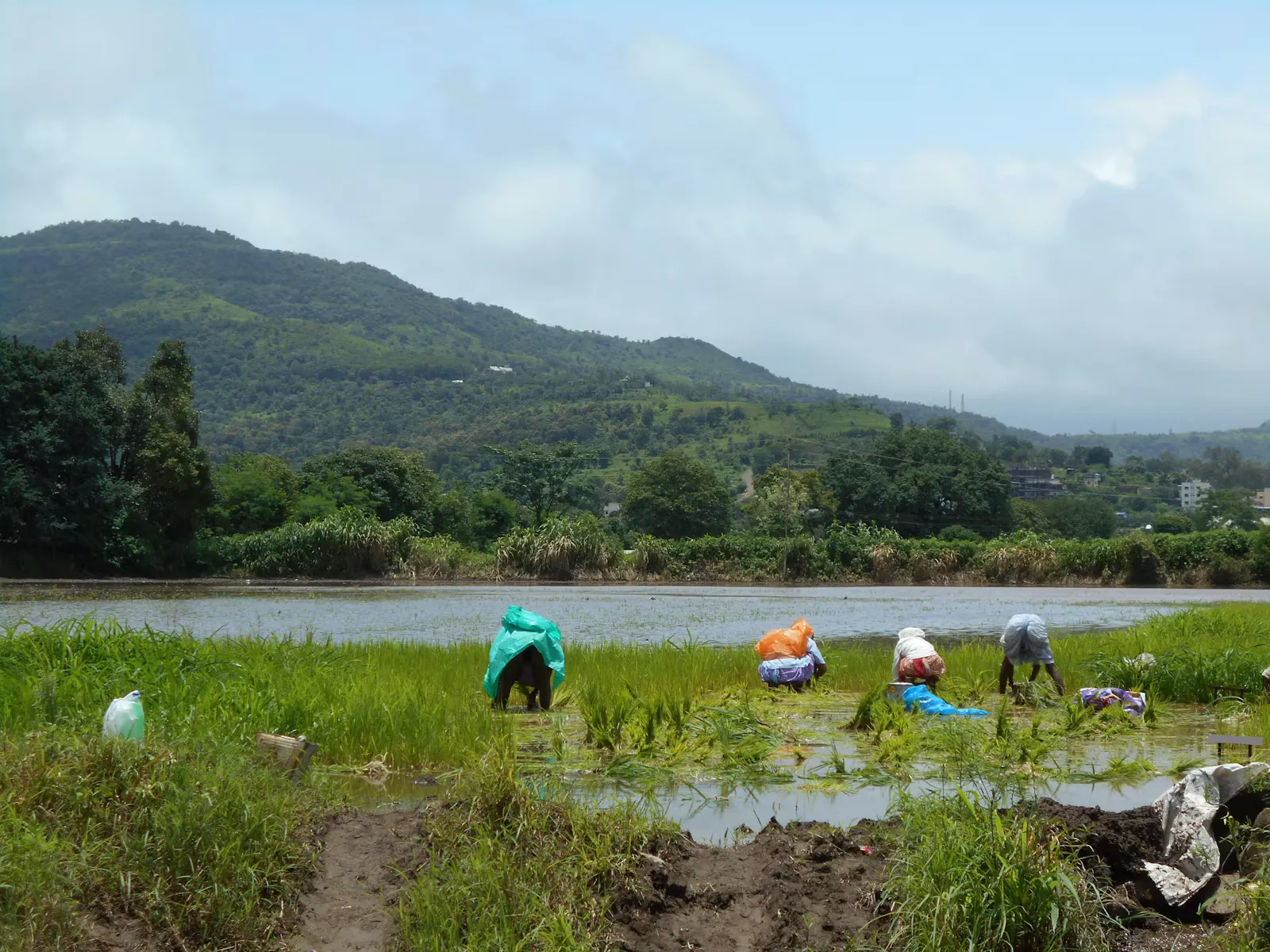
farmers and agricultural workers, including rice and sugar cane field workers
vets, sewage and sewer workers, pest control and construction workers, and military personnel
anyone who swims, wades or does water sports in fresh water, such as rivers, lakes and canals
people living through floods, where streets and homes fill with contaminated water
As a student, you're most likely to fall into the last two groups: a weekend of rafting or a swim in a river, or a commute through flooded streets after a monsoon downpour. The PLOS review even cites a Sri Lankan report (Agampodi and colleagues, 2014) on an outbreak after white-water rafting, described as a possible shift from rural to recreational leptospirosis.
Ready for your adventure abroad?
Secure your spot for your internship abroad now.
Is leptospirosis a risk in Sri Lanka, Nepal, Bali and Zanzibar?
Yes. The US Centers for Disease Control and Prevention (CDC) lists leptospirosis as a non-vaccine-preventable risk on its traveller pages for all four countries where we place students. In each case it names the same routes: animal urine, wading or swimming in contaminated fresh water and mud, and food or drink contaminated with animal urine.
Destination
What the CDC traveller page says (accessed 26 November 2026)
Our placement page
Sri Lanka
Leptospirosis is listed and "is found in Sri Lanka"; avoid swimming in fresh, unchlorinated water such as lakes, ponds or rivers (page reviewed 25 August 2026)
Flooding notice: "Indonesia is reporting increased cases of leptospirosis", with higher risk after floods or heavy rainfall (page reviewed 25 August 2026)
The pattern across all four is the same: the risk rises with rain. If you're planning when to travel, our guide to the best time for a medical elective abroad sets out the wet and dry seasons for each destination. For Sri Lanka in particular, our German-language sister site has a detailed piece on the rainy season in Sri Lanka.
What are the symptoms of leptospirosis in humans?
The symptoms of leptospirosis in humans range from none at all to a life-threatening illness. The NHS says most infected people have no symptoms or mild, flu-like ones: high temperature, headache, body aches, tummy pain, nausea or vomiting, diarrhoea, red eyes and, in some cases, yellow skin or eyes (jaundice).
ECDC describes leptospirosis as a two-phase illness. The first phase lasts 4 to 9 days with flu-like symptoms such as headache, chills, muscle aches and vomiting. In the second phase, fever, jaundice, abdominal pain and diarrhoea are the most common features, and severe cases can develop organ failure. UKHSA adds that the illness may seem to improve before an acute deterioration, so feeling better for a day or two isn't proof you're in the clear.
The severe forms, according to PAHO and UKHSA, are:
Weil's syndrome: jaundice, kidney failure, bleeding and myocarditis with arrhythmias
Meningitis or meningoencephalitis
Pulmonary haemorrhage with respiratory failure
PAHO notes that most reported cases are severe ones, and that their mortality is greater than 10%. That's why early treatment matters so much.
Leptospirosis on the ward: what you'll learn to spot
For a clinical student, leptospirosis is also a lesson in diagnosis. PAHO points out that its symptoms are easily confused with other common tropical diseases, especially dengue and other haemorrhagic fevers, and lists malaria, typhoid, viral hepatitis, influenza and rickettsial infections among the differentials.
The clinical clues PAHO describes are fever, headache, myalgia (particularly in the calf muscles), conjunctival suffusion (red eyes without pus), jaundice and general malaise, together with a history of exposure: farm work, floodwater, animals or a swim in fresh water. Taking that exposure history is a skill you can practise on every febrile patient. Our guide to clinical skills on a medical elective has more on history taking abroad.
Confirming leptospirosis isn't simple. PAHO explains that diagnosis usually relies on serology plus the clinical picture. The gold standard, the microscopic agglutination test (MAT), needs two serum samples taken about 10 days apart, looking for a four-fold or greater rise in antibody titre. ELISA, culture and PCR are used too, and UKHSA notes that urine stays PCR-positive for longer than blood. So while the results are pending, the clinical picture and the exposure history carry a lot of weight.
Don't worry about catching it from your patients. UKHSA and PAHO both state that person-to-person transmission is very rare. Follow the standard precautions your host hospital uses for every patient, and know what to do after a sharps accident from our guide to needlestick injuries on a medical elective.
How is leptospirosis treated?
Leptospirosis is treated with antibiotics, and treatment works best when it starts early. The NHS says most patients get antibiotic tablets from a GP and recover in a few days or weeks, while people with severe symptoms may need hospital treatment. ECDC adds that oral antibiotics are used in less severe cases and large doses of penicillin are recommended in severe cases.
Two points matter for you as a patient. First, finish the full course of antibiotics, even when you feel better, as the NHS advises. Second, don't self-treat: the right drug and dose depend on how ill you are and on what else the doctor suspects, and in the tropics that differential includes dengue. Our guide to dengue in Sri Lanka covers that other big cause of fever.
If untreated, ECDC says recovery may take several months. Severe disease with kidney failure, liver failure or lung bleeding needs hospital care.
Secure Information Material
Request all the important info for free, no obligation.
There's no leptospirosis vaccine in general use for people. UKHSA states that there is no available vaccination against leptospirosis for humans in the UK, and ECDC says human vaccination exists in a limited number of countries but is not considered a generally applicable option. The leptospirosis vaccine most people read about is the one for dogs and cattle.
That makes leptospirosis different from the vaccine-preventable risks on our destination list. Your travel clinic will still plan vaccinations for your medical elective abroad against hepatitis A, typhoid, rabies and others, but for leptospirosis your protection is behaviour. Ask your travel clinic about your personal risk if you plan activities in fresh water or floodwater.
How to avoid leptospirosis in 7 steps
These steps come from the prevention advice of UKHSA, the NHS and the CDC traveller pages. None of them is hard, and together they cut most of your risk:
Stay out of floodwater. Don't wade through flooded streets if you can avoid it. If you must, wear closed waterproof shoes or boots, as the CDC advises for Indonesia.
Skip the river swim. Avoid swimming in fresh, unchlorinated water such as lakes, ponds and rivers, the CDC's advice for Sri Lanka. A chlorinated pool is the safer choice.
Cover every cut. Put waterproof plasters on cuts and grazes before any contact with water or mud.
Keep water out of your eyes, nose and mouth. Don't swallow water when swimming or rafting, and never drink untreated water from rivers or lakes; boil or treat it first.
Wash and shower. Clean any wound as soon as possible after exposure, shower soon afterwards and wash your hands after contact with animals.
Keep away from rodents and dead animals. Avoid contact with rats and mice, and don't touch dead animals with your bare hands.
Remember the 30 days. If you get a fever or flu-like illness within a month of exposure, during or after your trip, see a doctor and mention the water or animal contact.
Add waterproof plasters and a pair of closed sandals or light boots to your packing list, and read up on the other water and animal risks in our guides to travellers' diarrhoea, rabies and snakebite. If you read German, our sister site travel4med.de covers the same disease for German students in Leptospirose im Auslandspraktikum.
Your placement abroad with travel4med
Leptospirosis shouldn't put you off a placement in the tropics. It's a preventable risk, and seeing it diagnosed and treated is part of what you learn about fever and jaundice on a tropical ward. We place medical, nursing and physician assistant students in Sri Lanka, Nepal, Bali and Zanzibar for medical electives, final-year and clinical placements, nursing placements, PA placements and observerships for doctors. Whether a placement counts towards your degree is decided by your own faculty and your national medical or nursing council, so check with them before you book. travel4med is part of the futuredoctor group; see the whole futuredoctor ecosystem for the other services along the way to becoming a doctor.
Planning a placement in Sri Lanka, Nepal, Bali or Zanzibar? We'll help you pick the right destination and season and prepare for the health side, leptospirosis included. Book a free consultation, compare our destinations or join our free webinar.
UK Health Security Agency. Leptospirosis: guidance, last updated 20 August 2024 (zoonotic infection, more than 160 animal carrier species, transmission routes, flooding, risk groups, about 1 million cases and 60,000 deaths a year globally, England 57 confirmed and 89 probable cases a year 2020 to 2023, prevention, no human vaccine, Weil's disease, PCR in urine): gov.uk (accessed 26 November 2026).
NHS. Leptospirosis (Weil's disease), page last reviewed 28 June 2023 (symptoms, urgent warning signs, antibiotic treatment, prevention, no vaccine for people): nhs.uk (accessed 26 November 2026).
European Centre for Disease Prevention and Control. Leptospirosis (two-phase illness, first phase 4 to 9 days, incubation 7 to 10 days on average and up to 30, risk groups, vaccination in a limited number of countries, oral antibiotics and penicillin): ecdc.europa.eu (accessed 26 November 2026).
Pan American Health Organization. Leptospirosis (clinical categories, common clinical features, incubation 5 to 14 days with a range of 2 to 30, differential diagnosis incl. dengue, MAT and other tests, mortality above 10% in severe cases, rice field workers): paho.org (accessed 26 November 2026).
Costa F, Hagan JE, Calcagno J, et al. Global Morbidity and Mortality of Leptospirosis: A Systematic Review. PLOS Neglected Tropical Diseases, 17 September 2015 (1.03 million cases and 58,900 deaths a year, 48% of cases in men aged 20 to 49, highest-burden regions, Sri Lanka rafting outbreak reference): journals.plos.org (accessed 26 November 2026).
US Centers for Disease Control and Prevention. Sri Lanka, Traveler View, page last reviewed 25 August 2026: cdc.gov (accessed 26 November 2026).
US Centers for Disease Control and Prevention. Nepal, Traveler View, page last reviewed 25 August 2026: cdc.gov (accessed 26 November 2026).
US Centers for Disease Control and Prevention. Indonesia, Traveler View, page last reviewed 25 August 2026 (flooding notice on increased leptospirosis cases): cdc.gov (accessed 26 November 2026).
US Centers for Disease Control and Prevention. Tanzania, Traveler View, page last reviewed 18 November 2026: cdc.gov (accessed 26 November 2026).