Dengue Vaccine for a Medical Elective: Do You Need It?
The dengue vaccine you are most likely to be offered is Qdenga, a live, weakened vaccine given as two injections three months apart. It is licensed in the EU and the UK from age 4, but it is not a routine jab for every traveller. For a medical elective in Sri Lanka, Bali, Nepal or Zanzibar, the dengue vaccine mainly makes sense if you have had dengue before.
Reviewed by MUDr. Amandeep Grewal, a doctor on the travel4med team whose review scope covers vaccinations and travel medicine. Written by Nils-Andre Stritt, who organises our placements and talks students through their preparation before they fly.
Key Takeaways
One vaccine for travellers. Qdenga is a two-dose, live dengue vaccine. The EMA has licensed it in the EU since 5 December 2022 for people from 4 years of age, used in line with official recommendations.
Past infection is the key question. UK guidance, updated in September 2026, says the vaccine is usually recommended for people with a previous dengue infection. For everyone else it may be considered after a talk with an experienced travel health clinician.
All four destinations have dengue. TravelHealthPro lists a risk of dengue in Sri Lanka, Indonesia, Nepal and Tanzania, which includes Zanzibar.
Plan three months ahead. The second dose comes three months after the first, so start early if you and your clinician decide on the dengue vaccine.
Bite avoidance stays the main protection. Day-biting Aedes mosquitoes spread dengue, so repellent and covered skin matter on every ward day.
What is the dengue vaccine?
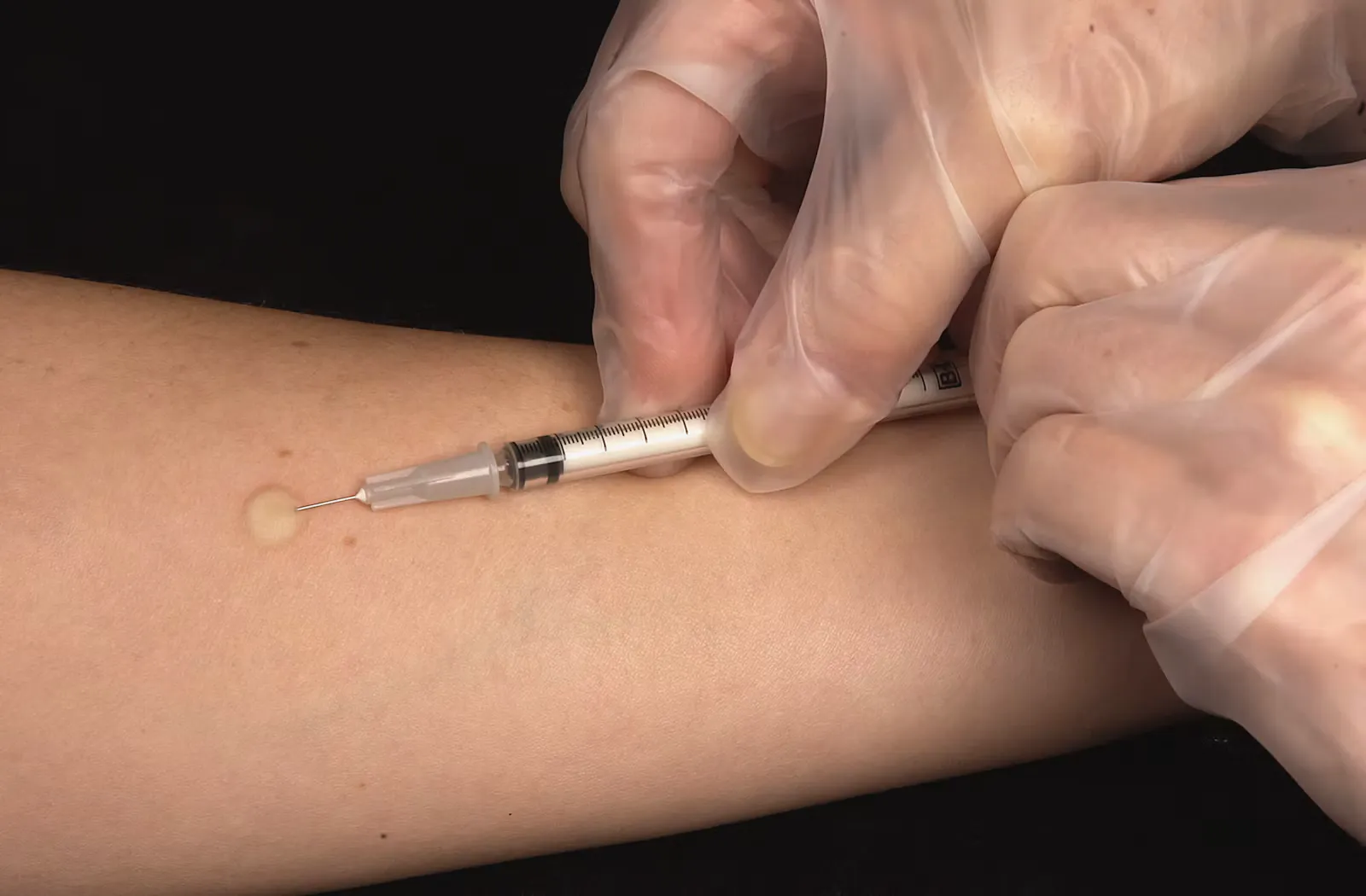
The dengue vaccine for travellers is Qdenga, a tetravalent live attenuated vaccine against all four dengue virus serotypes. The UK Green Book says it is given as a 0.5 mL dose under the skin at 0 and 3 months, and that the need for a booster has not been established. Other dengue vaccines, Dengvaxia and Butantan-DV, exist in some countries.
Tetravalent means it targets four types of the virus at once. That matters because dengue is unusual: one infection gives you lasting immunity to that serotype only, and a second infection with a different serotype carries a higher risk of severe dengue. The vaccine was built around that problem.
How well does it work? In the trial cited by the Green Book, two doses given to people who had already had dengue showed 86% efficacy against hospitalised dengue and 65% against virologically confirmed dengue. Those are the figures for people with a past infection, which is exactly why official advice centres on that group.
Source: UK Health Security Agency, Immunisation against infectious disease (the Green Book), dengue chapter, September 2026, citing the TAK-003 trial (Rivera et al.).
Ready for your adventure abroad?
Secure your spot for your internship abroad now.
Do you need the dengue vaccine for a medical elective?
Usually not, unless you have had dengue before. No entry rule at our four destinations asks for a dengue vaccine, and our destination pages list it as recommended but optional, advisable only after a previous dengue infection. If you have never had dengue, bite avoidance is your main protection, and the dengue vaccine is a case-by-case decision.
So the real question is not "is it required?" but "does it suit me?". Three groups should take the conversation with a travel clinic seriously:
You have had confirmed dengue before. A second infection with another serotype carries the higher risk of severe disease, and this is the group the vaccine was recommended for first.
You grew up or lived for years in a dengue area. The Green Book says long residence in an endemic setting makes a past, possibly silent infection more likely. Up to 80% of dengue infections cause no symptoms.
You are planning a long stay or several trips. The Green Book notes that long periods in endemic areas raise the risk, though short visits carry some risk too.
If none of that fits you, you're in the large group for whom the dengue vaccine is not usually the first step. Our guide to vaccinations for a medical elective abroad covers the jabs that are required for taking part.
How big is the dengue risk at our four destinations?
Real, but it varies by place and season. TravelHealthPro says there is a risk of dengue in Sri Lanka, Indonesia, Nepal and Tanzania, and the ECDC's November 2026 update shows active transmission in 2026. Severe dengue is rare in travellers, according to TravelHealthPro, but every one of our destinations sits in a dengue area.
Destination
Dengue risk (TravelHealthPro)
Latest figure in the ECDC update of 5 November 2026
Dengue vaccination on our destination page
Sri Lanka
Risk of dengue in the country
1,156 suspected cases in week 37 of 2026, 90% more than the same week of 2025
Optional, only advisable after a previous dengue infection
Bali (Indonesia)
Risk of dengue in the country
Indonesia, January to September 2026: 97,460 cases and 254 deaths (national figure, not Bali only)
Optional, only advisable after a previous dengue infection
Nepal
Risk of dengue in the country
1,908 cases reported in September 2026 alone
Optional, only advisable after a previous dengue infection
Zanzibar (Tanzania)
Risk of dengue in the country
No Tanzania figure in the ECDC Africa summary
Optional, only advisable after a previous dengue infection
For context, the ECDC counts over 2.5 million dengue cases and over 1,000 dengue deaths worldwide from January to October 2026, fewer than in the same period of 2025. The WHO's fact sheet says about half of the world's population is now at risk. If Sri Lanka is your destination, our dengue guide for an elective in Sri Lanka explains the monsoon peaks and what to do if you get a fever.
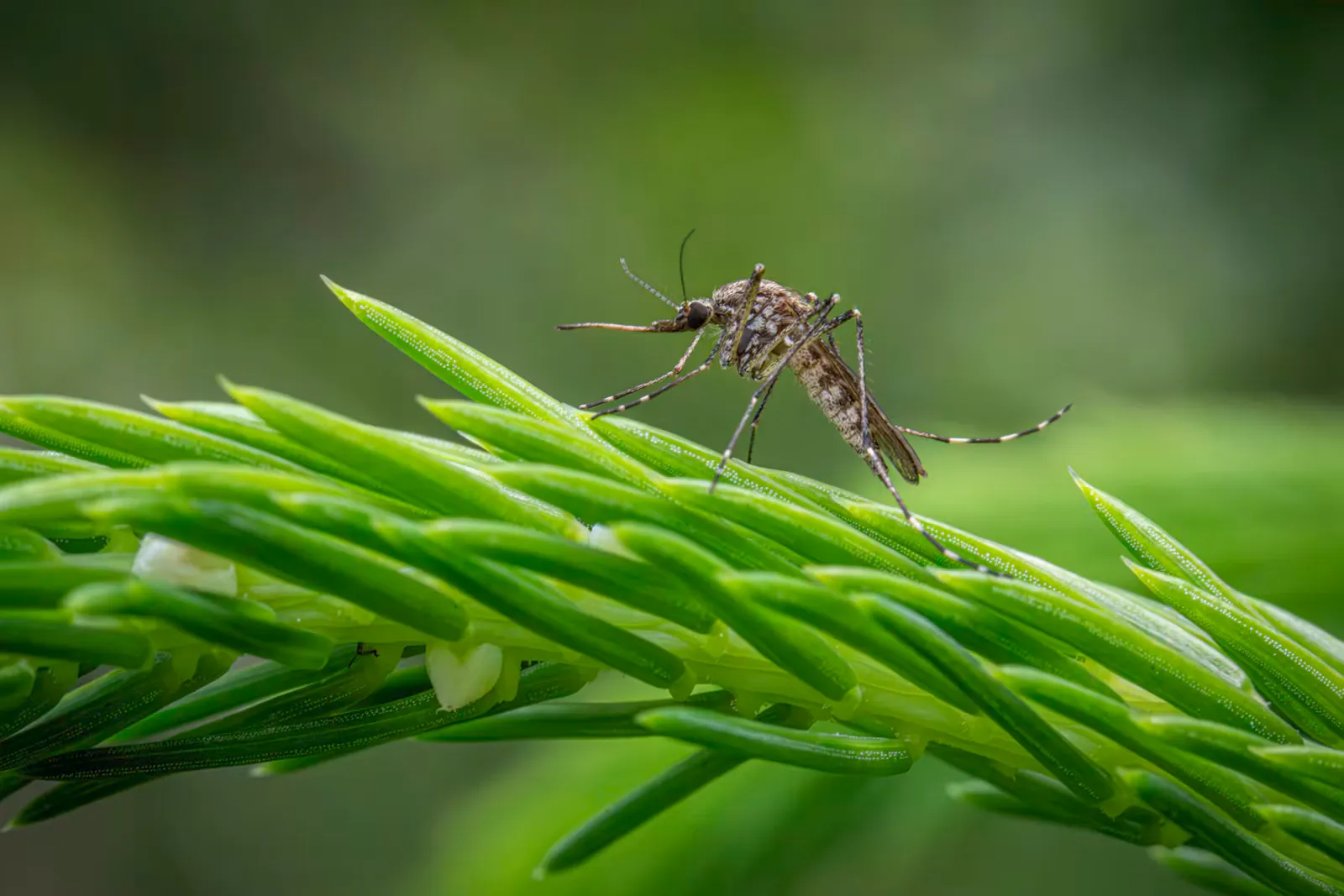
Dengue is spread by Aedes mosquitoes that bite mainly during the day, so your ward hours are bite hours too.
Why do the rules differ between countries?
Because a licence and a recommendation are two different things. The EMA licence allows Qdenga from age 4 "in accordance with official recommendations", and each country writes its own. The WHO recommends the dengue vaccine only for children aged 6 to 16 in high transmission settings, a public health programme, not travel advice.
That's why two students on the same ward can get different answers at home. A traveller from one country may be told the dengue vaccine is fine without a blood test, while another hears it is only for people with a past infection. Neither clinic is wrong. They follow different national committees.
For you, the practical rule is simple: ask the travel health service of the country where you get vaccinated, and bring your own history. We can't decide this for you, and neither should a blog. What we can do is make sure you walk in with the right questions.
What changed in the UK guidance in September 2026?
The tone softened, but the core stayed. The UKHSA's Green Book dengue chapter, updated on 14 September 2026, still says Qdenga is usually recommended for people with a previous dengue infection. For people without one, vaccination may be considered after a discussion with a travel health clinician experienced in weighing its risks and benefits.
Earlier UK advice, from March 2024, said the dengue vaccine could not be advised for seronegative travellers, meaning people with no evidence of a past infection. The reason for caution is still in the new chapter: a theoretical risk of severe dengue if a seronegative person is vaccinated and later infected with serotype 3 or 4, where data remain limited.
The chapter also gives a scale figure. Takeda told the UKHSA that more than 32 million doses had been distributed worldwide by July 2026, and no signal of severe dengue after vaccinating seronegative people had emerged at the time of writing. That is reassuring, but it is not the same as a recommendation for everyone.
Secure Information Material
Request all the important info for free, no obligation.
Anyone the live vaccine could harm. The Green Book says Qdenga must not be given to children under 4, pregnant or breastfeeding women, people with a weakened immune system from disease or treatment, or anyone with anaphylaxis to a previous dose or to a vaccine component. Women should avoid pregnancy for at least one month after vaccination.
Two more points are easy to miss for medical students:
Recent dengue means wait. After a laboratory confirmed infection, the Green Book suggests delaying the dengue vaccine by about a year, because of short-lived cross protection.
Your other travel jabs can blur the blood test. Yellow fever, Japanese encephalitis and tick-borne encephalitis vaccines can cause false positive dengue IgG results. If you had the Japanese encephalitis vaccine or the yellow fever vaccine, tell the clinic before any test.
The side effects listed in the Green Book are mostly mild: pain and redness at the injection site, headache, muscle aches, tiredness and fever, usually within 2 days and lasting 1 to 3 days.
Dengue vaccine timing: fitting 2 doses into your elective plan
Start early. Qdenga is given at 0 and 3 months, so a full course takes three months from the first appointment. If a past infection needs checking first, add time for the blood test. The Green Book says Qdenga can be given alongside yellow fever and hepatitis A vaccines, and with inactivated, sub-unit or mRNA vaccines.
There are no co-administration data with other live vaccines such as MMR, so mention any planned MMR dose to your clinic. Our medical elective application timeline shows where a three-month vaccine window fits in the months before you fly.
What about cost? The NHS says that if you need the dengue vaccine you'll have to pay for it privately, and TravelHealthPro adds that UK tests for a previous dengue infection are usually private and charged too. Outside the UK, prices and funding differ, so ask your own clinic, medical school or insurer.
Your dengue vaccine decision in 6 steps
Write down your dengue history. Note any confirmed dengue, any unexplained fever after tropical travel, and the years you lived in a dengue area.
Collect your test results. A past PCR or antigen result is the strongest proof of previous infection, according to the Green Book. Bring it if you have it.
List your other vaccines. Yellow fever, Japanese encephalitis and tick-borne encephalitis vaccines matter for interpreting a dengue blood test.
Book a travel health appointment at least three months before departure. Ask the clinician which national guidance they follow and whether the dengue vaccine suits you.
If you go ahead, put both dates in your calendar. The second dose is due three months after the first.
Pack your bite protection anyway. Repellent, long sleeves and a net are needed with or without the dengue vaccine.
How else do you protect yourself on placement?
Bite avoidance, every day. TravelHealthPro says the mosquitoes that spread dengue mainly bite during daytime hours and are more common in towns and cities. The WHO adds that there is no specific treatment, and that ibuprofen and aspirin should be avoided because they raise bleeding risk. Paracetamol is the usual choice for pain.
On the ward, there's one more angle. The Green Book mentions rare cases of dengue transmission through needlestick injuries, so the usual sharps routine protects you here too. Our guide to a needlestick injury on a medical elective walks through what to do if it happens, and medical elective insurance explains the cover you want if you get ill abroad.
Planning a placement in Sri Lanka, Bali, Nepal or Zanzibar? We place medical, nursing and physician assistant students in all four destinations for clinical electives, final-year placements, nursing placements and observerships, and we go through your vaccination status with you during preparation. Book a free consultation, compare our destinations or read about our clinical placements abroad and nursing placements abroad.
UK Health Security Agency. Immunisation against infectious disease (the Green Book), dengue chapter, September 2026 (vaccine, schedule, efficacy, recommendations, contraindications, co-administration, serology, needlestick transmission, doses distributed): travelhealthpro.org.uk (PDF); GOV.UK publication page, last updated 14 September 2026: gov.uk (accessed 17 November 2026).
TravelHealthPro (UK National Travel Health Network and Centre). Dengue, last updated 16 September 2026: travelhealthpro.org.uk; Qdenga dengue vaccine guidance, 21 March 2024: travelhealthpro.org.uk (accessed 17 November 2026).
European Medicines Agency. Qdenga, EPAR, marketing authorisation 5 December 2022, page last updated 4 September 2026: ema.europa.eu (accessed 17 November 2026).
World Health Organization. Dengue and severe dengue, fact sheet, 21 August 2025: who.int (accessed 17 November 2026).
European Centre for Disease Prevention and Control. Dengue, multi-country (world), monthly update of 5 November 2026 (global totals; Sri Lanka, Nepal and Indonesia figures from WHO regional bulletins): ecdc.europa.eu (accessed 17 November 2026).
NHS. Dengue, page last reviewed 13 August 2026: nhs.uk (accessed 17 November 2026).
travel4med. Destination pages with vaccination FAQs: Sri Lanka, Bali, Nepal, Zanzibar (accessed 17 November 2026).