Is Bali Safe for a Medical Elective? 2026 Student Guide
Celina KöhslMedical student, member of the travel4med team
10. November 2026
17 minutes
Is Bali Safe for a Medical Elective? 2026 Student Guide
Is Bali safe for a medical elective? Yes, for most students who prepare well. Bali is an Indonesian island that official travel advice treats as open to visitors: the UK government's Indonesia travel advice, still current on 9 November 2026, does not advise against travel to any part of the country. The real risks on a placement in Bali are everyday ones: scooters, bag snatching, spiked drinks, strict drug laws, mosquitoes and stray dogs.
Researched and editorially reviewed by Nils-Andre Stritt, travel4med. Nils-Andre organises our destinations and placements and talks students through their plans before they book.
Key Takeaways
Official advice is open. The UK government's Indonesia advice, updated 18 September 2026, no longer advises against all travel to volcanoes and does not advise against travel to Bali.
Scooters are the biggest physical risk. The UK government reports a large increase in moped and motorbike accidents in Bali, some of them fatal. Wear a good helmet or skip riding.
Watch your drink and your bag. Drink spiking, bag snatching and scams at tattoo parlours, nail salons and spas are all reported in Bali.
Drug laws are extreme. Penalties include long prison sentences or the death penalty, and CBD products are illegal.
Mosquitoes matter. The CDC issued a Zika notice for Bali on 7 August 2026. Dengue is a risk too, but there's no malaria in Bali's resort areas.
Numbers to save. Police 110, ambulance 118, fire 112.
Is Bali safe for international students right now?
Yes. Bali is safe for international students in November 2026 if you take normal precautions. The UK government's Indonesia travel advice was last updated on 18 September 2026 and was still current on 9 November 2026. Its latest change removed the old advice against all travel to volcanoes, and it doesn't advise against travel to Bali.
For a placement student, the picture is calmer than the headlines. You'll spend your weekdays on the wards of RSU Bangli Hospital, a teaching hospital affiliated with Udayana University, and live with other interns in our accommodation. The things worth preparing for are a snatched bag, a scooter crash, a spiked drink, a mosquito bite or a bad stomach.
So is Bali safe in every situation? No place is. The better question isn't only "is Bali safe?" but "which risks apply to me on a placement in Bali, and what do I do about each one?" This guide answers that, with an official source for every point.
A note on sources: we quote the UK Foreign, Commonwealth and Development Office (FCDO) because its advice is detailed and public. If you hold another passport, read your own government's advisory for Indonesia too, register with your embassy if it offers that, and follow its alerts during your stay.
Ready for your adventure abroad?
Secure your spot for your internship abroad now.
What does official travel advice say about Bali?
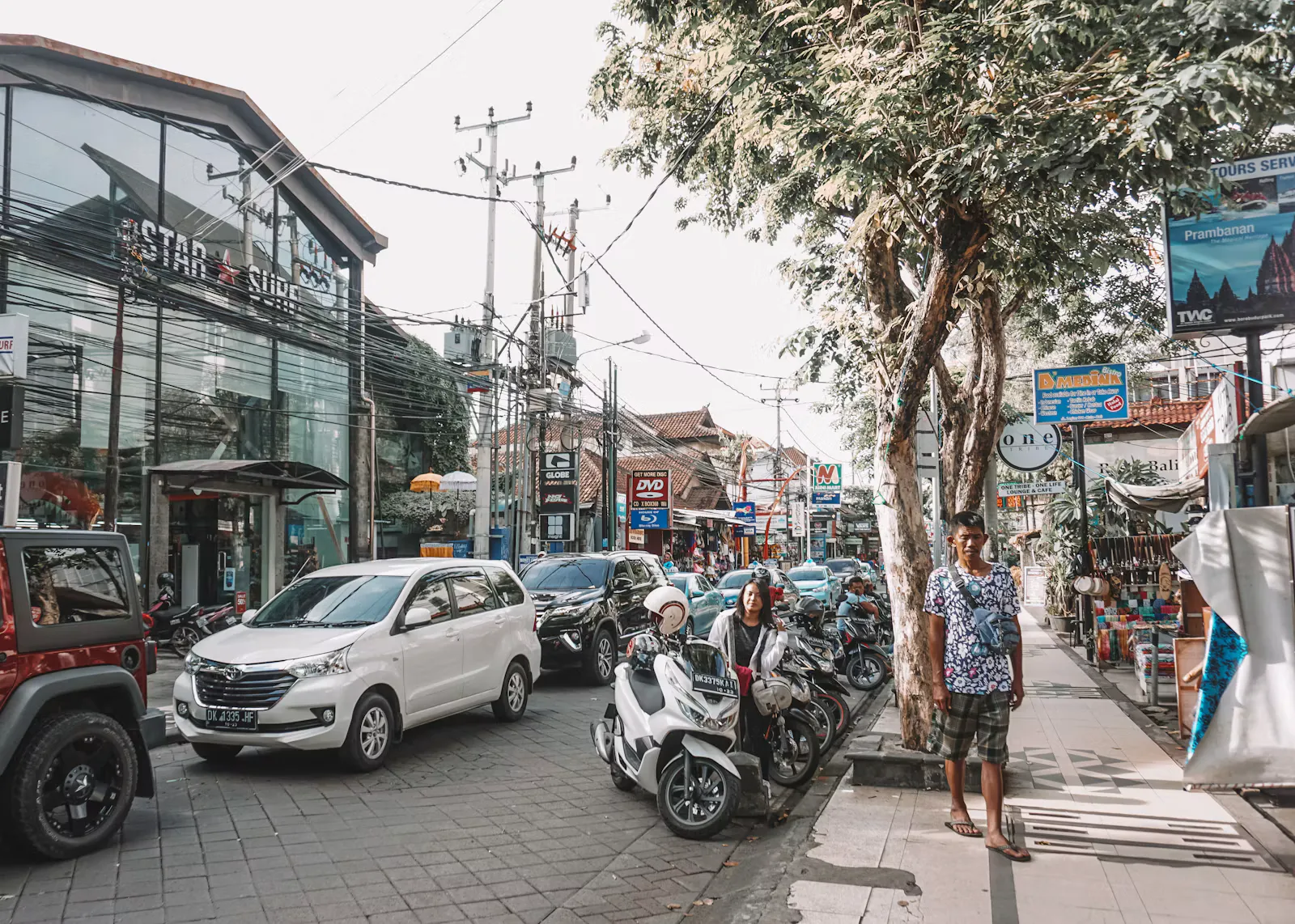
Official advice treats Bali as open to visitors, with caution about crime, drugs and nature. The FCDO calls the political situation in Indonesia stable, but says the threat from Islamist extremism remains high and lists beach resorts, hotels, bars and tourist attractions among possible targets. It names Bali directly for sexual assault, drink spiking, bag snatching, scams, drug raids and scooter accidents.
Here is what the advice covers, in plain words:
Terrorism. The FCDO says terrorists are likely to try to carry out attacks in Indonesia, and the risk is higher around Christmas, New Year, Easter and Nyepi, the Balinese New Year.
Protests. Avoid all protests, demonstrations and student and political rallies, because they can turn violent without warning.
Volcanoes. Indonesia has many active volcanoes that can erupt without warning, and exclusion zones can change at short notice. Follow local authorities.
Insurance. The FCDO warns that medical evacuation from Indonesia can cost tens of thousands of pounds.
So is Bali safe according to official advice? Yes, with caution. None of this is a reason to cancel a placement. It's a reason to read the advice once before you book, sign up for alerts and check again in the week before you fly.
How common is crime against visitors in Bali?
Is Bali safe from crime? Mostly, because crime against visitors in Bali is mostly theft and scams. The FCDO says there are often reports of bag snatching in Bali, and it has seen a rise in scams at tattoo parlours, nail salons and spas there. Violent crime against tourists is less common, but the FCDO advises staying alert at night and avoiding poorly lit areas.
What the official advice tells you to do:
Keep your bag out of sight and carry only what you need for the day.
Agree the price before any tattoo, nail or spa treatment starts.
Use registered taxi companies only. The FCDO names Bluebird, Silverbird and Express.
Be careful with spirits. The FCDO says methanol poisoning cases have come from drinks bought in licensed bars, shops and hotels in tourist areas, and even small amounts can kill.
Is Bali safe for your wallet, then? Yes, if you plan. Our Bali currency guide explains how much money to carry, which ATMs to use and how to pay without flashing a wallet. The Bali tourist tax guide covers the one payment every visitor has to make.
Is Bali safe for solo female travellers?
Bali is safe for most women travelling alone, but take care at night. The FCDO says reported cases of rape and sexual assault are high in Bali and Lombok, and that drink spiking linked to sexual assault has been reported in Bali, Lombok and the Gili Islands. Watch your drink being made and never accept one from a stranger.
So is Bali safe for a female nursing or medical student on placement? Yes, with planning. Go out in pairs or groups after dark, book rides through your accommodation or a registered taxi company, and leave a bar together. Living in a shared intern house helps here, because there's nearly always someone to come home with.
Feeling unsettled in a new culture is normal in the first week. Our guide to coping with homesickness abroad has practical tips our students actually use.
Which laws can get you into trouble in Bali?
Is Bali safe if you stay within the law? Yes, but drug laws are the ones that end placements. The FCDO says Indonesia has a zero tolerance policy: anyone caught may face long prison sentences or the death penalty. Cannabis products, including CBD, THC, hemp products and edibles, are illegal. Police often raid venues popular with foreigners, especially in Bali, and a positive drug test leads to arrest.
The other rules that matter on a placement:
The criminal code. The FCDO says penalties apply for cohabitation and sex outside marriage if certain members of either person's immediate family file a complaint.
Nyepi. On Nyepi, the Balinese day of silence, everyone in Bali stays indoors with lights off and no noise, and Ngurah Rai International Airport closes for the whole day. In 2026 it fell on 19 March. Hospitals and emergency services keep working.
Driving. The FCDO says you can't drive in Indonesia on a UK licence alone, only with an International Driving Permit. Check what your own licence allows before you rent anything.
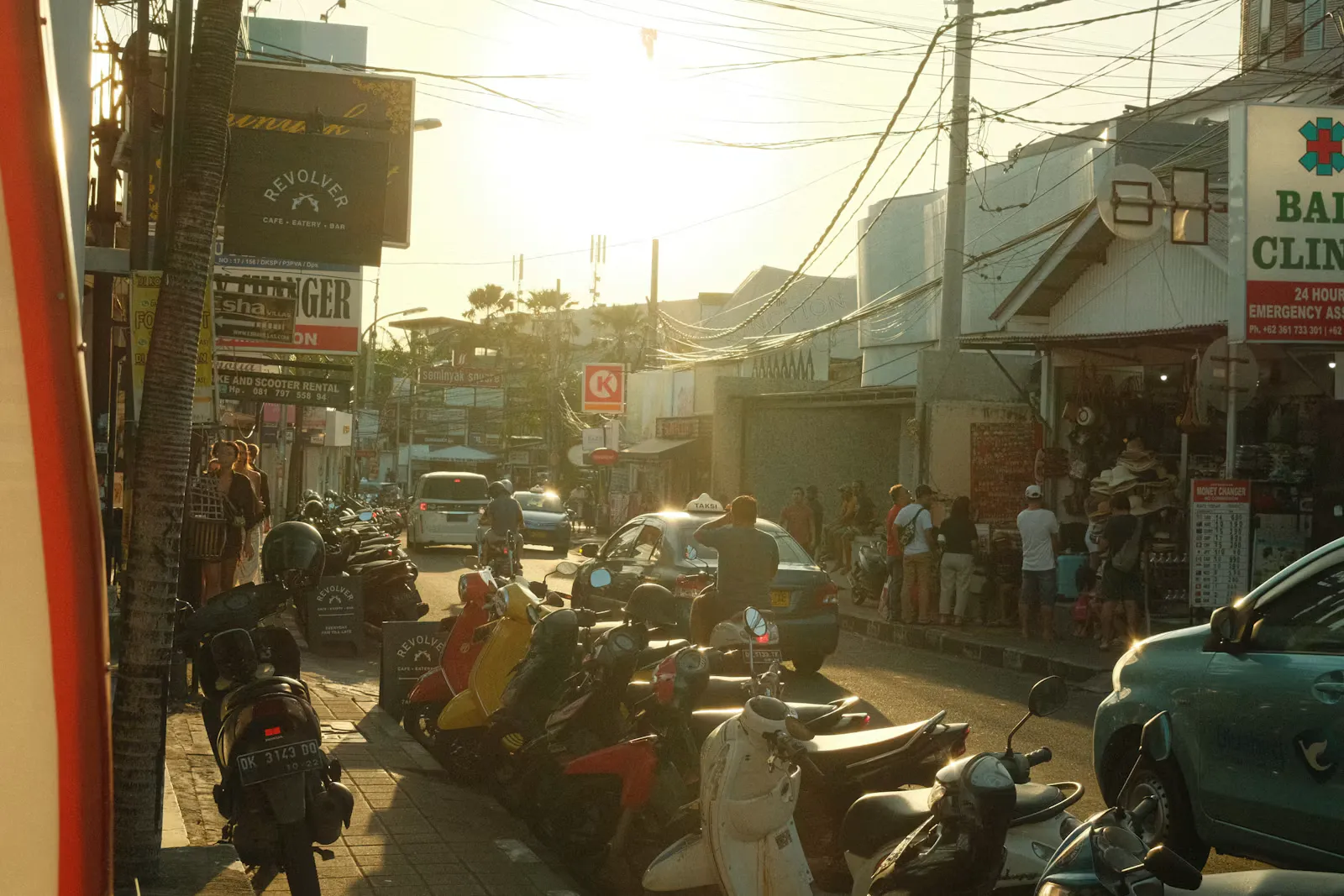
If you ask "is Bali safe on the roads?", the honest answer is: this is where most of the physical risk lies. The FCDO says traffic discipline is very poor and there has been a large increase in moped and motorbike accidents in Bali, some of them fatal. Across Indonesia, the WHO estimates 31,063 road traffic deaths in 2021, a rate of 11.3 per 100,000 people.
Officially reported and WHO estimated road traffic deaths in Indonesia in 2021. The figures are national, not figures for Bali. Source: World Health Organization, Global status report on road safety 2023, Indonesia country profile.
These are national numbers, not Bali's, but they show why two wheels dominate the risk: the same WHO profile counts 121,602,401 powered two and three wheelers among 147,110,303 registered vehicles in Indonesia. So is it safe to ride a scooter in Bali? Only if you're an experienced rider. Some practical rules our students follow:
If you ride at all, wear a helmet in good condition, as the FCDO advises, and never ride after drinking.
If you've never ridden a scooter at home, don't learn in Bali traffic. Book rides through your accommodation or use a registered taxi.
Check that your travel insurance covers scooter accidents before you get on one, as passenger or rider.
Expect trouble after even a minor accident. The FCDO warns foreigners in minor traffic incidents may be vulnerable to extortion.
Planning a weekend on the Gili Islands or Nusa Penida? The FCDO says boat safety standards vary and vessels are often poorly maintained, so pick an established operator and check the life jackets.
Is Bali safe during the rainy season, volcanoes and earthquakes?
Mostly yes, but nature is the risk you can't control. Is Bali safe in the wet months? The FCDO says the rainy season usually runs from October to March and that Bali can suffer severe localised flooding, with major traffic jams and power cuts. Earthquakes happen regularly in Indonesia, and after a big quake near the shore a tsunami could arrive within minutes.
What to do about it:
In the rainy season, leave extra time for the drive to the hospital and keep a charged power bank.
If you feel a strong quake near the coast, don't wait for a siren: move inland or to high ground straight away and follow local authorities.
Before any volcano hike, check the current exclusion zone with local authorities, because zones can change at short notice.
If ash falls and you have asthma or another lung condition, stay indoors and follow medical advice.
Which health risks matter most on a placement in Bali?
Is Bali safe for your health? Mostly, because mosquitoes, dogs, water and food matter more than malaria. The CDC (page reviewed 25 August 2026) reports no malaria transmission in the resort areas of Bali and recommends hepatitis A and typhoid for most travellers. Its Zika notice of 7 August 2026 says cases are being reported in travellers returning from Bali, so every visitor should prevent mosquito bites.
When students ask us "is Bali safe for my health?", we start with the basics:
Vaccines. The FCDO recommends checking vaccines at least 8 weeks before your trip. Read our vaccinations guide, and ask your clinic about the Japanese encephalitis vaccine, which the CDC recommends for stays of a month or more.
Mosquitoes. Dengue and Zika are both spread by mosquito bites. Use repellent day and night, and the CDC also advises preventing sexual transmission of Zika during and after travel. If you're pregnant or planning a pregnancy, talk to a travel clinic before you book.
Dogs and monkeys. The FCDO says there are many street dogs in Bali and monkeys around temples, and rabies exists in both. Get help straight away after any bite or scratch. Our guide to rabies on a medical elective explains pre-exposure vaccination.
Bali belly. Bali belly is the local name for travellers' diarrhoea. The FCDO says tap water is not safe to drink in Indonesia, so drink bottled or filtered water. Our travellers' diarrhoea guide covers prevention and what to pack.
On the ward. You'll handle needles and blood, so learn the protocol in our needlestick injury guide before day one.
Insurance is part of health safety here. The FCDO says good care in Indonesia can be expensive and evacuation can cost tens of thousands of pounds, so you need a policy that covers clinical work and repatriation. See our medical elective insurance guide.
Bali safety checklist in 8 steps
Is Bali safe for you personally? That depends a lot on your own preparation. Work through this list from booking to your last day. Each step names who does what, so you can tick it off instead of worrying about it.
Read your government's advisory. Open your own country's Indonesia travel advice when you book and sign up for its email or app alerts.
Sort entry and insurance. Apply for the right visa for your placement, then make sure your policy covers clinical work, scooter accidents and evacuation.
See a travel clinic. At least 8 weeks before departure, discuss hepatitis A, typhoid, rabies, Japanese encephalitis and mosquito protection.
Pack with the law in mind. Leave every CBD or cannabis product at home, and bring repellent, a power bank and a small first aid kit. Our packing list for a clinical internship abroad helps.
Save the numbers offline. Store 110, 118 and 112, your hospital contact, our team, your insurer and your embassy.
Plan your transport. Use registered taxis or rides booked through your accommodation, and only ride a scooter if you're experienced and wearing a good helmet.
Protect your nights out. Go in a group, watch your drink being made, avoid cheap spirits and agree prices before any spa or tattoo visit.
Share your plans. Tell a housemate or our team where you're going at weekends, especially for boat trips and volcano hikes, and when you'll be back.
Indonesia uses separate numbers for each service, and they work in Bali. Save these before you land.
Service
Number
Source
Police
110
FCDO, Getting help
Ambulance
118
FCDO, Getting help
Fire
112
FCDO, Getting help
FCDO in London (for family at home, 24 hours)
+44 20 7008 5000
FCDO, Getting help
Your hospital contact and the travel4med team
saved on arrival
travel4med
Is Bali safe when something goes wrong? Help is close: at RSU Bangli Hospital, the team will know the fastest route to emergency care, so ask them in your first week.
Your placement in Bali with travel4med
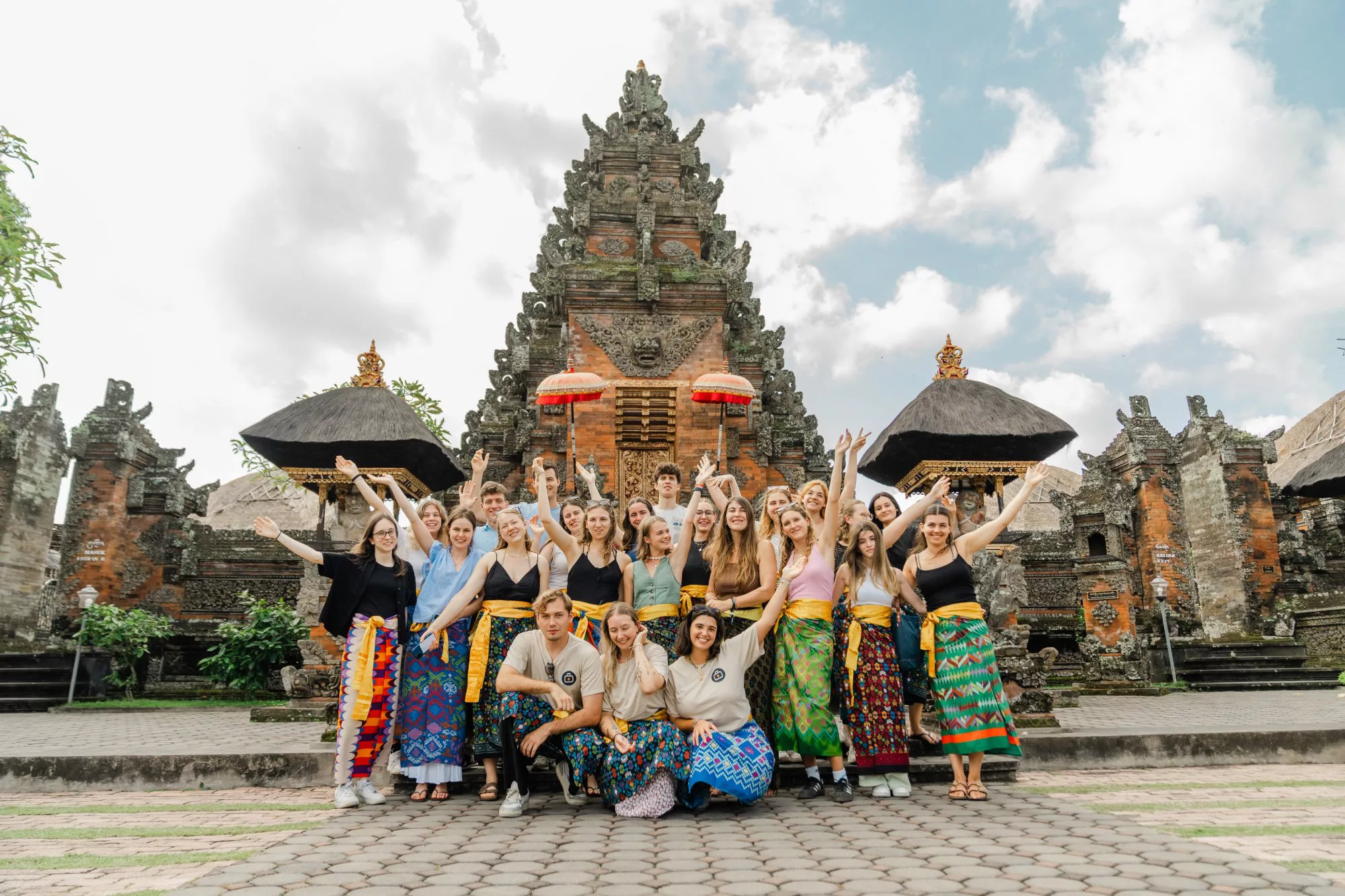
We place medical, nursing and physician assistant students and doctors at RSU Bangli Hospital in Bali, with programmes starting every Monday and prices from 1,720 EUR. You live with other interns in our accommodation, with three meals a day, a pool, laundry, WiFi and air conditioning. Read more on our Bali destination page, in our guide to a clinical clerkship in Bali and in our nursing in Bali guide. Comparing countries? Our guides is Sri Lanka safe, is Nepal safe and is Zanzibar safe answer the same question for our other destinations.
UK Foreign, Commonwealth and Development Office. Indonesia travel advice (updated 18 September 2026, still current at 9 November 2026; no longer advises against all travel to volcanoes): gov.uk (accessed 10 November 2026).
UK Foreign, Commonwealth and Development Office. Indonesia travel advice, Safety and security (terrorism, protests, sexual assault and drink spiking in Bali, bag snatching and scams in Bali, methanol, registered taxis, drug penalties and raids in Bali, criminal code, Nyepi on 19 March 2026, driving permit, scooter accidents in Bali, boats, rainy season October to March, flooding in Bali, earthquakes, tsunamis and volcanoes): gov.uk (accessed 10 November 2026).
UK Foreign, Commonwealth and Development Office. Indonesia travel advice, Health (vaccines at least 8 weeks ahead, rabies, street dogs and monkeys in Bali, dengue, tap water, ash plumes, medical evacuation costing tens of thousands of pounds): gov.uk (accessed 10 November 2026).
UK Foreign, Commonwealth and Development Office. Indonesia travel advice, Getting help (police 110, ambulance 118, fire 112; FCDO London 020 7008 5000): gov.uk (accessed 10 November 2026).
US Centers for Disease Control and Prevention. Travelers' health: Indonesia (page reviewed 25 August 2026; Zika notice of 7 August 2026 for Bali; no malaria in the resort areas of Bali; hepatitis A, typhoid, Japanese encephalitis, rabies): cdc.gov (accessed 10 November 2026).
World Health Organization. Road safety, Indonesia 2023 country profile (31,063 estimated and 25,266 reported road traffic deaths in 2021; 11.3 per 100,000; 147,110,303 registered vehicles, 121,602,401 powered two and three wheelers): who.int (PDF) (accessed 10 November 2026).
travel4med. Bali destination page (RSU Bangli Hospital, affiliated with Udayana University, Monday starts, accommodation, three meals, prices from 1,720 EUR): Bali (accessed 10 November 2026).