Nursing in Bali: A Placement Guide for Student Nurses
Celina KöhslMedical student, member of the travel4med team
21. October 2026
14 minutes
Nursing in Bali: A Placement Guide for Student Nurses
Nursing in Bali, for a student nurse, means a supervised clinical placement at a Balinese hospital that you complete as part of your nursing degree or on top of it. With travel4med, nursing in Bali takes place at RSU Bangli Hospital, an academic teaching hospital affiliated with Udayana University. Placements start on Mondays, prices start at 1,720 EUR, and enrolled students should book at least three months and one week ahead.
Researched and editorially reviewed by Celina Köhsl, medical student and member of the travel4med team. The health and clinical sections were reviewed by MUDr. Amandeep Grewal, a doctor on the travel4med team.
Key Takeaways
One teaching hospital. Nursing in Bali with us runs at RSU Bangli Hospital, which Udayana University's Faculty of Medicine lists among its 14 cooperating teaching hospitals.
Book early. Bali has an official paperwork deadline. If you are enrolled, it falls 3 months before arrival, so plan at least 3 months and one week ahead.
The visa is sponsor led. Indonesia's C22A academic internship visa is applied for by an Indonesian sponsor, allows up to 180 days per stay and forbids paid work.
Fewer nurses per patient. The World Bank counts 3.24 nurses and midwives per 1,000 people in Indonesia (2023), against 9.55 in the UK.
Prices start at 1,720 EUR. That covers shared housing with a pool, three meals a day, laundry, Wi-Fi and air conditioning. Flights, the visa, vaccines and insurance are extra.
What does nursing in Bali mean for a student nurse?
A nursing placement is time on a real ward that counts toward your nursing education, or that you add to gain experience. Nursing in Bali is that block done at a hospital on the Indonesian island. Your school might call it a clinical placement, a nursing elective or an international placement. The idea stays the same: you join a nursing team, follow its routine and see how care works in a health system unlike your own.
Here's the part many students skip. Your own school decides whether nursing in Bali counts, how long it must be and which forms you bring home. The host hospital doesn't decide that, and neither do we. So talk to your placement or clinical office before you pick dates. Our nursing internship abroad planning guide lists the questions to ask.
Not a nursing student? If you study medicine, our overview of medical electives in Asia compares Bali with Sri Lanka and Nepal from a medical student's point of view. This post is written for student nurses.
Ready for your adventure abroad?
Secure your spot for your internship abroad now.
Why do student nurses choose Bali?
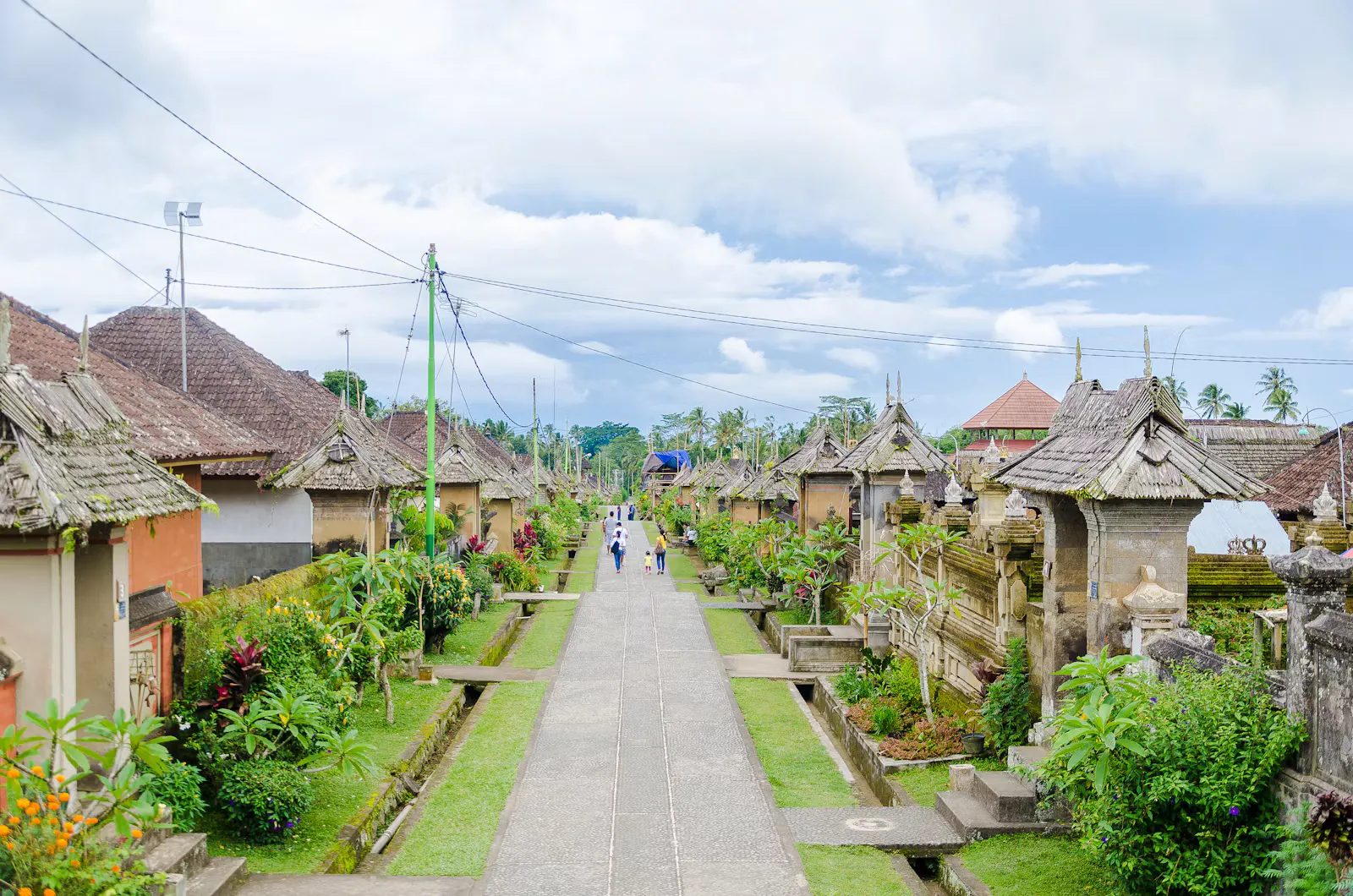
Most students give three reasons. The first is the hospital: a university teaching hospital where you see everyday care for local patients, not a clinic built for visitors. The second is the island itself, with rice terraces, temples and volcano hikes for your free weekends. The third reason is bigger than one hospital. Nursing looks different when there are fewer nurses for each patient.
The World Bank puts a number on that gap. In its data for nurses and midwives per 1,000 people, Indonesia records 3.24 (2023). The United Kingdom records 9.55 (2023), the United States 13.38 (2022) and Australia 13.45 (2022). These are national figures that count nurses and midwives together, so they say nothing about one ward in Bangli. They do explain why teamwork and clear handovers matter so much on an Indonesian ward.
Nurses and midwives per 1,000 people in Indonesia, the UK, the US and Australia, latest year in World Bank data (indicator SH.MED.NUMW.P3, last updated 8 October 2026). National figures, not figures for Bali or one hospital.
The global picture points the same way. WHO's nursing fact sheet of 11 August 2026 counts an estimated 29.8 million nurses worldwide in 2023 and a global shortage of 5.8 million. It adds that around 78% of the world's nurses work in countries with only 49% of the world's population.
That lesson comes with a limit. A busy ward is never a reason to do more than you are trained and allowed to do. Our guide to an ethical medical elective abroad explains how to be useful while staying inside your competence, and it applies to student nurses too.
Where does nursing in Bali take place?
Your placement is at RSU Bangli Hospital in Bangli, Bali. Our Bali page describes it as an academic teaching hospital affiliated with Udayana University, and the university's own Faculty of Medicine lists "Bangli Hospital" among the 14 hospitals it collaborates with. That affiliation is what schools tend to look at when they assess a placement.
What you get
Details from our Bali page (read 21 October 2026)
Hospital
RSU Bangli Hospital, an academic teaching hospital affiliated with Udayana University
Departments listed
Neurosurgery, trauma surgery and orthopaedics, general and visceral surgery, vascular and transplant surgery, plastic surgery, gynaecology, nephrology, paediatric cardiology, psychiatry and more
Start dates
Always on a Monday
Housing
Shared travel4med accommodation with the other interns: pool, laundry service, three meals a day, Wi-Fi, yoga and air conditioning
Paperwork
Complete documents within 2 weeks of booking; your place is confirmed once your acceptance letter and visa are available
Support
A personal contact for a free consultation before you book, and our team for the formalities afterwards
Which department you join is agreed with you before you travel and then with the hospital. Tell us early if your school needs a specific area, for example surgical or women's health nursing. The full destination page is Bali, Indonesia, and the format itself is described on our nursing placement abroad page.
What do student nurses do on the ward?
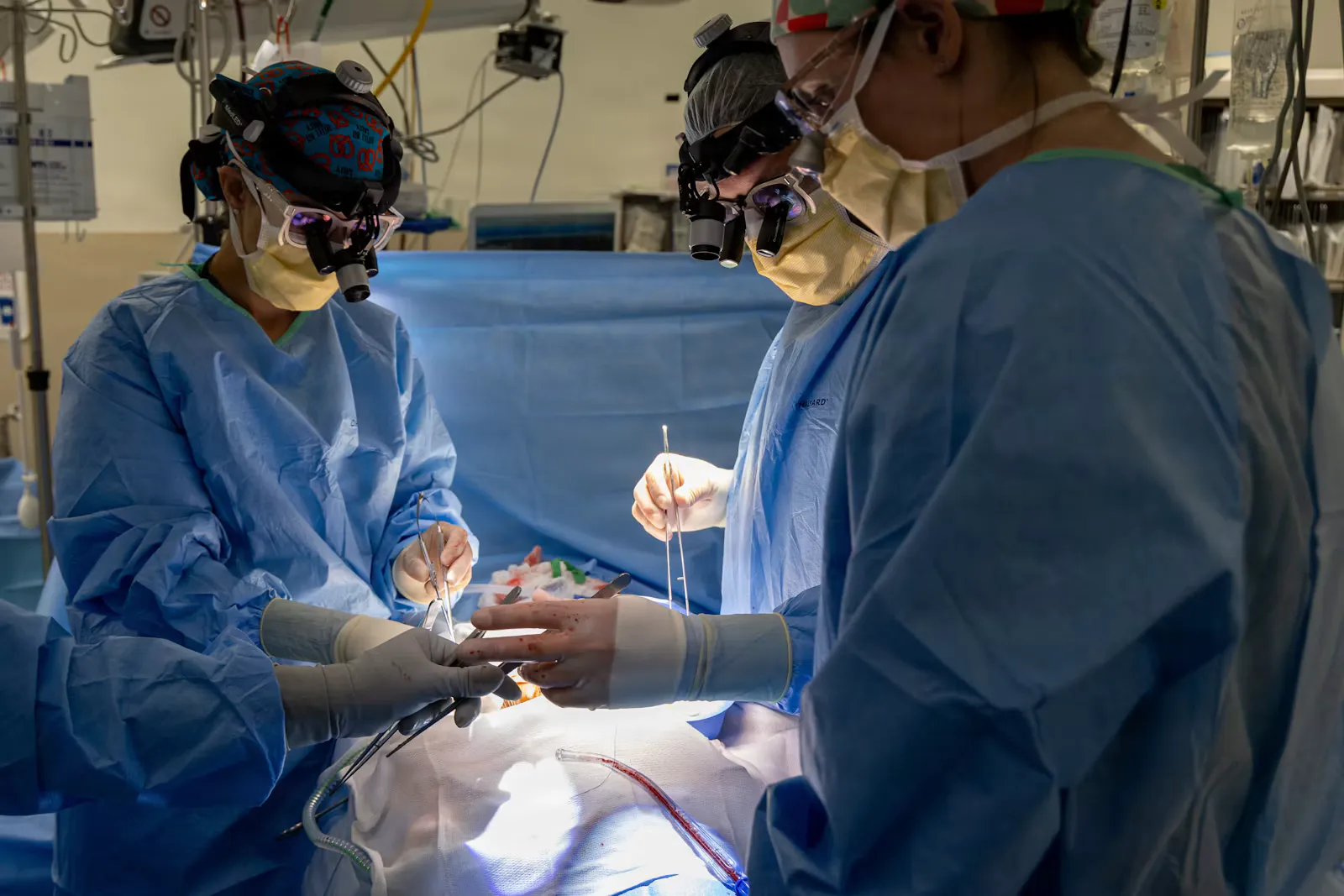
When you go nursing in Bali, you become part of the daily routine of a ward, under the supervision of qualified staff. What you may do depends on two things: your year of training and your own school's rules. A first-year student will mostly observe and help with basic care. A final-year student can usually take on more, but only what their school allows and their supervisor agrees to.
In practice that often means handover, observations, helping patients with mobility and hygiene, watching wound care and medication rounds, and asking a lot of questions. How you are registered matters too. Our Bali page says medical students are registered as elective students and premedical students as observers. Ask us in your consultation how your status as a nursing student is set out in the acceptance letter, so your school gets exactly what it expects.
Language is part of the job. Many patients won't speak English, and even a few words help. Learn greetings, "pain", "water" and "thank you" in Bahasa Indonesia before you go. Our post on language barriers on a clinical internship abroad has practical tips, and a short learning plan helps your supervisor help you. Our guide to elective learning objectives shows how to write one.
Which visa do you need for nursing in Bali?
You need an entry permit for Indonesia, and the right one depends on the purpose of your stay, not only its length. Indonesia's Directorate General of Immigration lists the C22A visa for internships at an educational institution, a company or another place that meet the academic requirements of an education abroad (our summary of the Indonesian text). A hospital placement that your school requires fits that description, which is why sightseeing rules are the wrong starting point.
C22A academic internship visa
What the immigration page states (read 21 October 2026)
Who applies
An Indonesian sponsor with an account on evisa.imigrasi.go.id, not you
Stay
Single entry, first stay up to 180 days from arrival; extensions of 180 days each, total no more than 12 months
Fees (PNBP)
60 day stay Rp 3,000,000; 180 day stay Rp 4,000,000
Documents
Application and sponsor statement, passport valid at least 6 months, last 3 months of bank statements, recent colour photo, internship agreement or letter from the host
Validity
The visa must be used within 90 days of issue
Processing
Five working days after payment is received
Work
No selling goods or services and no wages or payment from anyone in Indonesia
You won't have to work this out alone. Our team goes through the formalities with you after booking and sends a step by step guide that tells you what you need and when. German speaking readers will find the same C22A route explained in our sister site's German guide to visas for Bali and Zanzibar. Check your cover as well: a clinical placement needs more than standard travel insurance, and our medical elective insurance guide explains what to look for.
Secure Information Material
Request all the important info for free, no obligation.
In Bali, timing can catch you out. Our Bali page explains that an official deadline applies, so the paperwork has to be complete earlier than elsewhere. If you are currently enrolled, as almost every student nurse is, that deadline falls 3 months before arrival. Book at least 3 months and one week ahead so we can process everything in time.
If you come before or after your degree, the deadline is one month, so about one month and one week is enough. The booking calendar only shows dates that are still feasible, which means you can't accidentally pick one that is too late. Our guide to the best time for a medical elective abroad helps you weigh seasons and term dates.
How should you prepare your health?
Start your health planning for nursing in Bali early, ideally six to eight weeks before you fly, because some vaccine courses need several doses. Our Bali page sets the rules for taking part. Required: hepatitis A, hepatitis B, measles, mumps and rubella, plus tetanus, diphtheria, polio and pertussis. Recommended but optional: rabies prophylaxis, typhoid, Japanese encephalitis and dengue, with dengue vaccination only advisable if you have already had dengue.
The CDC's Indonesia page (last reviewed 25 August 2026) recommends hepatitis A and hepatitis B for unvaccinated travellers, typhoid for most travellers and measles vaccination for all international travellers. It reports no malaria transmission in the resort areas of Bali or in Ubud, and it warns that dogs infected with rabies are commonly found in Indonesia. Your own doctor or a travel medicine service decides what is right for you and your exact route.
Nursing in Bali with us starts from 1,720 EUR (read on our destination page on 21 October 2026). That price includes the shared accommodation with pool, three meals a day, laundry, Wi-Fi, yoga and air conditioning. The final price depends on how long you stay, so ask us for the exact figure for your dates.
Budget separately for flights, the visa, vaccines, insurance and spending money. We quote in euros; your own currency and local costs will differ. Our budget guide for a clinical placement abroad helps you build a full plan.
How does Bali compare with our other destinations? Here are the starting prices on our destination pages on 21 October 2026.
Check your school's rules. Ask your placement office about the minimum length, the paperwork and whether nursing in Bali counts toward your hours.
Pick your goal and dates. Decide what you want to learn, then choose a Monday start at least 3 months and one week away.
Talk to us. Book a free consultation to confirm the department, your dates, your registration status and the exact price.
Send your documents within 2 weeks. Ask your school for the letter or forms it needs, and ask a tutor for a reference. Our guide to a reference letter for a placement abroad shows what to include.
Follow the visa steps. Your sponsor applies for the C22A visa; you supply your passport details, photo and bank statements on time.
See a travel clinic early. Get the required vaccines and talk through rabies, typhoid and your sharps injury plan.
Pack for the ward and the heat. Bring your uniform rules, a pocket notebook and modest clothes for temple visits. Our packing list for a clinical internship abroad has the details.
Ready to plan nursing in Bali? We organise nursing placements, clinical placements, medical electives, final-year placements, physician assistant placements and observerships at RSU Bangli Hospital in Bali, and the same formats in Sri Lanka, Nepal and Zanzibar, with housing, meals and local support. Book a free consultation or compare all destinations. travel4med is part of the futuredoctor group ecosystem, which supports students from application to graduation.
travel4med. Bali destination page: hospital, departments, registration, booking deadlines, accommodation, vaccination requirements, starting prices for all four destinations: travel4med.com/destinations/bali (accessed 21 October 2026).
Faculty of Medicine, Udayana University. Teaching hospital page (14 cooperating hospitals, including Bangli Hospital): fk.unud.ac.id (accessed 21 October 2026).
Directorate General of Immigration, Republic of Indonesia. C22A Visa Kunjungan Pemagangan Akademik: imigrasi.go.id (accessed 21 October 2026).
World Bank. Nurses and midwives (per 1,000 people), indicator SH.MED.NUMW.P3, last updated 8 October 2026: data.worldbank.org (accessed 21 October 2026).
World Health Organization. Nursing and midwifery fact sheet, 11 August 2026: who.int (accessed 21 October 2026).
Centers for Disease Control and Prevention. Travelers' health, Indonesia, last reviewed 25 August 2026: wwwnc.cdc.gov (accessed 21 October 2026).