Japanese Encephalitis Vaccine for a Medical Elective
The Japanese encephalitis vaccine is an inactivated vaccine, usually two doses, that protects you against Japanese encephalitis, a mosquito-borne viral infection of the brain found in parts of Asia and the Western Pacific. For a medical elective in Nepal, Sri Lanka or Bali, it is not mandatory, but it is worth discussing: the disease occurs in all three countries, and placements of a month or more count as a reason to consider the Japanese encephalitis vaccine.
Researched and editorially reviewed by Nils-Andre Stritt, travel4med. The medical content was reviewed by MUDr. Amandeep Grewal, a doctor on the travel4med team.
Key Takeaways
Not an entry requirement. No destination we place students in asks for proof of the Japanese encephalitis vaccine at the border. Our pages for Nepal, Sri Lanka and Bali list it as recommended but optional.
Length of stay matters. TravelHealthPro, the UK's national travel health service, says vaccination can be considered for stays of one month or more in a risk area during the transmission season.
Two doses, then wait a week. In the UK the IXIARO course is day 0 and day 28, or day 0 and day 7 for adults aged 18 to 65, finished at least one week before possible exposure.
Rare but serious. The WHO says about 1 in 250 infections causes severe illness, and the case fatality rate among those with encephalitis can reach 30%.
Zanzibar is different. Japanese encephalitis is an Asian and Western Pacific disease, and our Zanzibar page does not list the vaccine.
What is the Japanese encephalitis vaccine?
The Japanese encephalitis vaccine is a preventive vaccine against the Japanese encephalitis virus, a flavivirus related to dengue, yellow fever and West Nile virus. The WHO estimates about 100,000 clinical cases and about 25,000 deaths worldwide each year, and says 24 countries in its South-East Asia and Western Pacific Regions have endemic transmission.
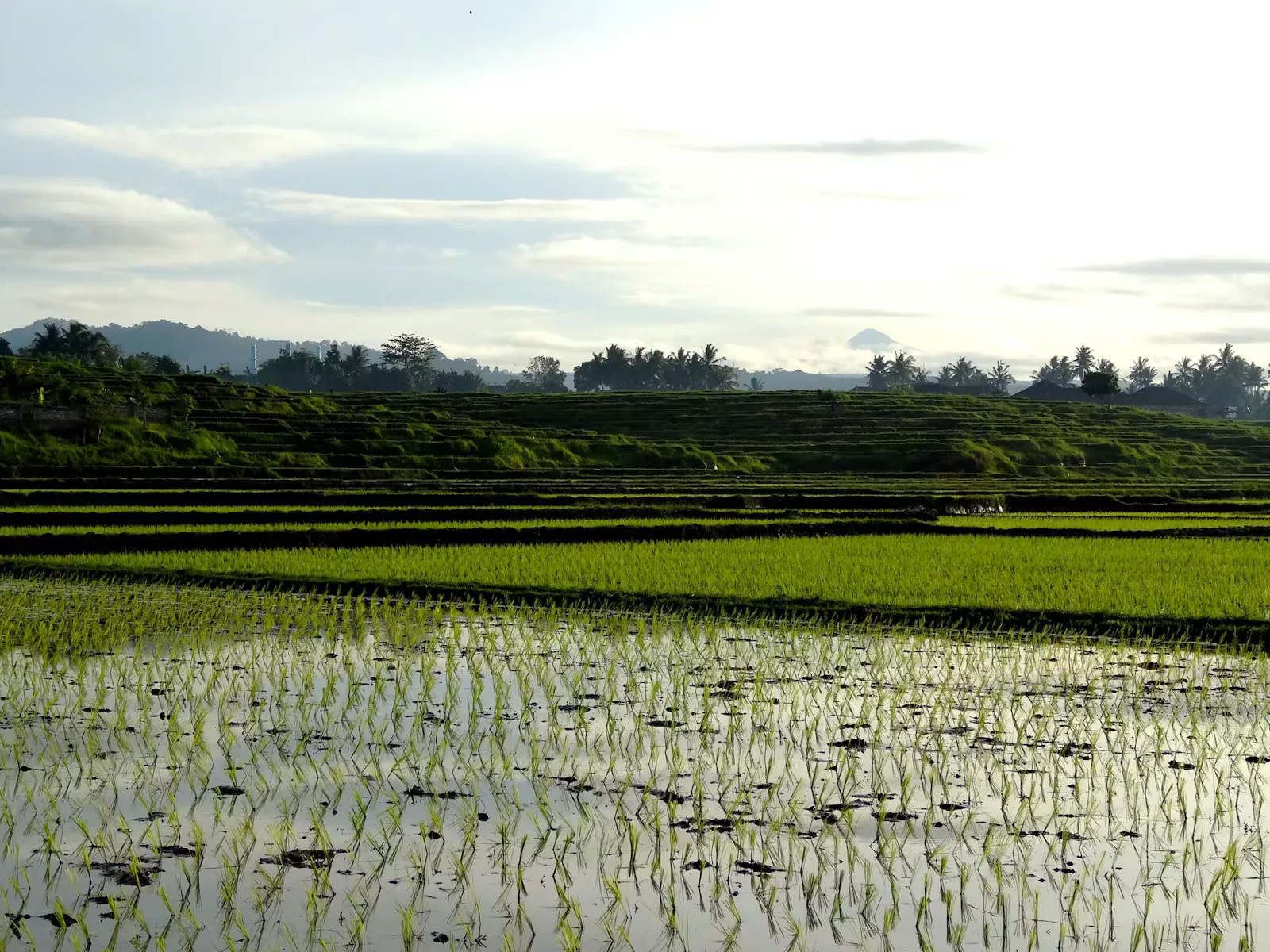
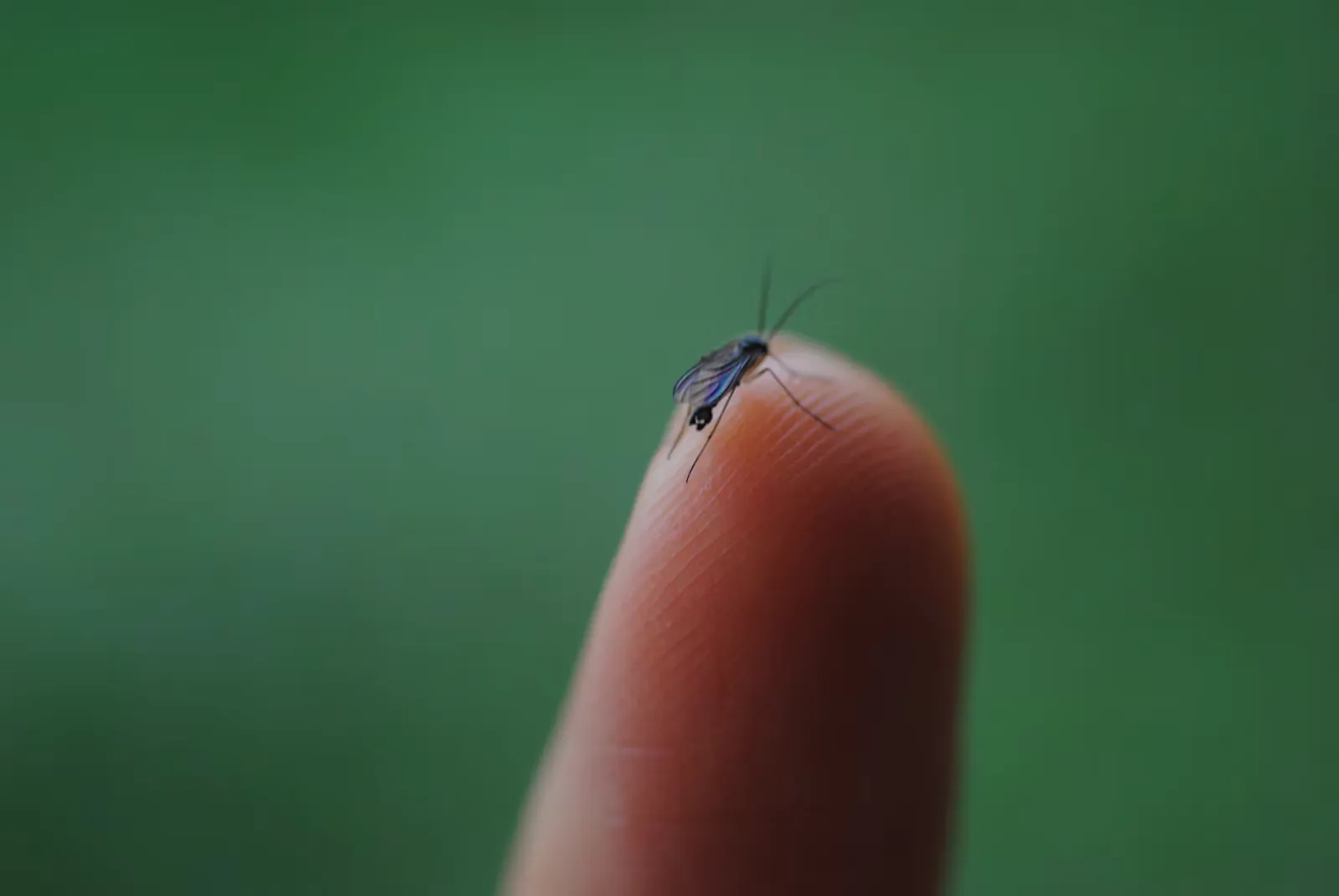
How do people catch it? Through the bite of an infected Culex mosquito, mainly Culex tritaeniorhynchus. The WHO describes a transmission cycle between mosquitoes, pigs and water birds. For you, the risk is the mosquito bite itself, and TravelHealthPro says these mosquitoes usually bite between dusk and dawn, mainly in rural areas with rice fields, swamps and marshes.
Most infections cause no symptoms or just a fever and headache. The trouble is the small minority. According to the WHO fact sheet (6 August 2024), about 1 in 250 infections results in severe clinical illness, the incubation period is 4 to 14 days, and of those who survive encephalitis, 20 to 30% suffer permanent cognitive, behavioural or neurological problems. There is no cure, only supportive care.
So what does the vaccine actually do? The WHO lists three main vaccine types in use worldwide: inactivated Vero cell-derived vaccines, a live attenuated vaccine and a live recombinant vaccine. In the UK, travel clinics use one inactivated vaccine, IXIARO. What your own country stocks may differ, so ask your clinic which Japanese encephalitis vaccine it offers before you book a slot.
Ready for your adventure abroad?
Secure your spot for your internship abroad now.
Do you need the Japanese encephalitis vaccine for your elective?
Maybe, and it depends on where, when and how long. The overall risk for travellers is low: TravelHealthPro estimates fewer than one case per 1 million travellers from non-affected countries visiting Asia. Risk rises with longer stays, rural areas and outdoor evenings, so a placement of four weeks or more puts you in the group that should at least discuss it.
TravelHealthPro's country pages say vaccination can be considered for people staying in a risk area for one month or more during the transmission season, for frequent travellers to affected areas, and for anyone uncertain about their itinerary, location, activities or length of stay. Shorter trips can also qualify if you plan to visit rice fields or pig farms.
Think about how an elective really looks. You work in a hospital during the day, but you live locally, eat out in the evening and spend weekends exploring. In Bali, for example, our placement is at RSU Bangli and students are accommodated in Ubud, according to our Bali page. Ask your travel clinic whether your town, your weekend trips and any rice-field walks put you in a higher risk group.
The NHS puts it in similar terms. Its page on Japanese encephalitis says the vaccine is recommended for travel to parts of the world where the virus is found, especially if you stay more than a month, stay in a rural area, or stay near rice fields, wetlands or places where pigs are kept. It also notes that UK travellers pay for this vaccine themselves.
Which destinations carry a Japanese encephalitis risk?
Three of our four destinations do. TravelHealthPro lists Japanese encephalitis for Nepal, Sri Lanka and Indonesia, with year-round risk in all three. Tanzania's page lists no Japanese encephalitis section, which fits the WHO description of a disease of Asia and the Western Pacific. Our own destination pages match that picture.
Here is what each source says, read on 29 October 2026:
Destination
Our destination page
TravelHealthPro country page
Pokhara, Nepal
Japanese encephalitis listed as recommended but optional
Occurs in Nepal; affected areas include the Terai, the Kathmandu Valley and some other hill and mountain districts; risk year-round, seasonal peak May to October
Galle, Sri Lanka
Japanese encephalitis listed as recommended but optional
Occurs in Sri Lanka; risk year-round, with peaks around the monsoon seasons
Bangli, Bali (Indonesia)
Japanese encephalitis listed as recommended but optional
Occurs countrywide in Indonesia, with year-round risk
Zanzibar (Tanzania)
Not listed; rabies prophylaxis, typhoid and dengue listed as recommended but optional, plus malaria prophylaxis
No Japanese encephalitis section on the Tanzania page
Nepal needs a closer look. TravelHealthPro names the Terai lowlands and the Kathmandu Valley, plus "some other hill and mountain districts", and says vaccination is not usually recommended for short high-altitude trekking holidays. Whether your exact district and dates count as a risk is a question for your travel clinic, so bring your full itinerary, including side trips.
How does the Japanese encephalitis vaccine schedule work?
The standard Japanese encephalitis vaccine schedule in the UK is two doses of IXIARO, on day 0 and day 28. Adults aged 18 to 65 can use a licensed accelerated schedule of day 0 and day 7. With both schedules, TravelHealthPro says the two doses should be finished at least one week before you could be exposed.
That one-week buffer is easy to forget. On the standard schedule, you need about five weeks from first dose to protection. On the accelerated schedule, about two weeks. Here is how the TravelHealthPro schedule for IXIARO looks for adults:
Standard schedule
Accelerated schedule
Who
Adults 18 to 64 (and children from 2 months, adjusted dose)
Adults aged 18 to 65 (licensed)
Doses
Day 0 and day 28
Day 0 and day 7
Finish by
At least 1 week before possible exposure
At least 1 week before possible exposure
Boosters follow the age-based table on the same page: for adults 18 to 64 at ongoing risk, one booster 12 months after the primary course (otherwise 12 to 24 months later, before re-exposure), and a second booster at 10 years if you remain at risk. Two more practical points come from TravelHealthPro. If your course gets interrupted, you resume it rather than restart. And IXIARO is available in only a small number of Asian countries, so plan to get both doses at home instead of hoping to finish the course in Pokhara or Denpasar.
What about cost? The NHS says UK travellers pay for the Japanese encephalitis vaccine themselves at travel clinics or pharmacies. Prices and coverage differ from country to country, so check with your own clinic or insurer, and ask your medical school whether it supports travel vaccines for placements. Our guide to medical elective insurance explains what a travel policy covers and what it doesn't.
How risky is Japanese encephalitis for travellers?
For travellers, Japanese encephalitis is rare but severe. TravelHealthPro puts the incidence at fewer than one case per 1 million travellers from non-affected countries. The WHO, however, reports a case fatality rate of up to 30% among people with encephalitis and lasting damage in 20 to 30% of survivors. Low odds, high stakes.
Estimated annual clinical cases and deaths from Japanese encephalitis worldwide, WHO fact sheet, 6 August 2024.
Why are the local numbers so much higher than the traveller numbers? The WHO notes that most cases occur in children under 15, because adults in endemic areas usually gained immunity after a childhood infection. You arrive without that immunity. That's the reason a travel clinic treats a long rural stay differently from a short city break, even in the same country.
One more figure helps you weigh it. The WHO says Japanese encephalitis puts more than 3 billion people in 24 countries at risk of infection. Your patients in Nepal, Sri Lanka or Bali may well include children with encephalitis, which is also a good reason to learn how the local team diagnoses and manages it during your placement.
Secure Information Material
Request all the important info for free, no obligation.
Your Japanese encephalitis vaccine plan in 6 steps
Work through these in order. Start as soon as your elective dates are confirmed, because the standard course needs about five weeks:
Collect your details. Write down your destination, hospital town, dates, planned side trips and accommodation type. Rural weekends and rice-field visits change the risk.
Book a travel clinic or your doctor. Ask whether they recommend the Japanese encephalitis vaccine for your trip and which vaccine they stock.
Pick the schedule. If you have five weeks or more, the day 0 and day 28 course fits. If you are 18 to 65 and short on time, ask about the day 0 and day 7 accelerated course.
Bundle the visit. Plan rabies, typhoid and hepatitis courses at the same time. Our guides to the typhoid vaccine and the hepatitis B vaccine show how long each one takes.
Finish a week before you fly. Both doses must be done at least seven days before possible exposure. Keep the record in your travel folder.
Set a booster reminder. If you might return for a final-year placement or research, note the 12 to 24 month booster window in your calendar.
Why does mosquito protection still matter?
Because the Japanese encephalitis vaccine protects against one virus only, and other mosquito-borne infections such as dengue occur at our destinations too. The WHO says travellers to endemic areas should take precautions to avoid mosquito bites, and TravelHealthPro tells all travellers to avoid bites, particularly between dusk and dawn.
What does that look like on an elective?
Repellent. The NHS advises insect repellent on exposed skin, ideally containing at least 50% DEET.
Nets. Sleep under an insecticide-treated mosquito net if your room is not screened.
Clothing. Long sleeves, trousers, socks and shoes, especially from dusk to dawn.
Fever after you get home. If you develop a fever, headache, confusion or a stiff neck after your trip, tell your doctor where you travelled.
Our destination pages say a dengue vaccination is only advisable if you have already had a dengue infection, so for most students bite avoidance is the main protection. Our guide to dengue on a medical elective in Sri Lanka covers it in detail. Bites from animals are a separate topic, covered in rabies on a medical elective. For the full picture of health and practical planning, the travel4med partner network on futuredoctor.group shows how our sister services support medical students along the way.
Planning your elective and still sorting your vaccines? We place medical, nursing and physician assistant students in Sri Lanka, Nepal, Bali and Zanzibar for clinical electives, final-year placements, nursing placements and observerships. Book a free consultation, compare our destinations or read about our clinical placements abroad.
Frequently Asked Questions
Sources
World Health Organization. Japanese encephalitis, fact sheet, 6 August 2024: who.int (accessed 29 October 2026).
TravelHealthPro (National Travel Health Network and Centre, UK). Japanese encephalitis, including the IXIARO schedule and the country information update of 19 December 2025: travelhealthpro.org.uk (accessed 29 October 2026).