Is Sri Lanka Safe for a Medical Elective? 2026 Guide
Is Sri Lanka safe for a medical elective? Yes, for most students who prepare well. Sri Lanka is a country where violent crime against foreigners is rare, according to UK government travel advice, and the UK does not advise against travel to any part of it. The real risks on a placement are everyday ones: traffic, petty crime, rip tides, monsoon flooding and dengue.
Researched and editorially reviewed by Samet Ata, medical student and travel4med's site coordinator for Sri Lanka and Zanzibar. Samet prepares students for their placement in Galle and answers their questions before and during the trip.
Key Takeaways
No "do not travel" warning. The UK government's Sri Lanka advice (still current on 6 November 2026) does not advise against travel to any part of the country, but reminds you that "no travel can be guaranteed safe".
Crime is mostly petty. Violent crime against foreigners is rare. Bag snatching from motorbikes, bank card fraud and drink spiking are the things to watch.
Roads are the biggest daily risk. The WHO estimates 2,513 road traffic deaths in Sri Lanka in 2021, or 11.5 per 100,000 people.
Weather can turn serious. Cyclone Ditwah left 618 people dead and more than 2 million affected across 22 districts by 6 December 2025, the UN reported.
Dengue is the main health risk. WHO Sri Lanka counted more than 90,000 cases in 2026 by early August, on track for the largest outbreak since 2017.
Save the numbers. Police 118 or 119, ambulance 1990, tourist police 011 2421052, Sri Lanka Tourism hotline 1912.
Is Sri Lanka safe for international students right now?
Yes. Sri Lanka is safe for international students in November 2026 if you take normal precautions. The UK government's travel advice was last updated on 21 September 2026, to add a warning about heavy rainfall, flooding and landslides, and it advises against travel to no part of the island. Violent crime against foreigners is described as rare.
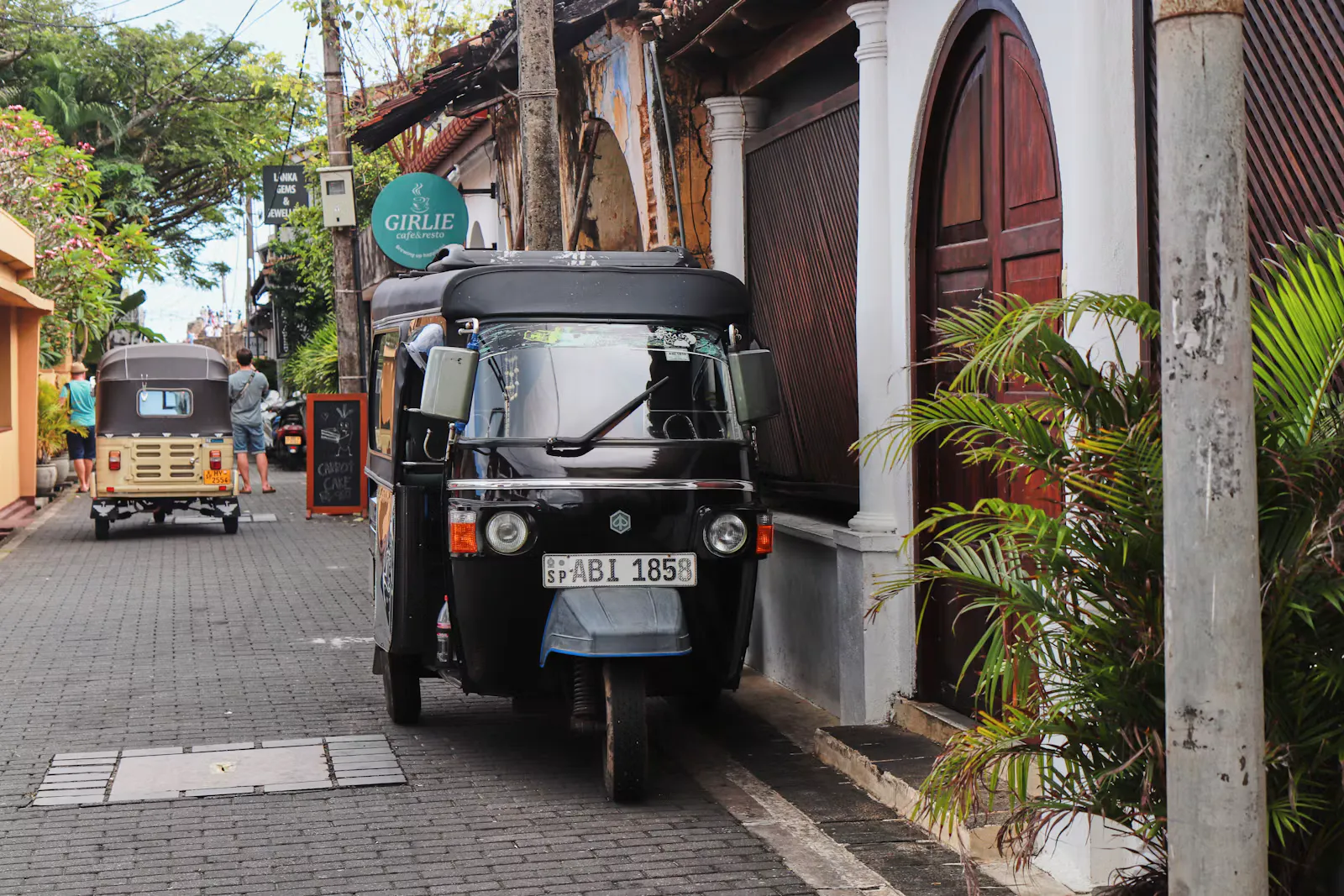
For a placement student, that means the risk picture looks different from the headlines. You'll most likely be in Galle on the south coast, living with other interns and travelling by tuk-tuk, bus or train at weekends. The things worth preparing for are traffic, a snatched bag, a fare argument, a fever or a week of heavy rain.
Sri Lanka is not risk free, though. So is Sri Lanka safe in every situation? No country is. The better question isn't only "is Sri Lanka safe?" but "which risks apply to me on a ward in Galle, and what do I do about each one?" The rest of this guide answers that, with an official source for every point.
A quick note on sources: we quote the UK government because its advice is detailed and public. If you hold another passport, read your own government's advisory for Sri Lanka too, register with your embassy if it offers that, and follow its alerts during your stay.
Ready for your adventure abroad?
Secure your spot for your internship abroad now.
What does official travel advice say about Sri Lanka?
Official advice says Sri Lanka is open to visitors, with general caution. The UK Foreign, Commonwealth and Development Office (FCDO) lists terrorism, protests, petty crime, road accidents and natural hazards, but it does not advise against travel to Sri Lanka or any region of it. Its main page was marked still current on 6 November 2026.
Here is what the FCDO advice covers, in plain words:
Terrorism. Attacks "cannot be ruled out" and could target hotels, beaches, tourist sites, places of worship and large gatherings. The Easter Sunday attacks of 2019 killed more than 250 people.
Protests. Demonstrations can happen anywhere at short notice and can turn violent. In 2022, large protests led to curfews and roadblocks. Stay away from gatherings and follow local news.
Drugs. Illegal drugs, including cannabis, carry severe penalties, with long jail sentences and heavy fines.
LGBT+ travellers. Same-sex sexual activity is illegal in Sri Lanka, although the FCDO says it is not aware of any prosecutions.
So is Sri Lanka safe according to official advice? Yes, with caution. None of this is a reason to cancel a placement. It's a reason to read the advice once before you book, sign up for alerts, and check it again in the week before you fly.
How common is crime against visitors in Sri Lanka?
Crime against visitors in Sri Lanka is mostly small and opportunistic. The FCDO reports "an increase in incidents of low-level opportunistic crime" and says violent crimes against foreigners are rare. The most common problems are bag snatching by people on motorbikes, bank card fraud and, in bars, drink spiking. A few habits prevent most of it, and they're the honest answer to "is Sri Lanka safe for my phone and wallet?"
What the official advice tells you to do:
Carry your bag on the side away from the road, and don't put it in a bicycle basket.
Use ATMs inside banks or hotels, and keep your card in sight when you pay. Bank card fraud is described as common.
Don't accept drinks from strangers or leave yours unattended. Bars rarely use measures, so drinks can be stronger than you expect.
Carry fewer valuables. Keep your passport locked away and carry a copy.
Money questions come up a lot here. Our Sri Lanka currency guide explains how much cash to carry and how to pay safely.
Is Sri Lanka safe for solo female travellers?
Sri Lanka is safe for most women travelling alone, but harassment is a real issue. The FCDO says women report verbal and physical harassment, including sexual assault, mostly in markets, bus and railway stations, at sporting events and at tourist sites. It also mentions occasional harassment of women in taxis and tuk-tuks at night.
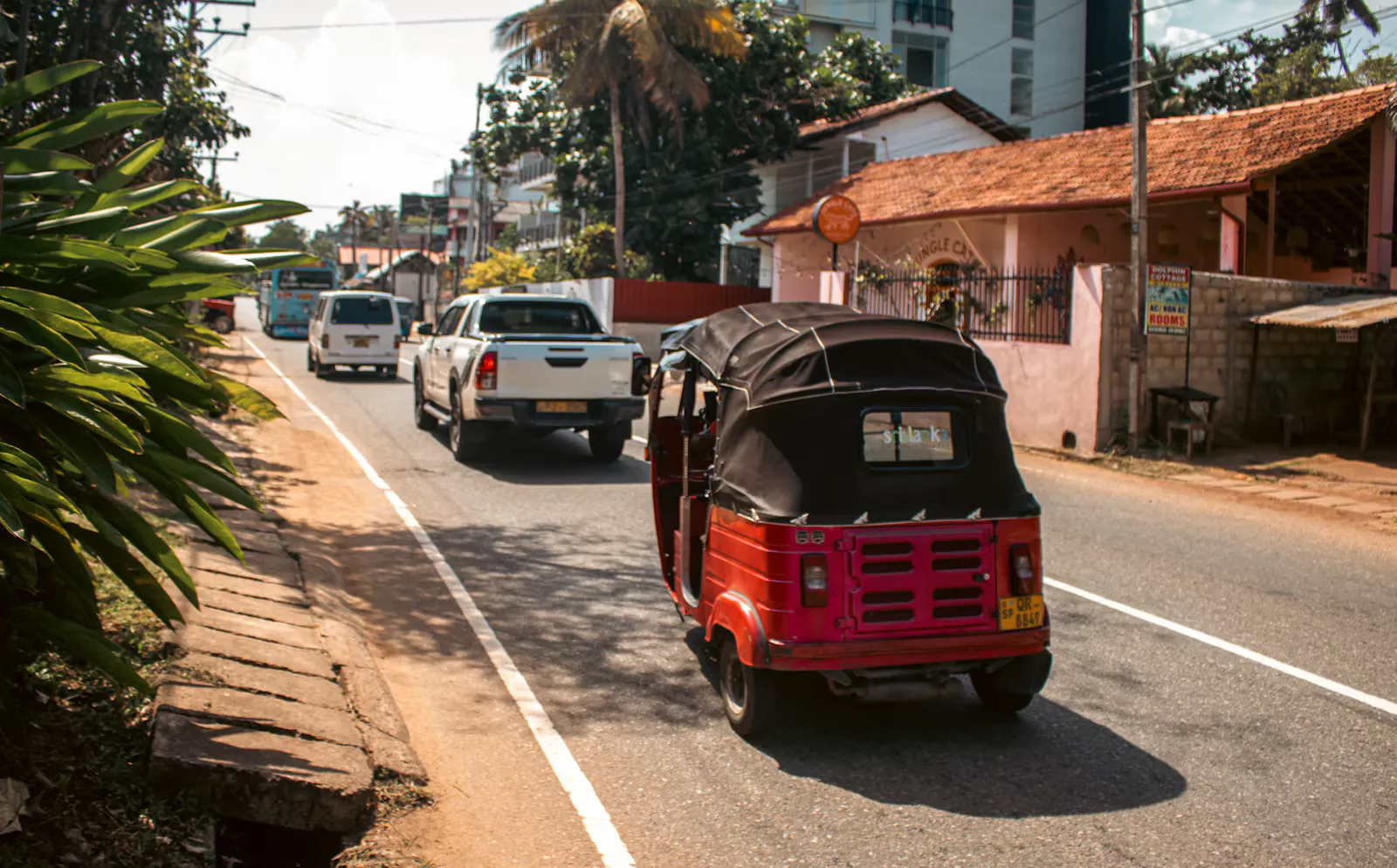
So is Sri Lanka safe for a female nursing or medical student on placement? Yes, with planning. Travel in pairs or small groups after dark, use a tuk-tuk with a working meter or agree the fare first, and change vehicles if you feel uneasy about a driver. The FCDO suggests considering a personal alarm. Our Sri Lanka culture guide explains local etiquette, including what to wear at temples.
Living with other interns in one house helps here: there is usually someone to share a ride home with.
Road safety: the biggest everyday risk in Sri Lanka
If you ask "is Sri Lanka safe on the roads?", the honest answer is: this is where most of the real risk lies. The road is the hazard most likely to hurt you. The WHO estimates 2,513 road traffic deaths in Sri Lanka in 2021, a rate of 11.5 per 100,000 people. The FCDO describes driving as "erratic", with frequent accidents, particularly at night, and calls motorbikes especially dangerous.
Some practical rules our students follow:
Don't ride a motorbike or scooter, even if a guesthouse offers one cheaply. Check what your travel insurance says before you even consider it.
Prefer daytime travel for long trips. The FCDO says public buses are often fast and poorly maintained, while tourist buses are generally safer.
On the train, don't lean out of open doors or windows. The FCDO mentions fatal accidents from exactly this.
Look both ways twice when crossing. Traffic, animals and pedestrians share the same space.
At the beach, the sea is the second underrated risk. The FCDO warns that many Sri Lankan beaches have dangerous surf or rip tides at certain times of the year. Ask locally before you swim, and never swim alone or after drinking.
Secure Information Material
Request all the important info for free, no obligation.
What about monsoon floods, cyclones and landslides?
Sri Lanka has monsoon and inter-monsoon seasons, and heavy rain can cause floods and landslides that close roads. The FCDO's September 2026 update warns that inter-monsoon rainfall has raised the flood and landslide risk across the country. In late 2025, Cyclone Ditwah showed how serious it can get.
The UN in Sri Lanka reported on 6 December 2025 that Cyclone Ditwah had left 618 people dead and 209 missing, with 2,078,436 people affected across 22 districts. That is an extreme event, not a normal rainy season. Is Sri Lanka safe in the rainy months, then? Mostly, yes, but Ditwah explains why a weather alert in Sri Lanka deserves your attention.
Which health risks matter most on a placement in Sri Lanka?
Dengue is the main health risk for students in Sri Lanka in 2026. WHO Sri Lanka reported more than 90,000 dengue cases and over 65 deaths by early August 2026, putting the year on track for the largest outbreak since 2017. Rabies from dogs and needlestick injuries on the ward are the other two to plan for.
Reported dengue cases in Sri Lanka in the record year 2017 and in 2026 up to early August. Source: WHO Country Office for Sri Lanka, "National Dengue Review 2026", 14 August 2026.
When students ask us "is Sri Lanka safe for my health?", dengue is the first thing we talk about. It spreads through mosquito bites, so repellent, long sleeves and a room with screens or air conditioning are your best protection. Our dengue guide for a medical elective in Sri Lanka explains symptoms, warning signs and what to do if you get a fever.
The FCDO also says feral dogs are common and sometimes carry rabies, so read our guide to rabies on a medical elective and talk to a travel clinic about pre-exposure vaccination. On the ward, you'll handle needles and blood, so know the protocol from our needlestick injury guide before day one. Book your travel clinic six to eight weeks ahead, as described in our vaccinations guide.
Sri Lanka safety checklist in 8 steps
Is Sri Lanka safe for you personally? That depends a lot on your own preparation. Use this checklist from booking to your last day. Each step names who does what, so you can tick it off rather than worry about it.
Read your government's advisory. Open your own country's Sri Lanka travel advice when you book and sign up for its email or app alerts.
Get insurance that covers the placement. Check medical evacuation, clinical work and needlestick follow-up. Our medical elective insurance guide lists what to ask your insurer.
See a travel clinic. Six to eight weeks before departure, discuss routine vaccines, rabies and mosquito protection.
We place medical, nursing and physician assistant students in Galle, on Sri Lanka's south coast. Our students live together in the travel4med villa with meals, air conditioning and WiFi, and our programmes are personally supervised. Read more on our Sri Lanka destination page, in our guide to a medical elective in Sri Lanka and in a student's nursing internship report from Sri Lanka.
UK Foreign, Commonwealth and Development Office. Sri Lanka travel advice (still current at 6 November 2026, updated 21 September 2026; "No travel can be guaranteed safe"): gov.uk (accessed 7 November 2026).
UK Foreign, Commonwealth and Development Office. Sri Lanka travel advice, Safety and security (terrorism, protests, crime, women travellers, tuk-tuks, roads, rail, swimming, wildlife, natural disasters, drugs, LGBT+): gov.uk (accessed 7 November 2026).
UK Foreign, Commonwealth and Development Office. Sri Lanka travel advice, Warnings and insurance (heavy rainfall, flooding and landslides; Sri Lanka Tourism hotline 1912): gov.uk (accessed 7 November 2026).
UK Foreign, Commonwealth and Development Office. Sri Lanka travel advice, Getting help (emergency numbers): gov.uk (accessed 7 November 2026).
World Health Organization. Road safety, Sri Lanka 2023 country profile (2,513 estimated road traffic deaths in 2021, 11.5 per 100,000 population): who.int (PDF) (accessed 7 November 2026).
WHO Country Office for Sri Lanka. "National Dengue Review 2026 identifies priorities to strengthen Sri Lanka's dengue preparedness and response", 14 August 2026: who.int (accessed 7 November 2026).
United Nations Sri Lanka. "Sri Lanka: Cyclone Ditwah, Flash Update 5", 6 December 2025 (618 deaths, 209 missing, 2,078,436 people affected, 22 districts): srilanka.un.org (accessed 7 November 2026).
Disaster Management Centre, Sri Lanka. Official website: dmc.gov.lk (accessed 7 November 2026).
travel4med. Sri Lanka destination page (Galle, villa, supervision): Sri Lanka (accessed 7 November 2026).