Medical Elective in Sri Lanka: 2026 Placement & Prep Guide
A medical elective in Sri Lanka is a short-term, supervised clinical placement at one of the country's state-university teaching hospitals, open to medical, nursing and allied-health students who are still enrolled at an overseas university. Unlike a single-hospital experience report, Sri Lanka actually offers three separate official routes into the wards — through the Faculty of Medicine at the University of Ruhuna in Galle, the University of Colombo, or the University of Peradeniya in Kandy — each with its own hospital, fees and application lead time. This guide compares all three, plus the visa, cost and travel-health steps you need to plan a placement for 2026.
Key Takeaways
Sri Lanka has three official university-run elective programmes for international students: University of Ruhuna (Galle), University of Colombo (National Hospital of Sri Lanka), and University of Peradeniya (Kandy) — each with its own host hospital and application process.
Galle's former Teaching Hospital Karapitiya was elevated to Galle National Hospital in 2024, the country's third National Hospital, with roughly 2,066 beds and a target of 2,800+ by the end of that year.
The University of Colombo route needs the longest lead time (apply at least 3 months ahead); Peradeniya is the most affordable at US$100/week plus a US$10 processing fee.
Most nationalities can now enter Sri Lanka visa-free for 30 days under the tourist ETA scheme (40 listed countries, effective 25 May 2026); everyone else pays a tiered ETA fee.
As of 2026, the CDC has a Level 2 travel health notice for chikungunya covering Sri Lanka and other Indian Ocean destinations — mosquito-bite prevention belongs at the top of every packing list.
Galle, Colombo and Kandy each host an official university medical-elective programme for international students.
What Is a Medical Elective in Sri Lanka?
A medical elective in Sri Lanka is a fixed-term, hospital-based clinical rotation — typically 2 to 12 weeks — arranged directly through the international/elective office of a Sri Lankan state university's Faculty of Medicine, rather than through a private agency. Students rotate through departments such as general medicine, surgery, paediatrics, obstetrics & gynaecology or psychiatry under the supervision of consultants, senior registrars and academic staff, working alongside local medical students. It is distinct from travel4med's broader medical electives abroad guide, which covers all four service destinations; this post goes deep on Sri Lanka specifically, and complements the first-person nursing internship in Sri Lanka account and the Sri Lanka culture guide already on this site.
Sri Lanka's public healthcare system is predominantly government-funded and largely free at the point of care, a policy stretching back to the mid-20th century, and the country has achieved health outcomes — including the elimination of malaria and polio — that outperform its income level (WHO South-East Asia Regional Office, Sri Lanka Health System Review). That combination of teaching-hospital scale and a genuinely public system is a large part of why an elective here is so widely sought after among international medical and nursing students.
Which Universities in Sri Lanka Accept International Elective Students?
If you're planning a medical elective in Sri Lanka, three state-university medical faculties run standing elective programmes for overseas students, each centred on a different teaching hospital:
Faculty (city)
Host hospital
Typical duration
Programme cost
Lead time to apply
University of Ruhuna (Galle)
Galle National Hospital (formerly Teaching Hospital Karapitiya)
4–12 weeks, department-dependent
Application fee only (bank transfer)
Rolling online registration
University of Colombo (Colombo)
National Hospital of Sri Lanka + specialist units (Lady Ridgeway, De Soysa, Castle Street)
2 weeks–3 months (dept caps: Medicine 4 wks, Surgery 8 wks, others 6 wks)
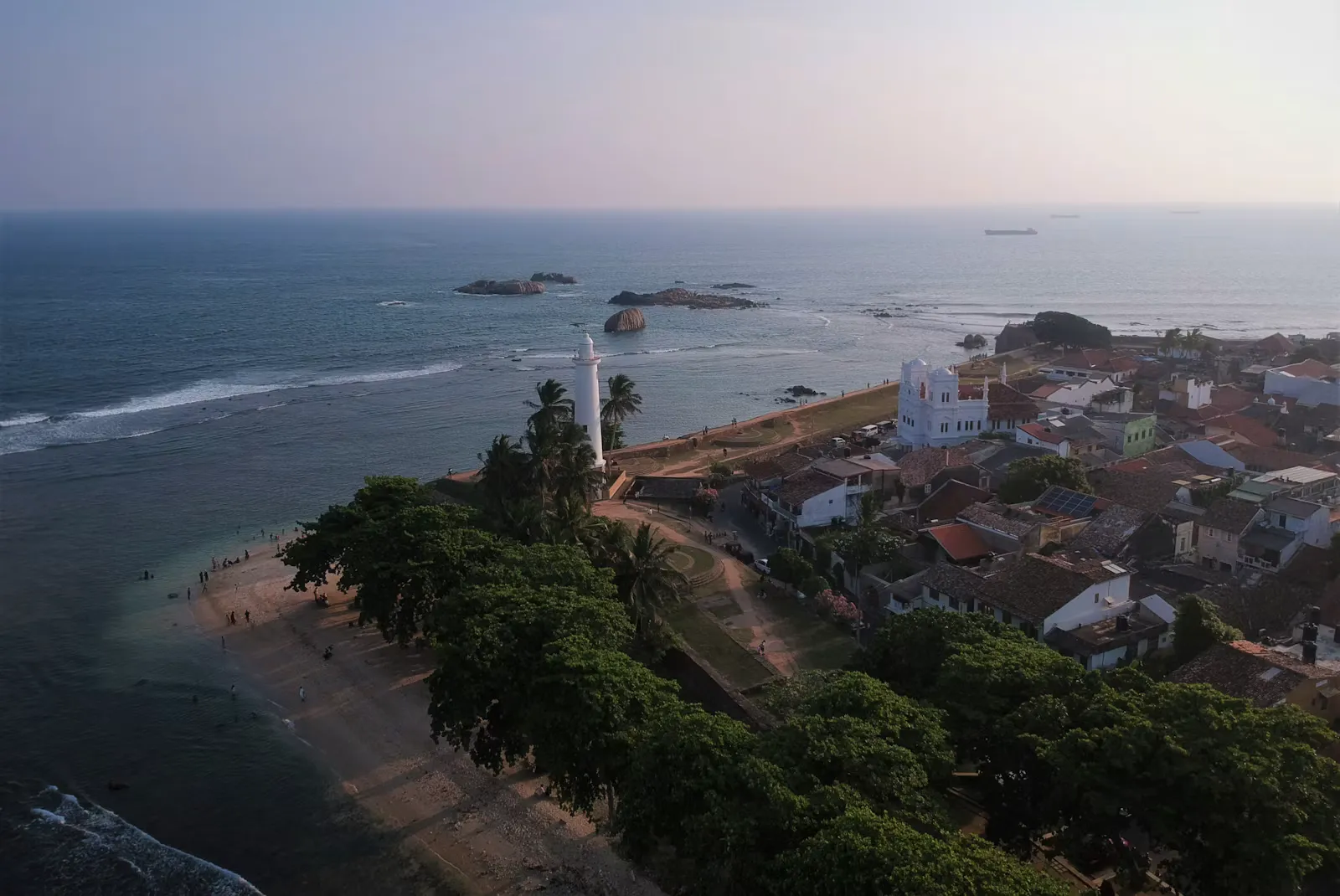
Galle (Ruhuna) is the country's best-known elective base, featured in travel4med's own nursing internship in Sri Lanka story. Colombo offers the widest subspecialty range but needs the longest planning runway. Peradeniya, near Kandy, is built around tropical medicine and is the most transparently priced of the three.
Ready for your adventure abroad?
Secure your spot for your internship abroad now.
Galle's Host Hospital Recently Changed Its Name
If you've read about "Teaching Hospital Karapitiya" in older elective write-ups, note that it was formally elevated to Galle National Hospital in 2024 — the third National Hospital in the country, after Colombo and Kandy — once its bed strength approached the 2,500-bed threshold the Ministry of Health uses for that designation (The Sunday Times, "Karapitiya crowned Galle National Hospital," 26 May 2024). Both names are still in circulation online, so it's worth confirming which one your placement paperwork and insurance documents use.
Source: The Sunday Times, "Karapitiya crowned Galle National Hospital," 26 May 2024 (hospital director interview).
How Do You Apply for a University-Run Elective in Sri Lanka?
The three programmes differ in detail, but the underlying sequence is the same:
Choose a host university and department based on your clinical interest, the duration you need, and how far ahead you're planning — Colombo if you need three months' notice and subspecialty breadth, Peradeniya if you want a shorter, tropical-medicine-focused rotation, Ruhuna/Galle if you want the country's largest-capacity teaching-hospital base.
Submit the online or paper application with your passport copy, a letter of recommendation from your home university, and evidence you are currently enrolled in a medical, nursing or allied-health degree.
Pay the relevant processing or programme fee — a flat application fee at Ruhuna, a per-department fee at Colombo, or the US$100/week tuition plus US$10 application fee at Peradeniya.
Arrange your Sri Lanka ETA, travel insurance and pre-travel health consultation once your placement is confirmed (see the next two sections).
Receive your confirmation letter and elective handbook, then plan arrival with enough buffer to register in person before your first ward day.
Do You Need a Visa for a Medical Elective in Sri Lanka?
Yes, but for most nationalities it is now simple and often free. Since 25 May 2026, nationals of 40 listed countries — including the UK, most of the EU, the US, India, China, Japan, Australia and Canada — can obtain the tourist Electronic Travel Authorisation (ETA) free of charge for a 30-day stay; everyone else pays a tiered fee (US$20/US$25 for SAARC nationals, US$50/US$60 for others) (Sri Lanka ETA official portal, eta.gov.lk).
Stays beyond 30 days need an extension through Sri Lanka's immigration eServices portal after arrival — re-check the current rules for your nationality close to your travel date. For destination-specific detail, see travel4med's visa requirements for Sri Lanka and Nepal and getting around Sri Lanka and Nepal guides.
What Should You Know About Health and Safety Before You Go?
Sri Lanka's tropical climate means routine travel-health preparation matters more than it would for a placement in, say, Western Europe. Two points are worth flagging for a 2026 elective specifically:
Chikungunya. The US CDC currently maintains a Level 2 — Practice Enhanced Precautions travel health notice covering chikungunya outbreaks across several Indian Ocean destinations, explicitly including Sri Lanka, alongside Kenya, Madagascar, Mauritius, Mayotte, Réunion and Somalia (CDC Travelers' Health, "Chikungunya in the Region of the Indian Ocean"). The CDC's core advice is mosquito-bite prevention — repellent, long sleeves, screened or air-conditioned accommodation — plus considering vaccination for travellers heading into an active outbreak area.
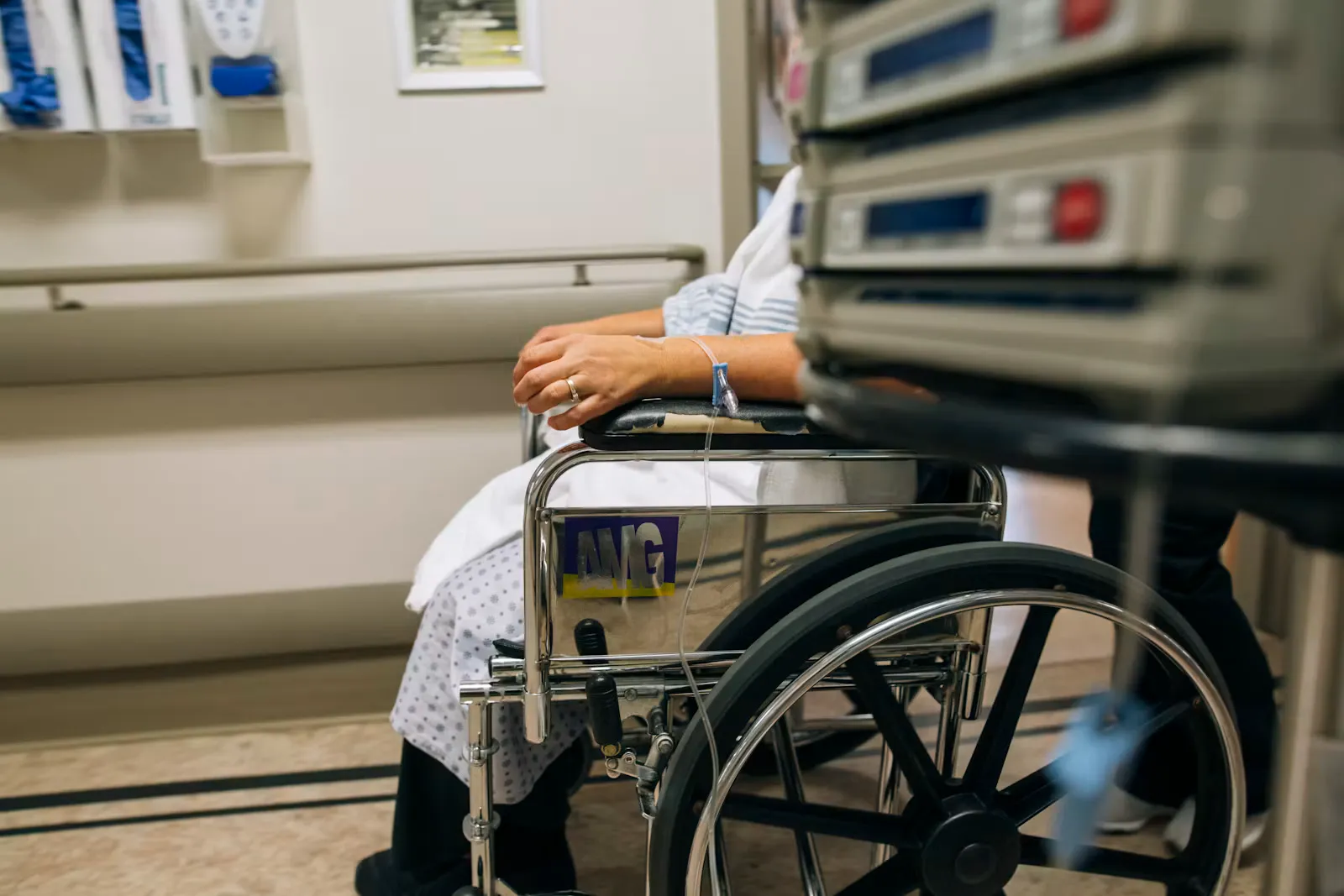
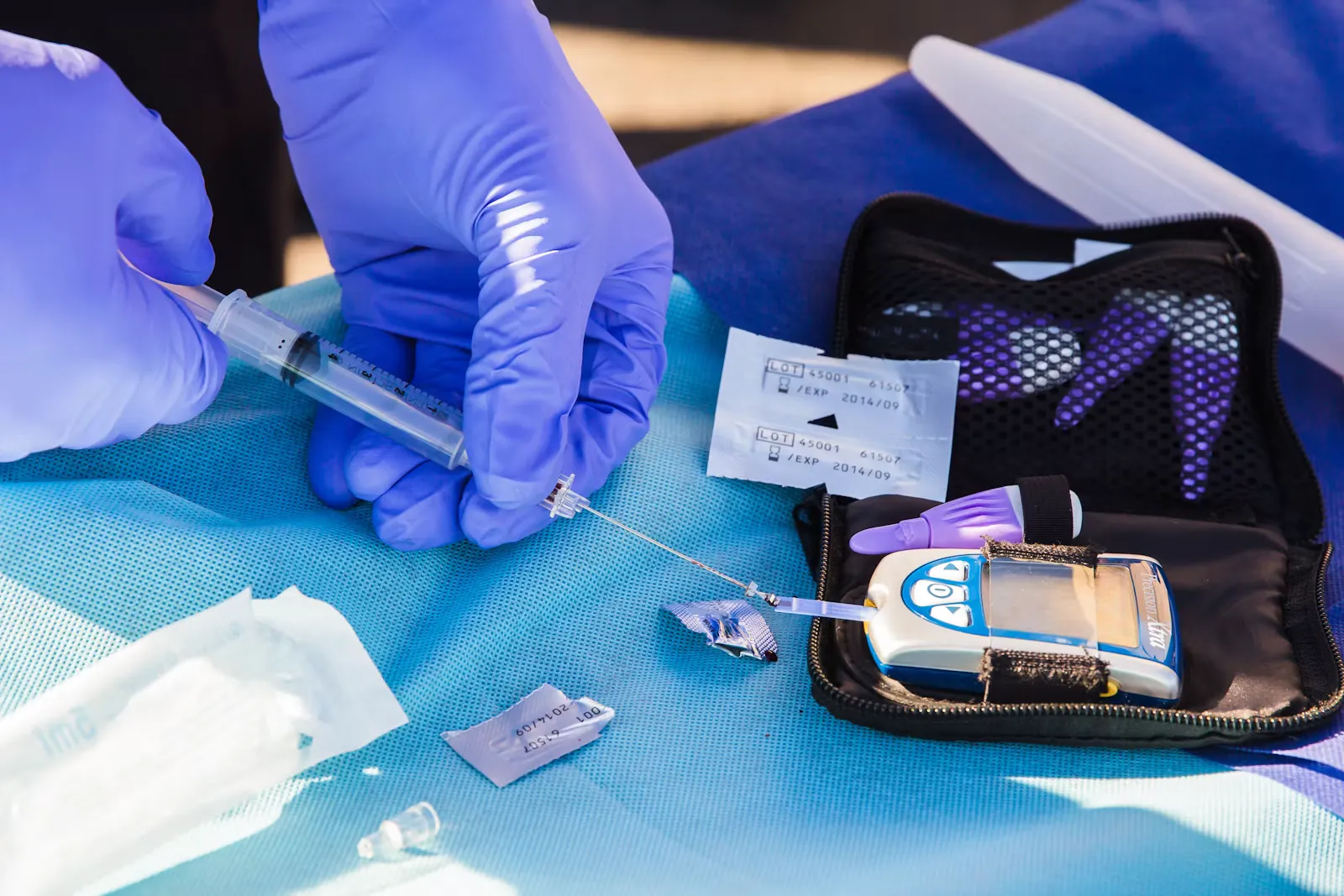
Sources: CDC Travelers' Health chikungunya notice; CDC Yellow Book; University of Colombo elective programme lead-time guidance; Sri Lanka ETA portal.Clinical rotations on a Sri Lanka elective typically combine ward-based teaching with outpatient clinics and, at times, community-health fieldwork.
Secure Information Material
Request all the important info for free, no obligation.
There is no single answer, because the three programmes price differently and airfare, accommodation and insurance vary by season. As a baseline: Peradeniya's tuition is transparently US$100 per week plus a one-off US$10 application fee; Ruhuna/Galle and Colombo charge application or per-department processing fees rather than a published weekly rate — confirm the current figure with the elective office before booking flights. On top of programme fees, budget for the ETA (often free, otherwise a tiered fee — see above), travel insurance covering clinical placement activities, accommodation and local transport. For a fuller budget method, see travel4med's budget for a clinical placement abroad and fund a clinical placement abroad guides. A reminder if your home country has no German-style recognition process: placement credit is always decided by your own university, never automatically by the host hospital.
Sri Lanka vs. travel4med's Other Elective Destinations
University of Ruhuna, Faculty of Medicine — "Elective for Foreign Students" (foreign-student elective registration; page last updated 2026-07-08), accessed 2026-07-23: medi.ruh.ac.lk
University of Colombo, Faculty of Medicine, International Unit — "Elective Programme" (eligibility, duration caps by department, application lead time of 2–3 months minimum), accessed 2026-07-23: med.cmb.ac.lk
University of Peradeniya, Faculty of Medicine — "Elective Courses for International Medical Students" (fees US$100/week + US$10 application, duration, 2026–27 blackout dates), accessed 2026-07-23: med.pdn.ac.lk
The Sunday Times (Sri Lanka) — "Karapitiya crowned Galle National Hospital," 26 May 2024 (bed count 2,066 rising to 2,800+, 120 specialists, 490 junior doctors, 1,900 nurses, ~4,000 total staff): sundaytimes.lk
Sri Lanka Electronic Travel Authorisation (ETA) official portal — tourist visa fee schedule and 40-country free-ETA list effective 25 May 2026: eta.gov.lk
US CDC, Travelers' Health — "Chikungunya in the Region of the Indian Ocean" (Level 2 travel health notice, Sri Lanka listed): wwwnc.cdc.gov
US CDC Yellow Book — "Yellow Fever Vaccine and Malaria Prevention Information, by Country" (2026 edition; last updated 2026-04-09): cdc.gov
WHO South-East Asia Regional Office — Sri Lanka Health System Review: apo.who.int