Dengue in Sri Lanka: Elective Safety Guide for 2026
Celina KöhslMedical student, member of the travel4med team
14. September 2026
12 minutes
Dengue in Sri Lanka: Elective Safety Guide for 2026
Dengue in Sri Lanka is a mosquito borne viral illness that circulates all year and peaks twice a year, and 2026 has been a heavy year: more than 90,000 reported cases and over 65 deaths by early August, according to the World Health Organization. If your placement runs from October into January, you are arriving in the second peak, the one that follows the north east monsoon. That is not a reason to cancel anything. It is a reason to pack the right repellent, learn the warning signs of severe dengue, and settle with your host hospital, before you fly, who you call when you spike a fever.
Written by the travel4med Editorial Team, who place medical and nursing students at partner hospitals in Sri Lanka every season.
Key Takeaways
2026 is the heaviest year in nearly a decade. WHO reported more than 90,000 cases and over 65 deaths in Sri Lanka by early August 2026, on track to be the largest outbreak since the 2017 record of 186,101 cases.
Your dates matter. Dengue in Sri Lanka has two peaks a year, and the second one runs from the end of the year into early January, tied to the north east monsoon of October to December.
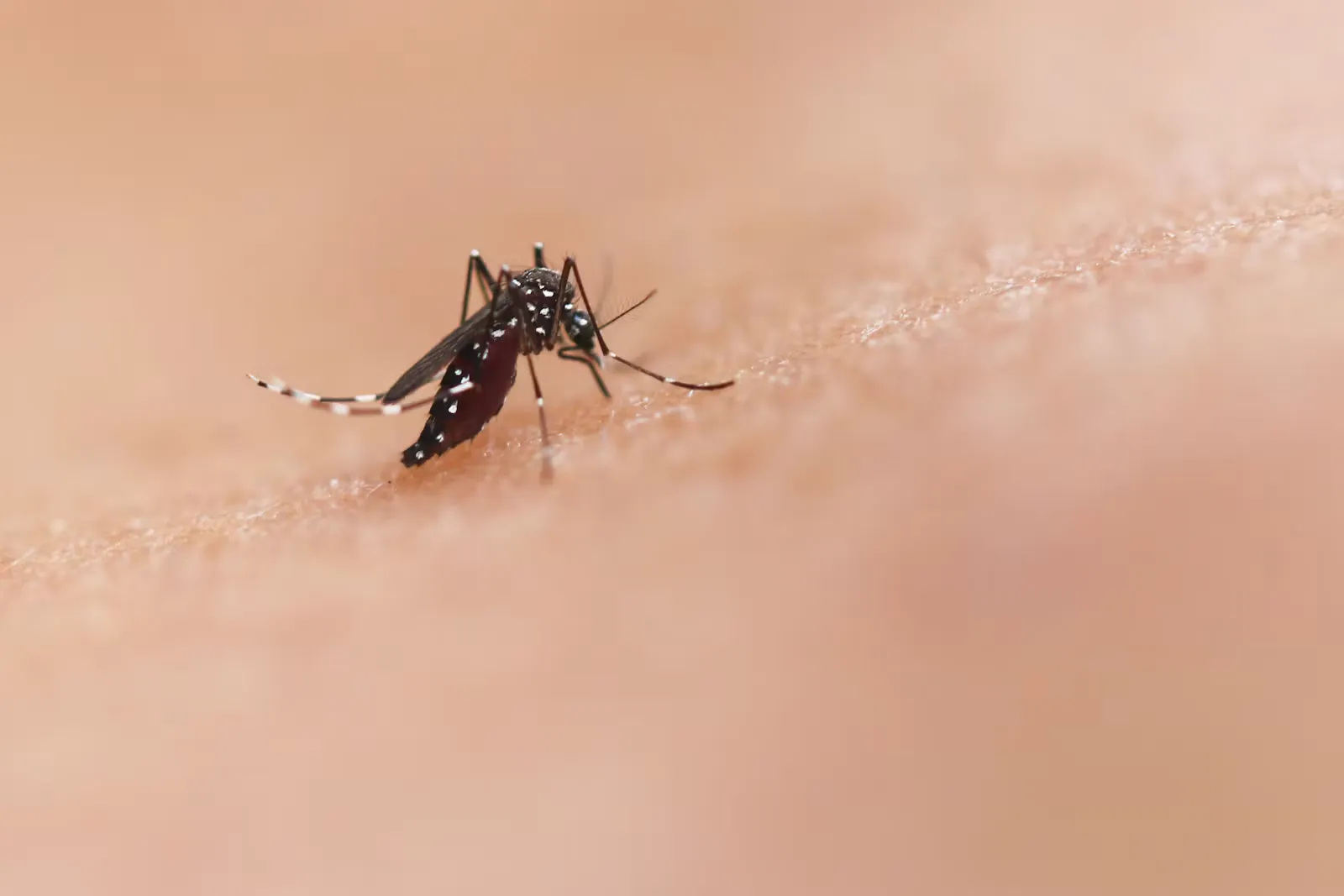
The mosquito bites in daylight. WHO states plainly that the mosquitoes which spread dengue are active during the day, so a bed net alone protects you at exactly the wrong hours.
There is no cure and no traveller vaccine. WHO says there is no specific treatment, and the one licensed vaccine is recommended only for people aged 6 to 16 in high transmission settings.
Watch the day the fever breaks. Severe dengue symptoms often start after the fever has gone away, which is exactly when people assume they are recovering.
How bad is dengue in Sri Lanka in 2026?
Bad, and worse than last year by a wide margin. The European Centre for Disease Prevention and Control logged 82,007 Sri Lankan cases in the first 30 weeks of 2026, against 33,374 in the same weeks of 2025. By early August the national total had passed 90,000 cases and 65 deaths.
Source: European Centre for Disease Prevention and Control, "Dengue worldwide overview", situation update August 2026 (data to 31 July 2026).
For scale, Sri Lanka's worst year on record was 2017, with 186,101 cases and 440 deaths, an incidence of 865.9 per 100,000 people. WHO has said this year could become the largest outbreak since then. In August, the health ministry and WHO ran a National Dengue Review to push early warning systems, vector control and mortality reviews.
Ready for your adventure abroad?
Secure your spot for your internship abroad now.
Why does the north east monsoon change your risk?
Because Sri Lanka's dengue curve follows the rain, with a delay. Published surveillance analysis describes two peaks a year: one in June and July after the south west monsoon, and a second at the end of the year into early January, tied to the north east monsoon that runs from October to December.
The lag is the part people miss. The same analysis found that incidence actually dips during the heaviest downpours, then climbs as the rain eases, with roughly three to four weeks between the peak rainfall and the outbreak. Standing water needs time to sit still before Aedes larvae mature in it.
So a placement starting in mid October lands in the build up. A placement starting in December or January lands in the peak itself. Sri Lanka has at least 48 identified Aedes species, including the two that transmit dengue, Aedes aegypti and Aedes albopictus, and they breed in exactly the clean domestic water that a monsoon leaves behind: buckets, roof gutters, plant pots, the tray under a water cooler.
What does dengue feel like, and when does it get dangerous?
Most infections are mild or silent. WHO estimates 100 to 400 million infections a year worldwide and says the vast majority are asymptomatic or mild. When symptoms do come, they usually begin 4 to 10 days after infection and last 2 to 7 days: high fever, bad headache, pain behind the eyes, aching muscles and joints, nausea, a rash.
The dangerous window comes later, and it catches people out. WHO puts it bluntly: the symptoms of severe dengue often come after the fever has gone away. You feel better, you decide you are through it, and that is the moment to be most alert.
Source: World Health Organization, "Dengue and severe dengue" fact sheet, last updated 21 August 2025.
WHO's warning list is worth memorising, because you will also be asked about it on the ward: severe abdominal pain, persistent vomiting, rapid breathing, bleeding gums or nose, fatigue, restlessness, blood in vomit or stool, extreme thirst, pale and cold skin, weakness. Anyone with those needs care immediately, you included.
Bite prevention that works during a hospital week
Here is the detail that changes everything about your kit list. WHO states that the mosquitoes which spread dengue are active during the day. Malaria advice trains people to think about dusk and a bed net; Aedes bites you on the walk to morning handover and during the afternoon clinic.
Build the day around that:
Put repellent on before you leave for the hospital, not at sunset. WHO names DEET, Picaridin and IR3535 as the active ingredients to look for.
Reapply after the midday sweat, after rain and after any hand washing that ran up your forearms.
Wear the longest sleeves and trousers you can stand in the heat, and treat scrubs as skin, not armour.
Sleep under a net if your room has no screens, and use a net for a daytime nap too, which is when WHO specifically recommends one.
Use window screens, coils or a plug in vaporiser in your room, and keep the door shut.
Walk your own accommodation once a week and tip out standing water: buckets, gutters, pot saucers, the fridge drip tray.
Is there a dengue vaccine or a tablet you can take?
No, not for you. WHO says there is no specific treatment for dengue and that pain can be managed with paracetamol. One vaccine, QDenga, is licensed in some countries, but WHO recommends it only for people aged 6 to 16 living in high transmission settings, which is a different situation from a student on a short placement.
That absence is exactly why bite prevention carries the whole load here. There is no equivalent of the weekly tablet you might take elsewhere, so the repellent, the clothing and the screens are the prophylaxis. If you want a sense of how different that is from other destinations, our malaria prophylaxis guide walks through what a drug based approach looks like.
Secure Information Material
Request all the important info for free, no obligation.
Not as a local risk. WHO formally recognised Sri Lanka as malaria free in 2016, and as of 2026 it has been fourteen years since the last reported indigenous transmission, in 2012. WHO does warn that imported cases can re establish transmission where competent mosquito vectors remain, so the country keeps screening.
For you, that means one thing and one thing only: the mosquito you plan around in Sri Lanka is a daytime biter carrying dengue, not a nocturnal one carrying malaria. Different insect, different hours, different kit. Your travel clinic will still cover routine and food and water related vaccines, which our vaccination guide for electives sets out.
What should you do if you spike a fever in Sri Lanka?
Treat it as dengue until a clinician says otherwise, and do not tough it out on the ward. You are in a country where dengue is endemic, in the year of its heaviest outbreak in nearly a decade, so a fever is not a travel niggle. Tell someone the same day.
Tell your supervisor and your accommodation host that morning, not after the shift.
Go to a doctor or the hospital's own staff clinic for assessment and testing.
Take paracetamol for pain and fever, and ask the treating clinician before you take anything else.
Drink and keep drinking, and have someone check on you rather than sleeping it off alone.
Go straight back if any of WHO's warning signs appear, especially once the fever has broken.
Call your insurer early so treatment is authorised before a bill exists.
That last point catches students out more than the illness does. Check what your policy says about inpatient care and repatriation before you fly; our elective insurance guide explains what to look for in the small print.
Should you still do your elective during dengue season?
Yes, with your eyes open. Thousands of visitors go through Sri Lanka every monsoon season without getting dengue, and a placement during an outbreak is a rare chance to see clinical decision making under real pressure: fluid management, platelet monitoring, triage that actually has to triage.
You will also learn the disease properly, from doctors who see it every week rather than from a slide deck. Read our medical elective in Sri Lanka guide for what a placement looks like day to day, or the nursing internship in Sri Lanka write up if you are on the nursing side.
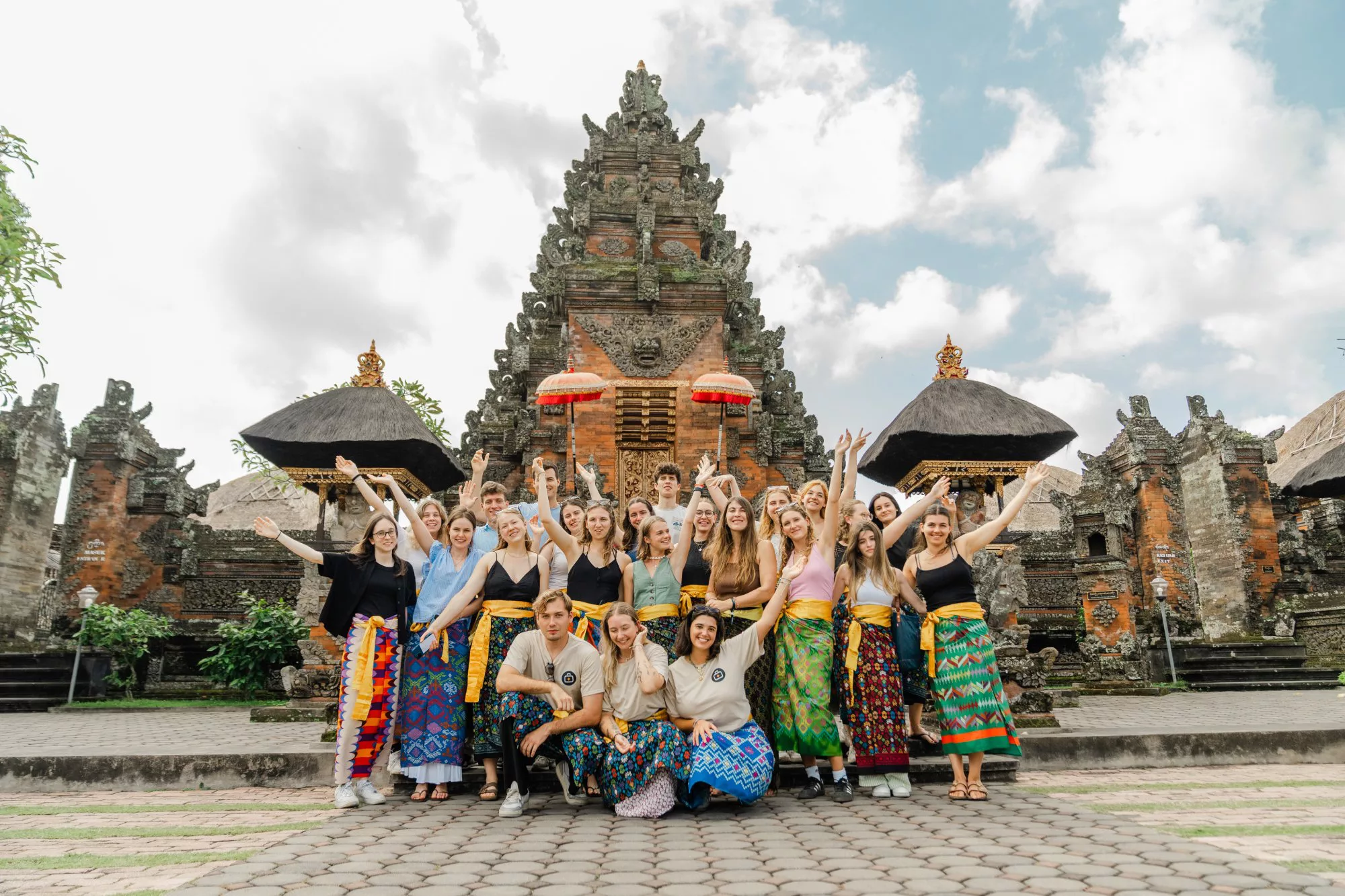
Not sure whether your dates land in the peak? travel4med arranges supervised clinical and nursing placements at partner hospitals in Sri Lanka, Nepal, Bali and Zanzibar, including the paperwork, supervision and accommodation. Book a free consultation and we will talk through the timing with you.
Reviewed by MUDr. Amandeep Grewal, who checks the clinical and travel medicine content of travel4med's guides against the primary sources listed below.
World Health Organization Sri Lanka, "National Dengue Review 2026 identifies priorities to strengthen Sri Lanka's dengue preparedness and response", 14 August 2026 (2026 case and death totals, 2017 record, Aedes species; accessed 14 September 2026): who.int/srilanka
World Health Organization, "Dengue and severe dengue" fact sheet, last updated 21 August 2025 (incubation, symptom duration, daytime biting, warning signs, treatment, QDenga recommendation, repellent ingredients; accessed 14 September 2026): who.int dengue fact sheet
World Health Organization Sri Lanka, "Driven to End Malaria: Ten years of success for Sri Lanka", 24 April 2026 (malaria free status 2016, last indigenous case 2012, importation risk; accessed 14 September 2026): who.int/srilanka malaria
European Centre for Disease Prevention and Control, "Dengue worldwide overview", situation update August 2026 (Sri Lanka cases weeks 1 to 30 of 2026 and 2025; accessed 14 September 2026): ecdc.europa.eu/en/dengue-monthly
Sirisena P.D.N.N. et al., "Effect of Climatic Factors and Population Density on the Distribution of Dengue in Sri Lanka: A GIS Based Evaluation for Prediction of Outbreaks", PLoS One, 2017, via PubMed Central (two seasonal peaks, north east monsoon October to December, three to four week lag; accessed 14 September 2026): pmc.ncbi.nlm.nih.gov
National Dengue Control Unit, Ministry of Health Sri Lanka (national dengue surveillance and daily situation updates; accessed 14 September 2026): dengue.health.gov.lk