My 4-Week Nursing Internship in Sri Lanka: Batu's Story
Celina KöhslMedical student, member of the travel4med team
10. August 2026
12 minutes
My 4-Week Nursing Internship in Sri Lanka: Batu's Story
A nursing internship in Sri Lanka is a supervised clinical placement at a public teaching hospital, where nursing and medical students rotate through real wards under the guidance of local doctors and nurses. Batu, a travel4med participant, did exactly that for four weeks at Karapitiya Teaching Hospital in Galle — rotating through neurosurgery, general surgery and paediatric cardiology by day, and exploring beaches, tea country and a national park on weekends. This is his first-person account of what a nursing internship in Sri Lanka actually looks like, from the first shift to the last souvenir.
Key Takeaways
Batu spent four weeks at Karapitiya Teaching Hospital in Galle, a large public teaching hospital in Sri Lanka's Southern Province affiliated with the Faculty of Medicine, University of Ruhuna.
His rotation covered neurosurgery, general surgery and paediatric cardiology, often with close, hands-on guidance from the attending doctors.
Sri Lanka's healthcare system is predominantly government-funded and largely free at the point of care, a policy stretching back decades.
Weekends filled up with a beach afternoon, a hike in Kandy, the tea-country train to Ella, a rainforest walk, a Yala National Park safari and a turtle-conservation stop in Hikkaduwa.
Batu's biggest regret: not doing a placement like this earlier in his studies.
How Do You Get to a Nursing Internship in Sri Lanka?
Most placements route through a connecting flight into Colombo, then on to the south coast. Sun protection matters from the first afternoon: the World Health Organization's UV Index guidance is blunt about it — once the index reaches 8 or higher, the advice is to avoid being outside during midday hours and seek shade whenever possible (WHO, UV Index Q&A).
Batu flew into Colombo with a stopover in Dubai, then took a roughly 100-kilometre taxi ride down to Galle. On the drive he got his first look at the dense tropical vegetation and the coast road running alongside the ocean. He was at the beach that same afternoon — sunscreen included.
"Even if you want to get a tan, the risk just isn't worth it," is how Batu describes his first lesson in sun protection, learned within hours of landing in the tropical south of the island.
Ready for your adventure abroad?
Secure your spot for your internship abroad now.
What Is Sri Lanka's Healthcare System Like?
Sri Lanka's healthcare system is predominantly government-funded and largely free at the point of care, a model rooted in health policy dating back to the mid-20th century (WHO South-East Asia Regional Office, Sri Lanka Health System Review). The public sector still carries the bulk of the load, delivering the large majority of inpatient care nationwide, and the country has achieved health outcomes that outperform its income level, including the elimination of malaria and polio.
On his first evening, Batu's placement coordinator, Javindu, walked the group through how the system works over a curry dinner: state-run, shaped historically by the British colonial period, and genuinely low-barrier in daily practice. Earlier that day, the group had visited Galle Fort, a Dutch-Portuguese fortification and one of the best-known historic sites on the south coast.
Just how much the state carries becomes clear in the numbers: Sri Lanka spent about 3.68% of GDP on health in 2023, down from 3.98% the year before (TheGlobalEconomy.com, World Bank data) — modest by international standards, yet enough to keep care broadly accessible.
But what does that look like once you're actually on the ward?
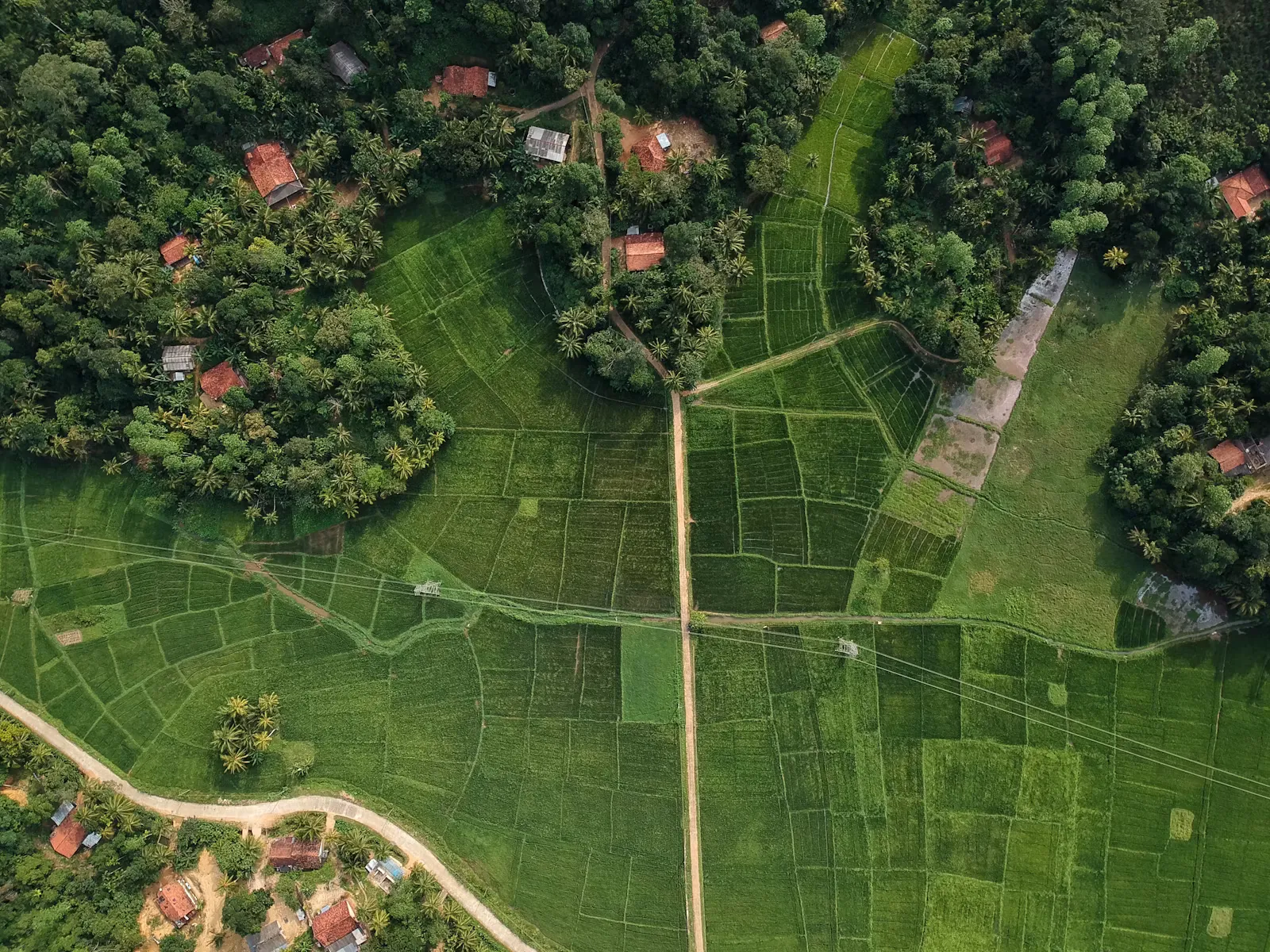
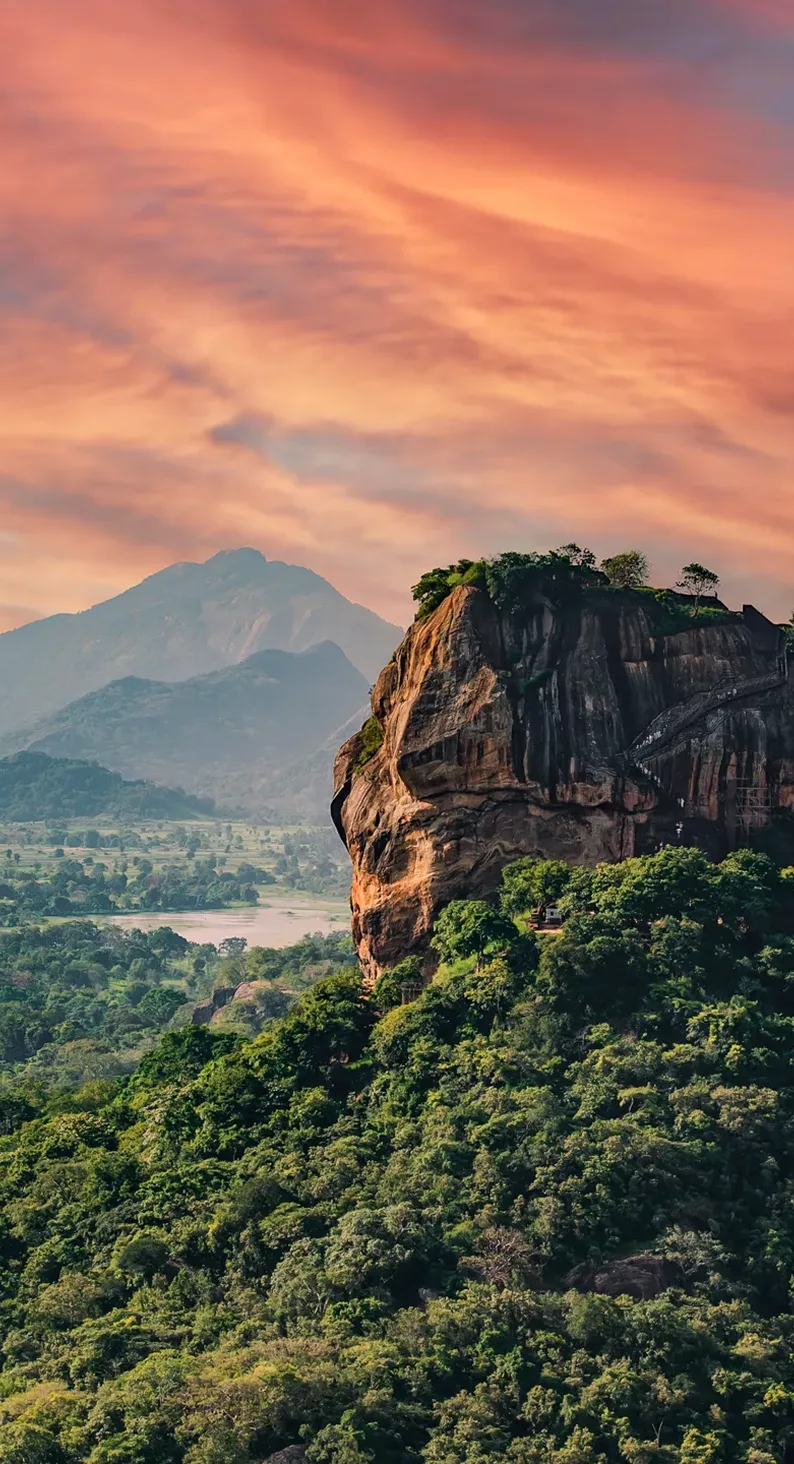
The drive down to the south coast gives interns their first look at Sri Lanka's tropical landscape, before the first clinical shift even starts.
What Does a Typical Clinical Day Look Like at Karapitiya Teaching Hospital?
Clinical life centres on Karapitiya Teaching Hospital in Galle, a large public teaching hospital that, according to hospital records compiled on Wikipedia (drawing on Ministry of Health Sri Lanka and University of Ruhuna documentation), was established in 1982 and has grown to around 2,066 beds — making it one of the largest tertiary-care centres in the Southern Province and the main training site for the University of Ruhuna's Faculty of Medicine (Wikipedia, "Galle National Hospital"). Interns are assigned directly to individual departments.
Batu started at 8:00 a.m. and was placed in neurosurgery alongside three other students, in near one-to-one supervision with the attending doctor. He watched surgeries for brain haemorrhages and tumour resections, and pitched in himself whenever he showed initiative. How much responsibility an intern takes on depends heavily on the department and the supervising team.
Here is what Batu's typical clinical day at Karapitiya Teaching Hospital looked like:
Arrive at the assigned ward around 8:00 a.m.
Report to the department — for Batu, neurosurgery, alongside three other students.
Observe ward rounds and surgeries under the attending doctor's guidance.
Assist hands-on where initiative is shown, depending on the department and team.
Head back to the beach by tuk-tuk once the shift ends.
Rotating Through the Operating Theatres
Neurosurgery theatre — complex neurological procedures such as brain haemorrhages and tumour resections
General surgery theatres — general surgical procedures, often running in parallel across several rooms
Paediatric cardiology — paediatric echocardiography, including cases of congenital heart defects and Kawasaki disease
Rotating across such different specialties within a few weeks is rarely possible at this pace back home, where rotations typically stretch over much longer periods. That density is exactly what makes a nursing internship in Sri Lanka so clinically rich.
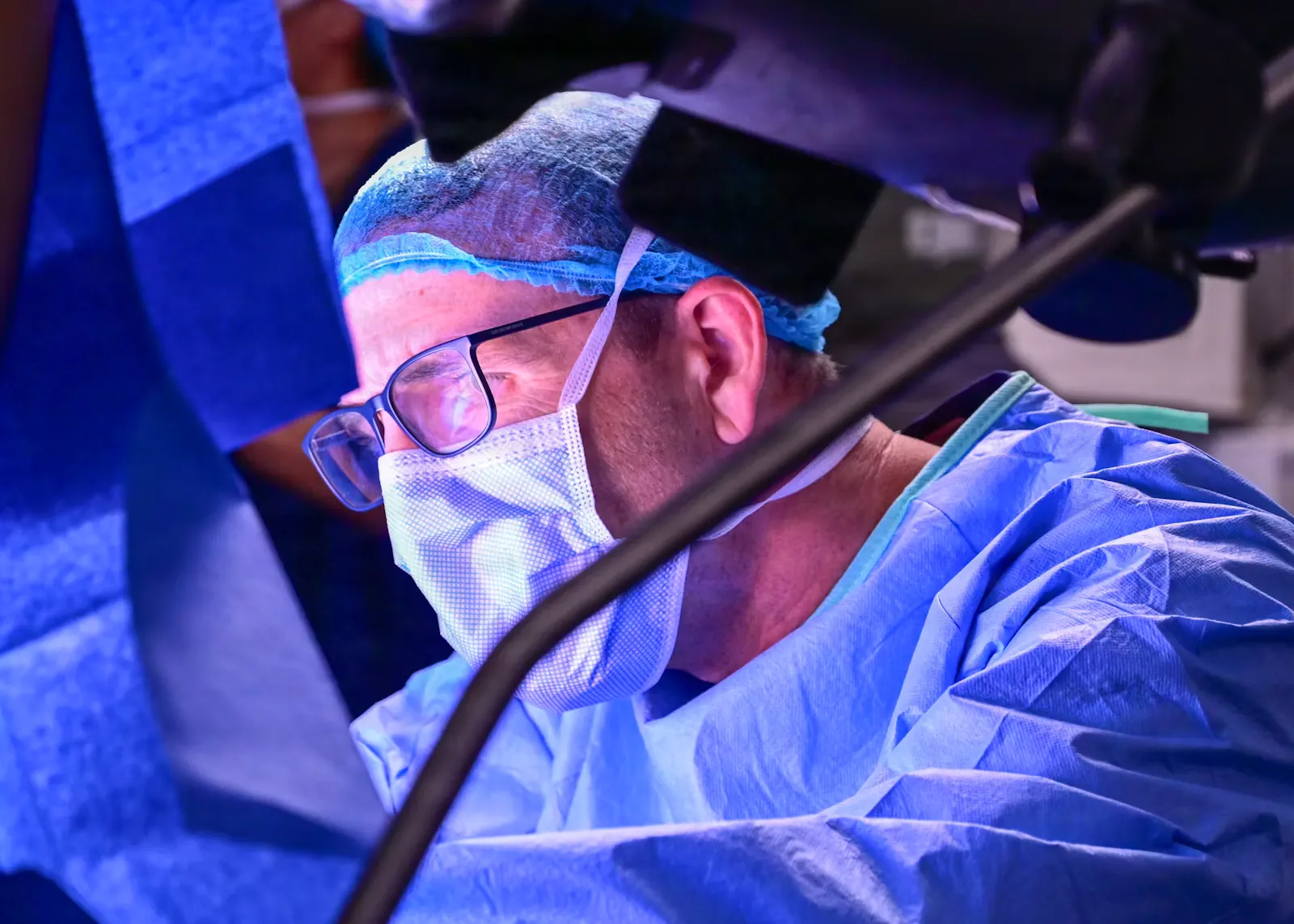
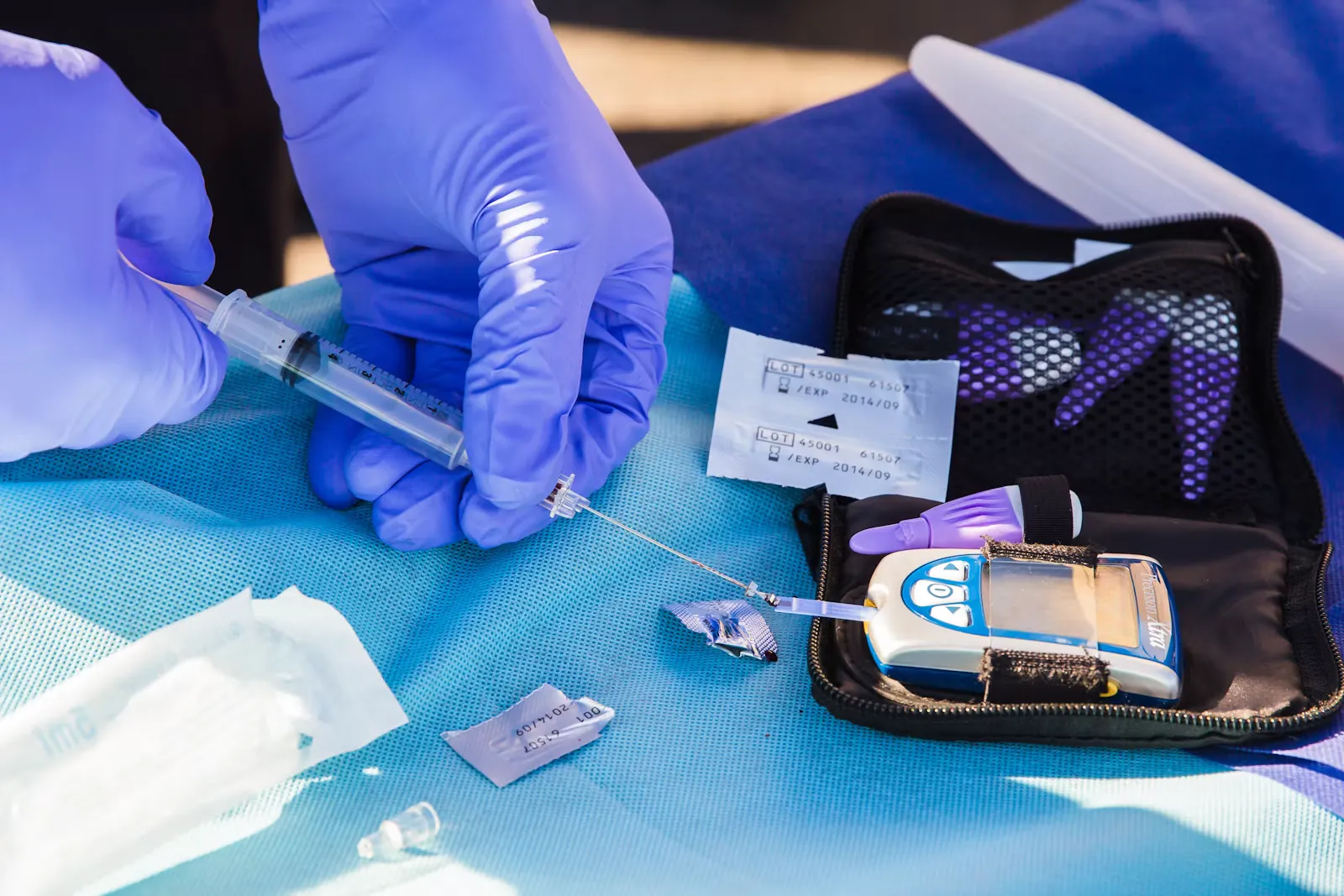
Rotating through multiple operating theatres is at the core of a nursing internship in Sri Lanka.
Life Outside the Hospital: Beaches, Food and New Friends
For most interns, beach afternoons become part of daily life as soon as the hospital shift ends. Shifts usually wrapped up around midday, and from there it was a tuk-tuk ride to Sahana Beach for flunkyball, volleyball and early attempts at surfing — plus a rash guard against sunburn, mango-passionfruit juice and king coconuts. Batu quickly learned that Sri Lankan food goes far beyond curry, from hoppers to kottu roti.
Over a shared plate of kottu, Batu's group struck up a conversation with three locals — music, drinks and a long chat about Buddhism followed. "It's easy to make new friends here," is how he describes the openness he kept running into across Sri Lanka. Spontaneous encounters like that often shape a placement abroad just as much as the clinical work does.
So what does the free time look like beyond the beach?
Which Weekend Trips Are Part of a Nursing Internship in Sri Lanka?
Weekend trips are a fixture for most participants doing a nursing internship in Sri Lanka. At nesting sites like Hikkaduwa, several sea turtle species are under active protection, which is why a dedicated government conservation programme monitors the beaches (Sri Lanka Coast Guard, Turtle Conservation Project).
Mirissa and the Old Doctor House
In Mirissa, the group visited Coconut Tree Hill and the Cheeky Monkeys Beach Club. A few minutes away sits the so-called Doctor House, a historic Dutch-era building that once served medical purposes and today operates as a bar, restaurant, shop and hotel.
Turtle Beach in Hikkaduwa
At Turtle Beach in Hikkaduwa, sea turtles are best spotted early morning or late afternoon, when they come ashore to nest. The Sri Lanka Coast Guard has run a dedicated Turtle Conservation Project since 2016, operating hatcheries across seven coastal sites including Hikkaduwa and nearby Unawatuna; since launch, the programme reports preserving well over 380,000 eggs and releasing more than 250,000 hatchlings back into the ocean (Sri Lanka Coast Guard, Turtle Conservation Project). The beach also works well for swimming and snorkelling.
Hiking in Kandy
After two weeks, the group hiked near Kandy, with views over tea plantations and waterfalls. The Temple of the Sacred Tooth Relic, one of the country's most important religious sites, stood out with its golden roof and quietly spiritual atmosphere. Street food and nightlife followed in the evening.
The Tea Train to Ella
By Batu's recollection, the train ride from Kandy to Ella took roughly six to seven hours, winding past tea plantations, green hills and steep cliffs. The Nine Arch Bridge was the highlight of the route. In Ella, a further hike led up Little Adam's Peak for a panoramic view of Ella Rock.
The Kanneliya Rainforest
A guided walk through the Kanneliya rainforest turned up monkeys, insects and reptiles, including a small green snake, with a waterfall along the way for cooling off. Anyone booking the tour should bring plenty of water and snacks, since some trails run for several hours.
Jeep Safari in Yala National Park
The jeep safari in Yala National Park started at 5:00 a.m. to catch animals during the cooler part of the day. The group spotted elephant herds, several bird species, crocodiles and even a leopard right on the road.
Thinking about your own nursing internship in Sri Lanka? We arrange your placement at Karapitiya Teaching Hospital, including accommodation, on-the-ground support and preparation. Book your free consultation or read more about our nursing internship abroad programme.
Secure Information Material
Request all the important info for free, no obligation.
Safety starts with proper health preparation. Prof. Dr. med. Tomas Jelinek, Medical Director of BCRT Berliner Centrum für Reise- und Tropenmedizin and a WHO consulting expert, advises interns heading to South and Southeast Asia to sort out vaccinations and a travel medical kit just as early as accommodation and visas (BCRT Berlin, Prof. Dr. med. Tomas Jelinek). Comprehensive travel insurance with medical evacuation cover is equally important, since care outside the main cities can be less consistent.
Contrary to what many assume, the biggest risk during a nursing internship is rarely the clinical work itself — it's everyday situations like road traffic, sun exposure or water sports during free time. Good preparation, including insurance, vaccinations and a reliable local contact, measurably lowers that risk, which lines up with what we've seen across earlier participants.
What Batu Took Away From the Experience
A month at Karapitiya Teaching Hospital, one of the Southern Province's largest teaching hospitals, often covers more specialties than a comparable rotation at a single hospital back home. "Even though people in Sri Lanka have far less by Western standards, they seem happier and more positive," is Batu's takeaway after four weeks. On the clinical side, he says rotating through several departments gave him "more exposure in a single month than would have been possible at a hospital back home." Looking back, he regrets only one thing: not going abroad sooner.
If you're planning a nursing internship in Sri Lanka like Batu's, you'll find more first-hand stories on our experience reports page and every current destination on the locations overview. If you're weighing this against other placement formats, our complete guide to medical electives abroad compares nursing internships with clinical clerkships and the practical year.
Frequently Asked Questions
Plan Your Own Nursing Internship in Sri Lanka
Batu's story shows just how much clinical experience and personal growth fit into four weeks. From the neurosurgery theatre at Karapitiya Teaching Hospital to a jeep safari in Yala National Park, the programme combines real clinical depth with a genuine experience abroad.
If you're further along in your studies and want to go deeper, take a look at our clinical clerkship abroad or practical year abroad programmes. Book your free consultation today and start planning your own nursing internship in Sri Lanka.