Malaria Prophylaxis for a Medical Elective Abroad 2026
Celina KöhslMedical student, member of the travel4med team
7. September 2026
15 minutes
Malaria Prophylaxis for a Medical Elective Abroad in 2026
Malaria prophylaxis means taking prescription tablets before, during and after a trip so that a bite from an infected mosquito never turns into malaria. For a medical elective, the honest answer is destination specific: of the four places travel4med sends students, only Zanzibar sits in an area where the US Centers for Disease Control and Prevention (CDC) recommends antimalarial tablets for essentially every traveller. Sri Lanka has been certified malaria free by the World Health Organization since 2016. Bali and Pokhara both sit outside the CDC's listed transmission areas. That does not mean you can skip the conversation. It means you walk into your travel clinic knowing what to ask.
Key Takeaways
One destination, one clear rule: CDC lists malaria transmission in all areas of Tanzania below 1,800 m, which includes Zanzibar, and recommends chemoprophylaxis there (page updated 23 April 2025).
Sri Lanka is different: WHO certified the country malaria free on 5 September 2016, and the CDC destination page carries no malaria section at all.
Bali and Pokhara sit outside the risk map: CDC states there is no malaria transmission in the resort areas of Bali, and none in Kathmandu, Pokhara or on typical Himalayan treks.
The global picture got worse, not better: WHO estimated 282 million malaria cases and 610,000 deaths in 2024, a slight rise on 2023 (World malaria report 2025).
Most people who bring malaria home took nothing: of UK imported cases in 2023 with a known drug history, 667 out of 752 (89%) had taken no chemoprophylaxis at all (UK Health Security Agency).
What is malaria prophylaxis, and who actually needs it?
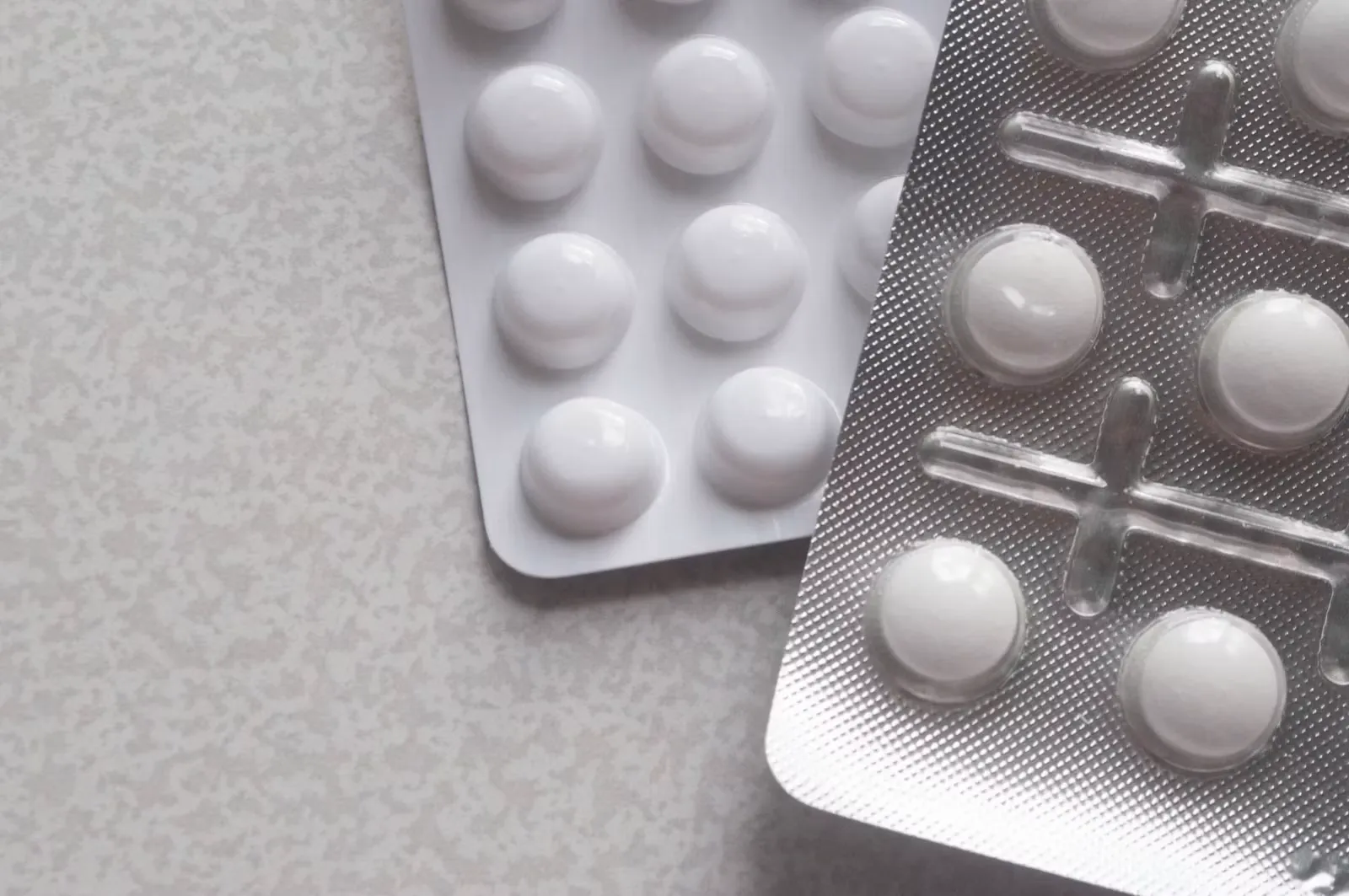
Malaria prophylaxis is a course of prescription medicine that kills malaria parasites in your body before they can make you ill. It is not a vaccine and it is not permanent. You start it before departure, keep taking it on schedule for the whole placement, and continue for a set period after you leave the risk area, because some parasites are still developing in the liver when your flight lands.
Who needs malaria prophylaxis is decided by geography, not by how long you stay or how nice your accommodation is. A travel clinic looks at the exact regions on your itinerary, the season, what you will be doing, and your own medical history. That last part matters more for students than people expect. If you take regular medication, have a history of depression or epilepsy, or are pregnant, some antimalarials are off the table and others become the obvious choice.
The awkward truth for elective students is that a hospital placement is not a beach holiday. You may be commuting daily at dawn and dusk, spending evenings in shared housing with open windows, and travelling inland at weekends. All of that changes your exposure, and none of it shows up on a generic country page. So treat malaria prophylaxis as a decision about your itinerary and your body, not about the country name on your ticket.
Researched and written by the travel4med editorial team, which prepares medical and nursing students for supervised placements in Sri Lanka, Nepal, Bali and Zanzibar.
Ready for your adventure abroad?
Secure your spot for your internship abroad now.
Which travel4med destinations need malaria prophylaxis?
Here is the comparison that most country guides never put side by side. Everything in this table comes from the CDC's Travelers' Health destination pages, all of which were updated on 23 April 2025, plus WHO's certification decision for Sri Lanka.
Destination
CDC malaria transmission status
Chemoprophylaxis per CDC
What that means for your placement
Zanzibar (Tanzania)
All areas below 1,800 m
Recommended: atovaquone-proguanil, doxycycline, mefloquine or tafenoquine
Assume you will be prescribed tablets
Bali (Indonesia)
No transmission in the resort areas of Bali
Not indicated for Bali itself; risk sits in eastern Indonesia, Papua and rural Kalimantan
Bite avoidance yes, tablets usually no
Pokhara (Nepal)
No transmission in Kathmandu, Pokhara or on typical Himalayan treks
Only for areas under 2,000 m in Sudurpashchim and Karnali provinces
Tablets only if you add a lowland trip
Galle (Sri Lanka)
No malaria section on the CDC destination page
Not applicable
WHO certified the country malaria free in 2016
Three of those rows deserve a sentence each, because they are where students get bad information from forums and end up either buying malaria prophylaxis they do not need or skipping the course they do.
Zanzibar is the one where tablets are standard
CDC does not carve Zanzibar out of Tanzania. The transmission area is written as all areas below 1,800 m, and the whole archipelago is coastal. The dominant parasite there is Plasmodium falciparum, the species that causes severe disease, and chloroquine resistance is documented. So for a placement at a hospital in Zanzibar, malaria prophylaxis is a normal part of the packing list rather than an optional extra. If you are heading there, read our practical guide to a clinical clerkship or nursing internship in Zanzibar alongside this one.
Bali and Pokhara are outside the mapped risk areas
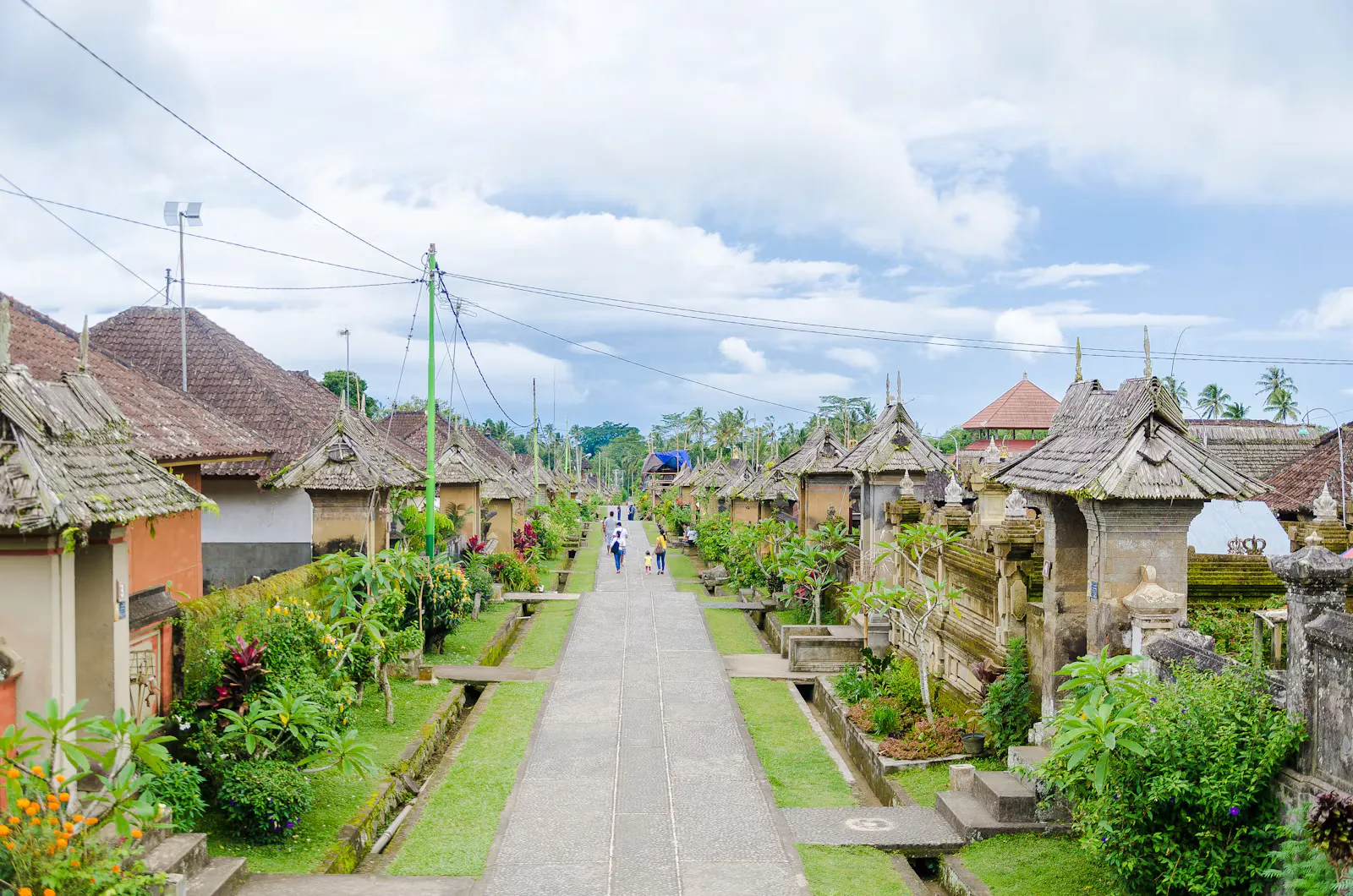
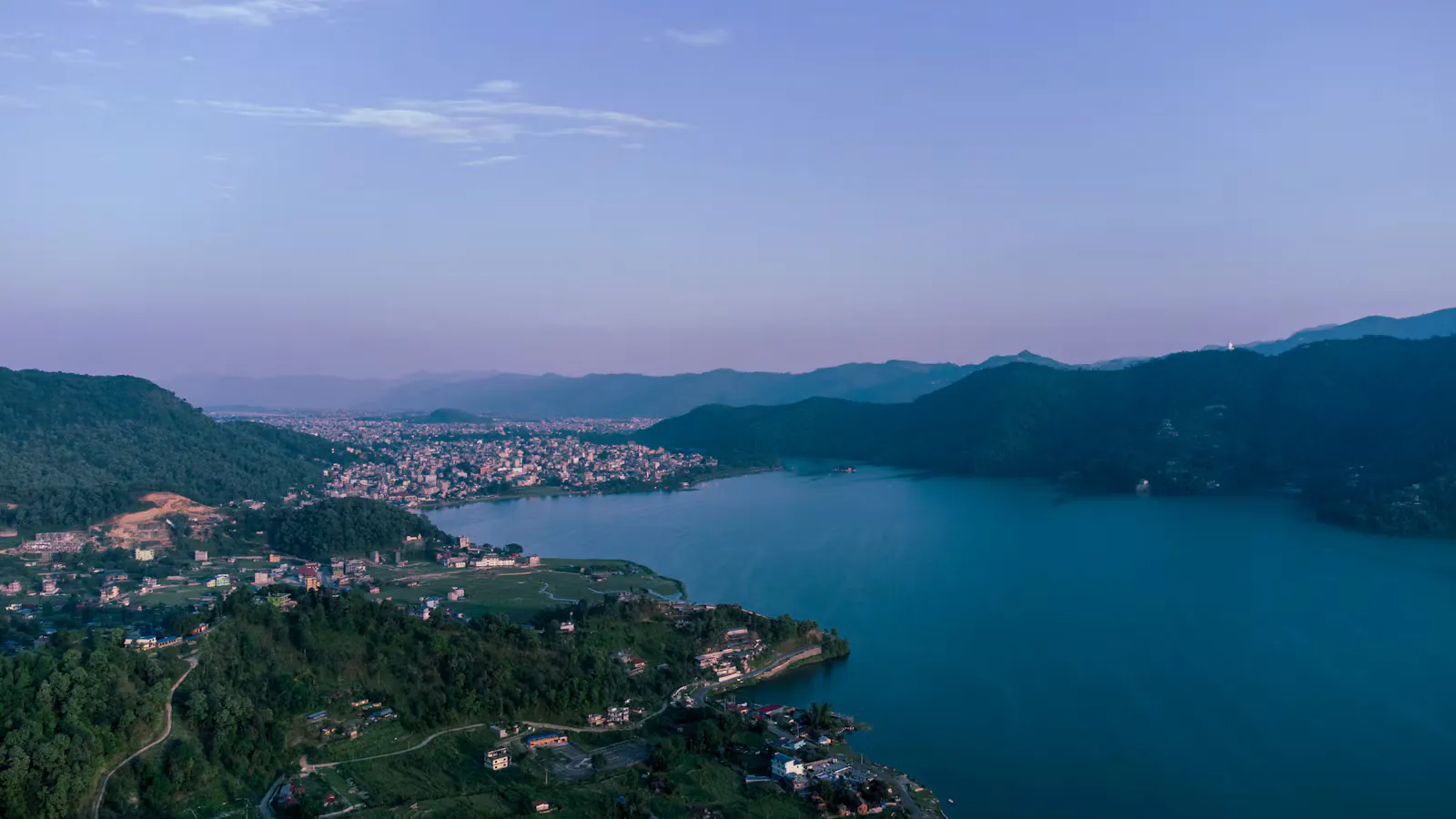
CDC states plainly that there is no malaria transmission in the resort areas of Bali, the Gili Islands, Jakarta or Ubud, and that Indonesia's risk sits in the eastern provinces, rural Kalimantan, Sulawesi and Sumatra. Nepal is the same shape of answer: no transmission in Kathmandu, Pokhara or on the usual trekking routes, with the real risk confined to lowland districts of Sudurpashchim and Karnali. Bali remains available for every placement format we run, including the final-year and practical-year placement, and being off the malaria map is one of the reasons it is an easy first trip. If your plans stay in Ubud, Denpasar or Pokhara, malaria prophylaxis usually will not come up at all. Details for both sit in our Bali clerkship guide and the medical elective in Nepal guide.
Sri Lanka is a genuine public health success story
Sri Lanka reported its last locally acquired case in 2012 and WHO certified it malaria free on 5 September 2016. That certification is why the CDC destination page for Sri Lanka has no malaria section while it still lists dengue, leptospirosis and typhoid. Certification is not immunity, though. Imported cases still arrive, so clinicians there stay alert, and you should still avoid bites even where malaria prophylaxis is not indicated. Our Sri Lanka elective guide covers the rest of the health picture.
How big is the malaria problem in 2026?
Bigger than the news cycle suggests. WHO's World malaria report 2025, published on 4 December 2025, put the global burden at an estimated 282 million cases and 610,000 deaths in 2024, a slight increase on 2023. The same report notes a real success alongside it: since 2000, malaria control has averted an estimated 2.3 billion cases and 14 million deaths, and 47 countries plus one territory are now certified malaria free.
Rising global numbers are the background against which any malaria prophylaxis decision gets made. The traveller-facing numbers are the ones that should change your behaviour. In the UK, the last full year published by the UK Health Security Agency recorded 2,106 imported malaria cases in 2023, the highest annual total since 2001, against a ten-year mean of 1,504. Six people died.
Source: UK Health Security Agency, "Malaria imported into the UK: 2023" (published 3 December 2024). Figures cover the whole UK.
Those cases are not evenly spread across drugs and destinations. They cluster among people who took nothing.
Which antimalarial tablets are used for malaria prophylaxis?
For the destinations on our list, the CDC names four options wherever malaria prophylaxis is indicated: atovaquone-proguanil, doxycycline, mefloquine and tafenoquine. Which one you get is a prescribing decision, not a shopping choice, and it turns on your medical history, the length of your placement, and how well you cope with a daily versus a weekly tablet.
What the evidence does say clearly is that malaria prophylaxis works. UKHSA's report states that when taken correctly, the agents recommended against falciparum malaria (atovaquone-proguanil, doxycycline and mefloquine) are more than 90% effective. The failure mode is almost never the drug. It is the schedule.
The parasite mix also differs by destination, and it is worth knowing because it shapes both the drug choice and what you will see on the wards:
Destination
Species mix per CDC
Drug resistance noted
Tanzania (incl. Zanzibar)
P. falciparum primarily; P. malariae and P. ovale less commonly; P. vivax rare
Chloroquine
Indonesia
P. falciparum 60%, P. vivax 40%; P. knowlesi, P. malariae, P. ovale rare
Chloroquine (P. falciparum and P. vivax)
Nepal
P. vivax primarily; P. falciparum under 10%
Chloroquine
Sri Lanka
No transmission
Not applicable
Why do so many returning travellers get malaria anyway?
Because they never started malaria prophylaxis in the first place. Among UK imported cases in 2023 where the chemoprophylaxis history was known, 667 out of 752 (89%) had taken nothing at all. Only 85 people (11%) had taken any form of prophylaxis, and just 63 of those (8% of the 752) had taken a drug recommended for their destination by the UK Malaria Expert Advisory Group. UKHSA calls that one of the lowest proportions in 23 years.
Source: UK Health Security Agency, "Malaria imported into the UK: 2023" (published 3 December 2024), chemoprophylaxis section. Percentages are of the 752 cases with a known drug history.
Adherence is the other half. Of the 63 who took the right drug, adherence was recorded for 34, and 44% of those said they had not taken it regularly. UKHSA notes that self-reported adherence is subject to recall bias, so treat the exact figure with care. The direction is not in doubt.
Planning a placement in Zanzibar, Nepal, Bali or Sri Lanka? travel4med organises supervised clinical placements at all four, and the preparation call covers practical questions like malaria prophylaxis, insurance and what to pack. Book a free consultation or browse our locations.
Secure Information Material
Request all the important info for free, no obligation.
How do you organise malaria prophylaxis before you fly?
Start earlier than feels necessary. Travel clinics book out, some antimalarials need to be started days before departure, and you want a spare few weeks in case the first drug does not suit you. Work through malaria prophylaxis in this order:
Fix your exact itinerary first. Not "Tanzania" but "Zanzibar, plus four days on the mainland". The mainland detour is often what triggers the prescription.
Book a travel health appointment 4 to 6 weeks before departure. In the UK that is a travel clinic or your GP practice; elsewhere it is your national travel health service or a university health centre. Bring the itinerary and your placement dates.
Bring your medication list and your history. Antidepressants, epilepsy, hormonal contraception, pregnancy plans and previous reactions all change which antimalarial is suitable.
Sort vaccines in the same appointment. Malaria prophylaxis is separate from vaccination, but the timing overlaps, and some vaccines need a course. Our vaccination guide for a medical elective explains what usually comes up.
Collect the full course, not a starter pack. Count the tablets against your departure and return dates, including the post-travel period. Running out on week six is a common and avoidable failure.
Set a phone alarm for the same time every day, or the same day every week. Boring, and it is the single biggest determinant of whether the drug works.
Check your insurance covers the placement itself. A policy that excludes clinical work is no help; see our elective insurance guide.
Slot all of that into the wider countdown in our medical elective application timeline, so the health appointments do not collide with visa and paperwork deadlines.
Bite avoidance is the other half of the job
No malaria prophylaxis is 100% effective, and in Bali, Pokhara and Galle bite avoidance is doing all the work anyway, because dengue and chikungunya have no tablet at all. The practical list is short: repellent on exposed skin, long sleeves and trousers at dawn and dusk, a net over the bed if the room is not screened, and air conditioning or a fan where you can get it. Anopheles mosquitoes bite mainly between dusk and dawn, which is exactly when you are commuting home from a late shift or eating outside.
What if you get a fever on placement or after you get home?
Treat any fever after travel to a malaria area as malaria until a blood test says otherwise, and say where you have been. Malaria can present more than a week after exposure and, with some species, months later. That is why the post-travel part of a malaria prophylaxis course matters and why you should tell any clinician about the trip even if you feel fine now. In one of the six UK deaths in 2023 where the timing was recorded, nine days passed between symptom onset and treatment.
On placement you are surrounded by people who diagnose this for a living, and who will have an opinion on malaria prophylaxis that no website can match. Use them. Ask your supervisor on day one who you would see and where the nearest reliable laboratory is, and put it in your phone. If you want the wider picture of how electives at our sites are structured, start with the medical electives abroad guide.