Medical Electives in Africa: Is Zanzibar Right for You?
Medical electives in Africa are supervised clinical placements that medical, nursing and physician assistant students complete at hospitals in African countries, usually for 2 to 12 weeks. Students pick them because they see tropical and infectious diseases that are rare at home, inside health systems that manage with far fewer staff. With travel4med, medical electives in Africa take place at Lumumba Regional Hospital in Zanzibar, Tanzania, and placements start every Monday.
Researched and editorially reviewed by Nils-Andre Stritt, travel4med. The health and clinical sections were reviewed by MUDr. Amandeep Grewal, a doctor on the travel4med team.
Key Takeaways
One African destination, six formats. We place students at Lumumba Regional Hospital in Zanzibar for nursing placements, clinical placements, medical electives, final-year placements, physician assistant placements and observerships for doctors.
The caseload is the reason to go. The WHO African Region carried 95% of the world's 282 million malaria cases in 2024 and 64% of the 41.0 million people living with HIV at the end of 2025.
Staff are scarce. WHO says the African Region has the lowest density of health workers per 10,000 people and projects a shortage of 5.3 million health workers by 2030.
Health prep is not optional. The CDC recommends malaria tablets for areas of Tanzania below 1,800 m, and our Zanzibar page lists hepatitis A and B, MMR, tetanus, diphtheria, polio and pertussis as required.
Prices start at 1,640 EUR. That includes shared housing, three meals a day and transport to the hospital. Flights, the entry permit, vaccines and insurance are extra.
What are medical electives in Africa?
A medical elective is a block of clinical time you choose yourself, often abroad, as part of your degree. Medical electives in Africa are those placements done at an African hospital. Different schools use different words for it: elective, clerkship, clinical placement, nursing placement. The idea is the same. You join a team, follow ward rounds and clinics, and learn how medicine works in a system very different from your own.
Your home university sets the rules for medical electives in Africa, as for any placement. It decides how long the block must be, whether a placement abroad counts and which forms you bring back. We cannot decide that for you, so speak to your elective office first. Our guide to medical elective approval shows what schools usually ask for, and the medical electives abroad guide covers the basics if electives are new to you.
Africa is a whole continent, not one destination. A month in a big city teaching hospital feels nothing like a month on an island referral hospital. So the useful question is not "should I go to Africa?" but "which hospital, in which country, for which goal?"
Ready for your adventure abroad?
Secure your spot for your internship abroad now.
Why do students choose Africa for an elective?
Three numbers explain most of the appeal of medical electives in Africa. They come from the World Health Organization, and they describe the whole WHO African Region, not one country or one hospital.
Malaria. In 2024 there were 282 million malaria cases and 610,000 malaria deaths worldwide. The African Region accounted for 95% of the cases and 95% of the deaths, and about three in four of those deaths were children under five (WHO, fact sheet of 4 December 2025).
HIV. An estimated 41.0 million people were living with HIV at the end of 2025, and 64% of them lived in the African Region (WHO, fact sheet of 27 July 2026).
Staffing. The African Region has the lowest density of health workers per 10,000 people of any region, and WHO projects a shortage of 5.3 million health workers by 2030 (WHO Regional Office for Africa, 25 November 2022).
The WHO African Region's share of global malaria cases, malaria deaths and people living with HIV. Regional figures, not figures for one country or one hospital.
What does that mean for you? On medical electives in Africa you will likely meet conditions you have only read about, and you will see clinicians make careful decisions with limited tests and beds. That is the real lesson of most medical electives in Africa: clinical reasoning when resources are tight. Our posts on HIV care on a medical elective and tuberculosis on a medical elective go deeper into two of the conditions you may see.
The flip side matters too. A shortage of staff is not an invitation to do more than you are trained for. Our guide to an ethical medical elective abroad explains how to stay within your competence and still be useful.
Zanzibar is a semi-autonomous region of Tanzania in the Indian Ocean, home to about 1.5 million people. Our medical electives in Africa run at Lumumba Regional Hospital (Hospitali ya Mkoa Lumumba), one of the island's central public hospitals. That means you see the care local people actually rely on, not a private clinic for visitors.
What you get
Details from our Zanzibar page (read 19 October 2026)
Hospital
Lumumba Regional Hospital, a central public hospital in Zanzibar
Departments
General and visceral surgery, internal medicine, emergency medicine, gynaecology and obstetrics, orthopaedics and trauma surgery, paediatrics, anaesthesia, infectious diseases and tropical medicine
Formats
Nursing placement, clinical placement, medical elective, final-year placement, physician assistant placement, observership for doctors
Start dates
Every Monday
Housing
Shared travel4med accommodation a few minutes from the Indian Ocean, with pool, three meals a day, laundry, air conditioning and Wi-Fi
Getting to work
Organised transport to the hospital
Language
Swahili locally, English widely used in medical settings
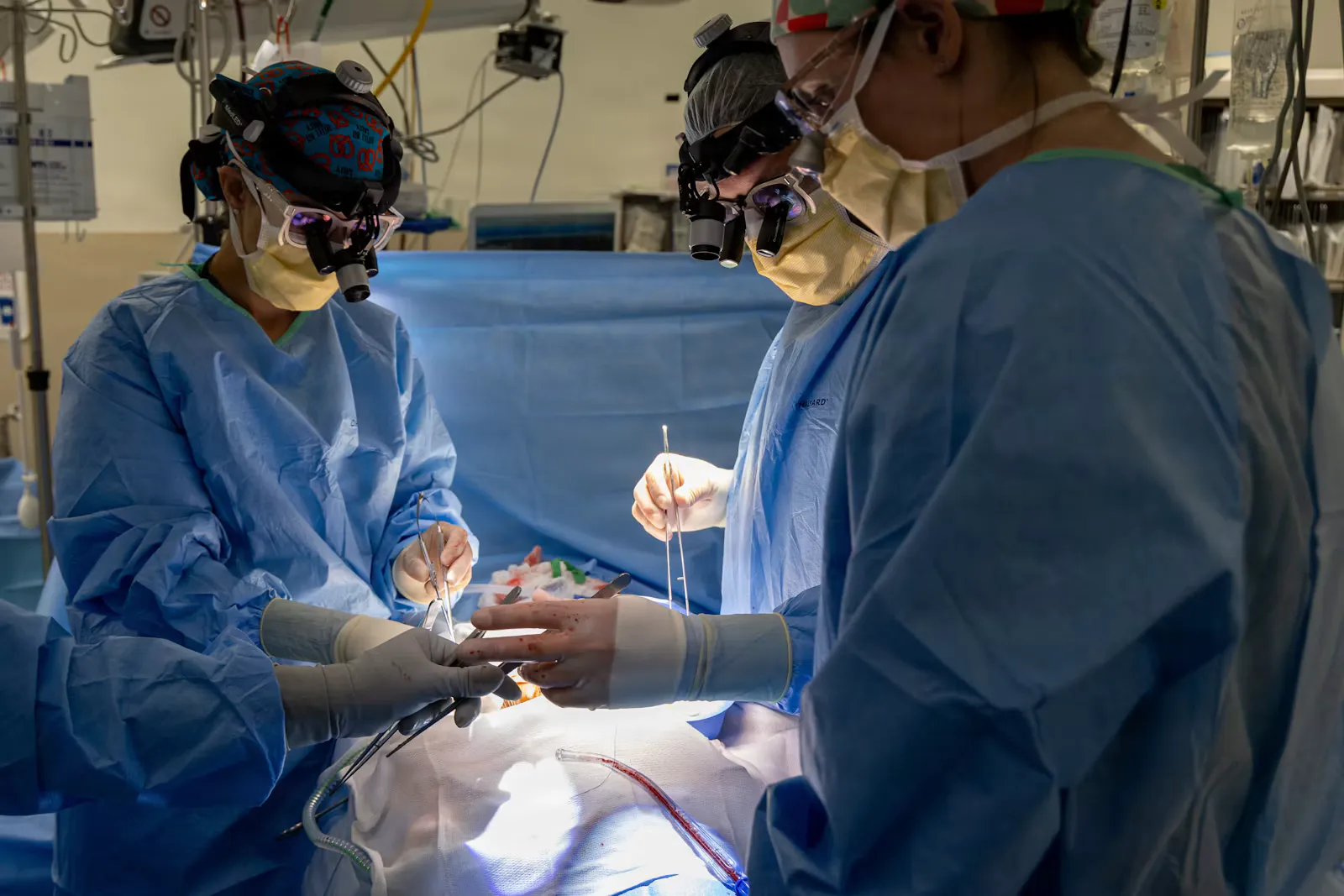
On our medical electives in Africa you are part of everyday clinical work. Our Zanzibar page describes students joining doctors on ward rounds and examinations and, depending on your level of training, in the operating theatre. Regular teaching sessions put the cases in context, so you understand what you see rather than just watching it.
Your first day is organised for you. Our medical coordinator collects you, handles registration and the hospital tour, and gives a medical introduction before you start on the ward.
Language is less of a barrier than many students expect. Swahili is the everyday language, but English is widely used in medical settings. A few Swahili greetings still go a long way with patients, and our post on language barriers on a clinical internship abroad has practical tips.
How should you prepare your health for medical electives in Africa?
Start early for medical electives in Africa, because some vaccine courses need several doses. The CDC's Tanzania page (last reviewed 25 August 2026) recommends prescription malaria prevention for areas below 1,800 m and notes chloroquine resistance, so your travel clinic will choose a different drug such as atovaquone-proguanil, doxycycline, mefloquine or tafenoquine. The CDC also recommends hepatitis A, hepatitis B for unvaccinated travellers under 60, and typhoid for most travellers.
Yellow fever is about your route. The CDC says the vaccine is generally not recommended for travel to Tanzania, but you need a certificate if you arrive from a country with yellow fever risk, including airport layovers of more than 12 hours there.
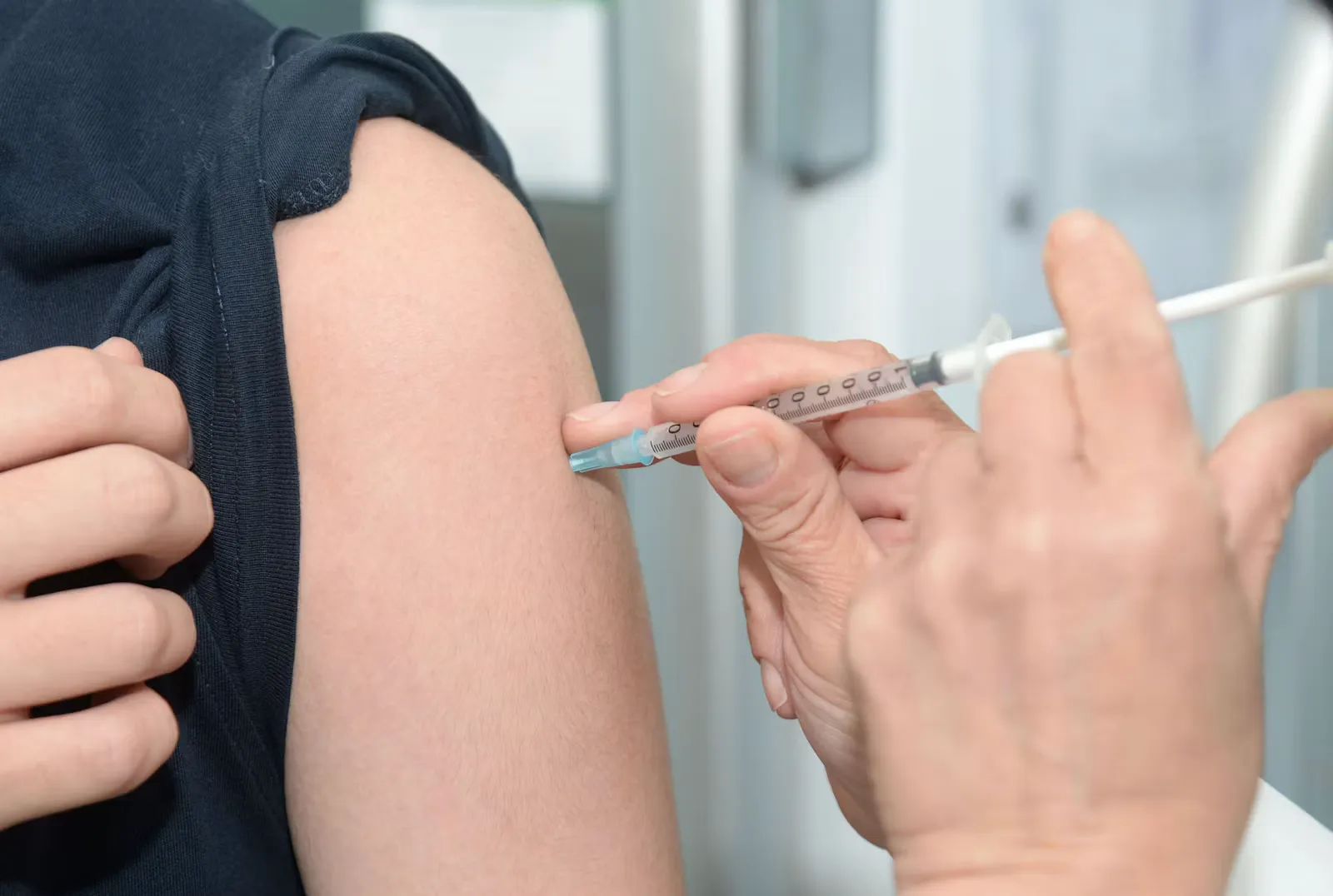
Our Zanzibar page sets the rules for taking part. Required: hepatitis A, hepatitis B, measles, mumps and rubella, tetanus, diphtheria, polio and pertussis. Recommended but optional: rabies, typhoid and dengue, with dengue vaccination only advisable if you have had dengue before. Your own doctor or a travel medicine service decides what is right for you.
Do you need a visa for medical electives in Africa?
Yes. For medical electives in Africa you need permission to enter, and the rules differ by country and by nationality. For Zanzibar you need an entry permit for Tanzania, and Tanzania's Immigration Services Department is the authority that issues it. A hospital placement is not ordinary tourism, even when it is unpaid, so do not assume a tourist entry covers it.
You will not have to work it out alone. After booking, our team goes through the formalities with you and sends a step by step guide that tells you what you need and when. Our Zanzibar placement guide covers arrival on the island in more detail.
What do medical electives in Africa cost with us?
Our Zanzibar placement starts from 1,640 EUR (read on our destination page on 19 October 2026). The price includes shared accommodation with three meals a day, laundry, air conditioning, Wi-Fi and organised transport to the hospital. The final price depends on your length of stay and format, so ask us for the exact figure for your dates.
Budget separately for flights, the Tanzanian entry permit, vaccines and malaria tablets, insurance and spending money. We quote in euros; your own currency and local costs will differ. Our budget guide for a clinical placement abroad helps you build a full plan, and UK students can check elective bursaries that help pay for medical electives in Africa and elsewhere.
Africa vs Asia: comparing our four destinations
Not sure whether medical electives in Africa or Asia suit you better? Here are the starting prices listed on our destination pages on 19 October 2026.
Destination
Region
Starting price
Zanzibar, Tanzania
East Africa
from 1,640 EUR
Bali, Indonesia
Southeast Asia
from 1,720 EUR
Galle, Sri Lanka
South Asia
from 1,499 EUR
Pokhara, Nepal
South Asia
from 1,490 EUR
Among medical electives in Africa and Asia, Zanzibar is the pick if tropical medicine and infectious diseases in an East African public hospital are your goal. Asia offers three different hospitals, and our guide to medical electives in Asia compares them side by side. Season matters as well, so check the best time for a medical elective abroad before you pick dates. All four destinations are on our destinations page.
How do you plan medical electives in Africa step by step?
Check your school's rules. Ask your elective office about the minimum length, the paperwork and whether a placement abroad counts.
Pick your goal and format. Decide what you want to learn, then choose a nursing placement, clinical placement, medical elective, final-year placement, physician assistant placement or observership.
Talk to us. Book a free consultation to confirm the department, your dates and the exact price.
See a travel clinic early. Get the required vaccines, a malaria plan and a check of your route for yellow fever rules.
Arrange entry and insurance. Follow our step by step guide for the Tanzanian entry permit and buy insurance that covers clinical work.
Prepare your learning plan. Write down what you want to see and do, so your supervisor knows how to help you.
Ready to plan your medical elective in Africa? We organise nursing placements, clinical placements, medical electives, final-year placements, physician assistant placements and observerships at Lumumba Regional Hospital in Zanzibar, and the same formats in Sri Lanka, Nepal and Bali, with housing, meals and local support. Book a free consultation or compare all destinations. travel4med is part of the futuredoctor group ecosystem, which supports students from application to graduation.
travel4med. Zanzibar destination page: hospital, departments, formats, inclusions, vaccination requirements, starting prices for all four destinations: travel4med.com/destinations/zanzibar (accessed 19 October 2026).
World Health Organization. Malaria fact sheet, 4 December 2025: who.int (accessed 19 October 2026).
World Health Organization. HIV and AIDS fact sheet, 27 July 2026: who.int (accessed 19 October 2026).
WHO Regional Office for Africa. WHO convenes Africa regional policy dialogue on investment and protection of health workforce, 25 November 2022: afro.who.int (accessed 19 October 2026).
Centers for Disease Control and Prevention. Travelers' health, Tanzania, last reviewed 25 August 2026: wwwnc.cdc.gov (accessed 19 October 2026).
Immigration Services Department, United Republic of Tanzania: immigration.go.tz (accessed 19 October 2026).