Medical Electives in Asia: Sri Lanka, Nepal or Bali?
Celina KöhslMedical student, member of the travel4med team
13. October 2026
13 minutes
Medical Electives in Asia: Sri Lanka, Nepal or Bali?
Medical electives in Asia are supervised clinical placements that medical, nursing and physician assistant students complete at hospitals in Asian countries, usually for 2 to 12 weeks. With travel4med, electives in Asia mean three choices: Galle in Sri Lanka, Pokhara in Nepal and Bangli in Bali. The short answer: Sri Lanka is the lowest priced and the broadest in specialties, Nepal suits emergency and surgical interests in a mountain setting, and Bali offers a university teaching hospital with a clear application timeline.
Researched and editorially reviewed by Nils-Andre Stritt, travel4med. The health section was reviewed by MUDr. Amandeep Grewal, a doctor on the travel4med team.
Key Takeaways
Three Asian destinations. We place students in Galle (Sri Lanka), Pokhara (Nepal) and at RSU Bangli in Bali, a teaching hospital affiliated with Udayana University.
Prices differ by about 600 EUR a month. A clinical elective of about four weeks (32 days) costs 3,190 EUR in Sri Lanka, 3,290 EUR in Nepal and 3,790 EUR in Bali, each with accommodation and three meals a day.
A tourist entry is not automatically enough. Indonesia has a dedicated academic internship visa (C22A), Nepal asks non-tourists to change their visa category, and Sri Lanka bars visit visa holders from unpaid work too.
Health prep differs. The CDC reports no malaria transmission in Pokhara or the resort areas of Bali, while malaria is a risk in some parts of Sri Lanka.
Every format works in all three. Nursing placements, clinical electives, final-year placements, physician assistant placements and observerships for doctors are open in Sri Lanka, Nepal and Bali.
What are medical electives in Asia?
A medical elective is a block of clinical time that you choose yourself, often abroad, inside your degree. Electives in Asia are simply those placements done at hospitals in Asian countries. Your home university decides how long the block lasts, whether it counts, and what paperwork you bring back. We cannot decide that for you, so check with your faculty's elective office before you book anything.
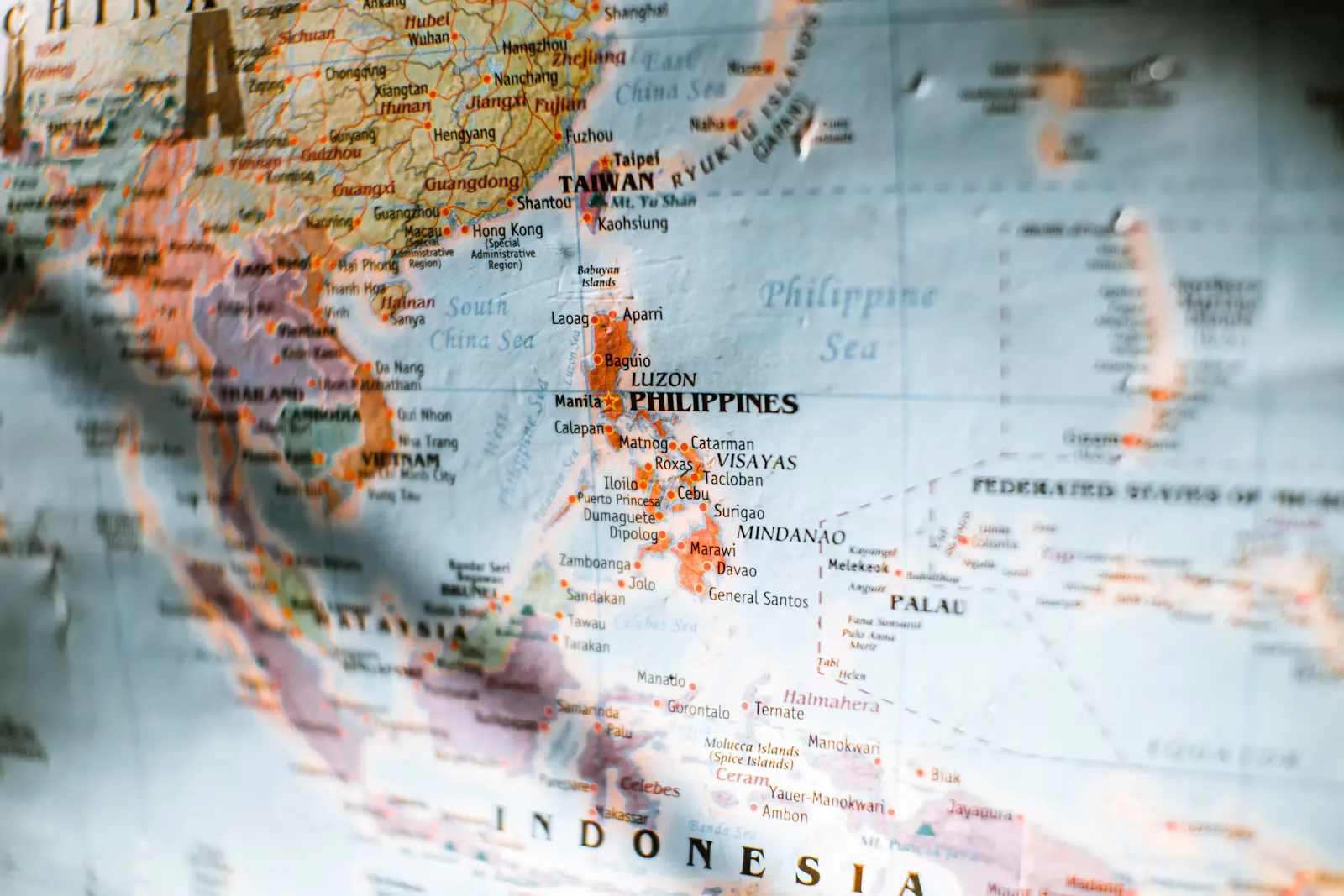
What makes electives in Asia attractive is the mix: high patient numbers, diseases you rarely see at home, and a cost of living that keeps a month abroad affordable. The catch is that "Asia" is huge. A month in a busy South Asian teaching hospital feels nothing like a month in Southeast Asia, so compare destinations, not the continent.
If electives are new to you, our medical electives abroad guide explains the basics. This post does one job: it puts our three Asian destinations side by side so you can pick one.
Ready for your adventure abroad?
Secure your spot for your internship abroad now.
Which countries can you choose for electives in Asia with travel4med?
We run electives in Asia in three places, and all three start on a Monday:
Galle, Sri Lanka. Departments on our destination page include neurosurgery, orthopaedics, general and visceral surgery, vascular and transplant surgery, plastic surgery, gynaecology and obstetrics, paediatric cardiology, psychiatry, forensic medicine and Ayurvedic medicine, plus internal medicine, paediatrics, anaesthesia and emergency medicine. You live in the travel4med villa with a pool. Read the full medical elective in Sri Lanka guide.
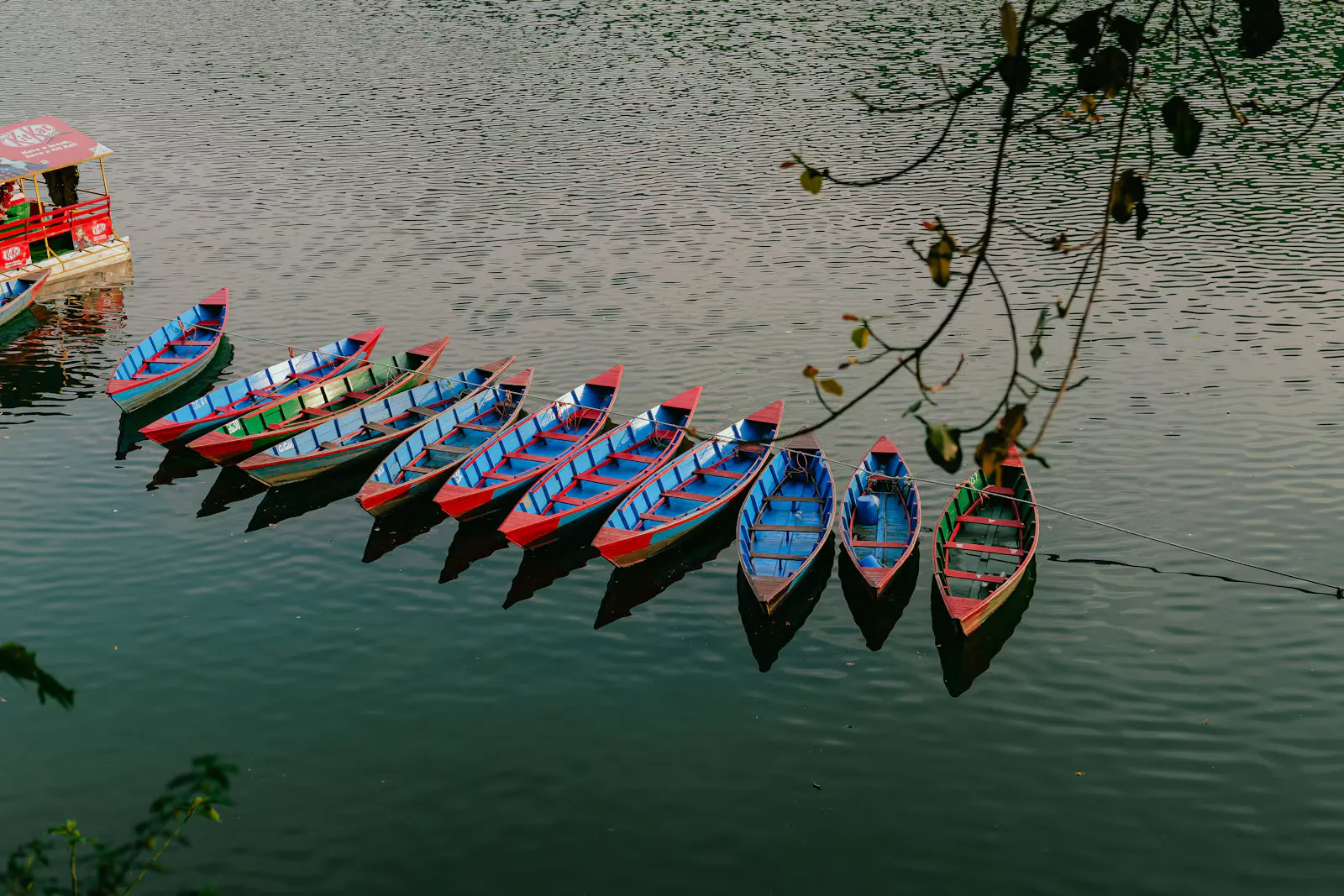
Pokhara, Nepal. Emergency medicine, cardiology, general and visceral surgery, orthopaedics and trauma surgery, neurosurgery, gynaecology, nephrology and urology are listed. You share a house with a mountain view. Our medical elective in Nepal guide goes country deep.
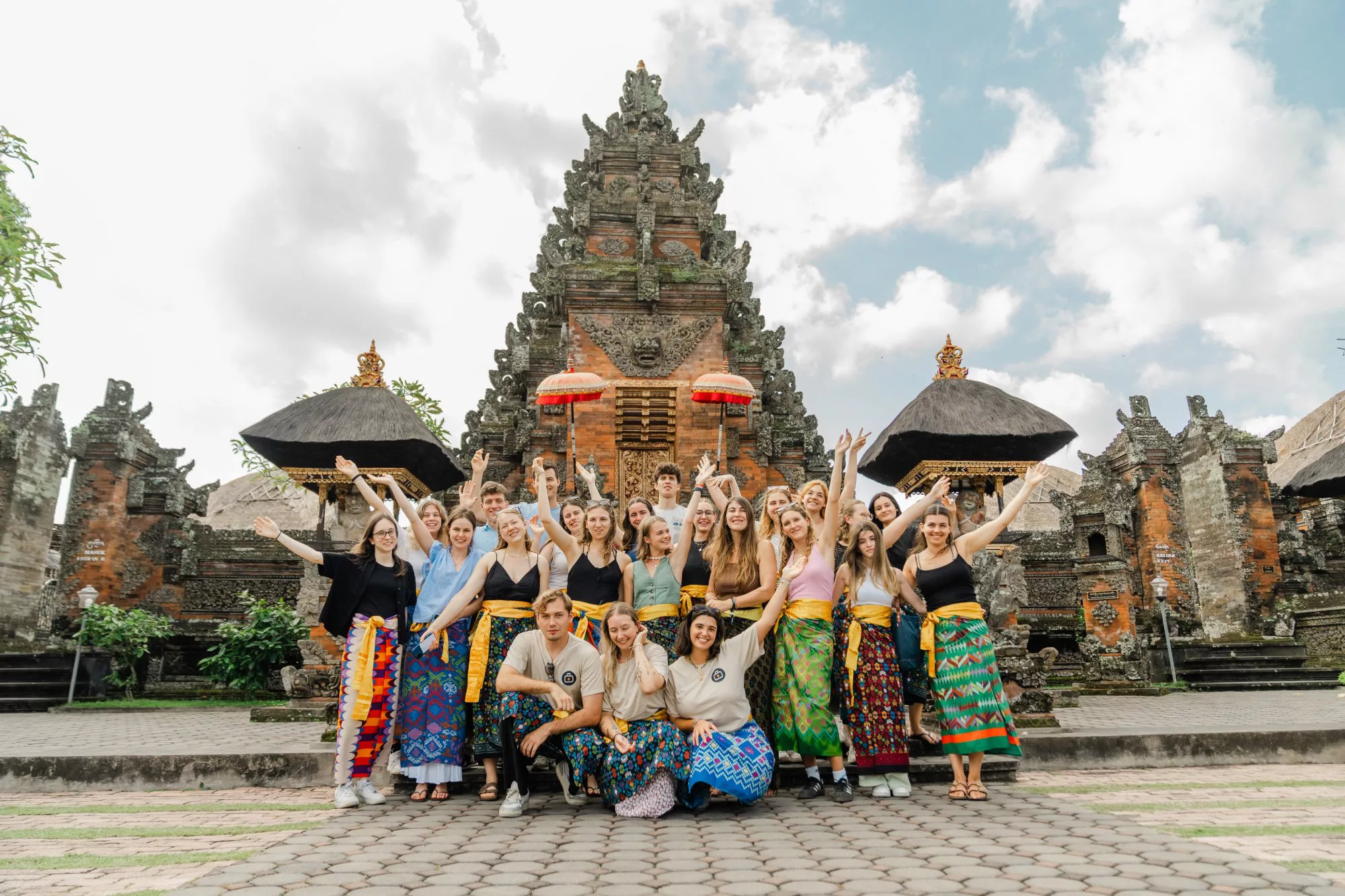
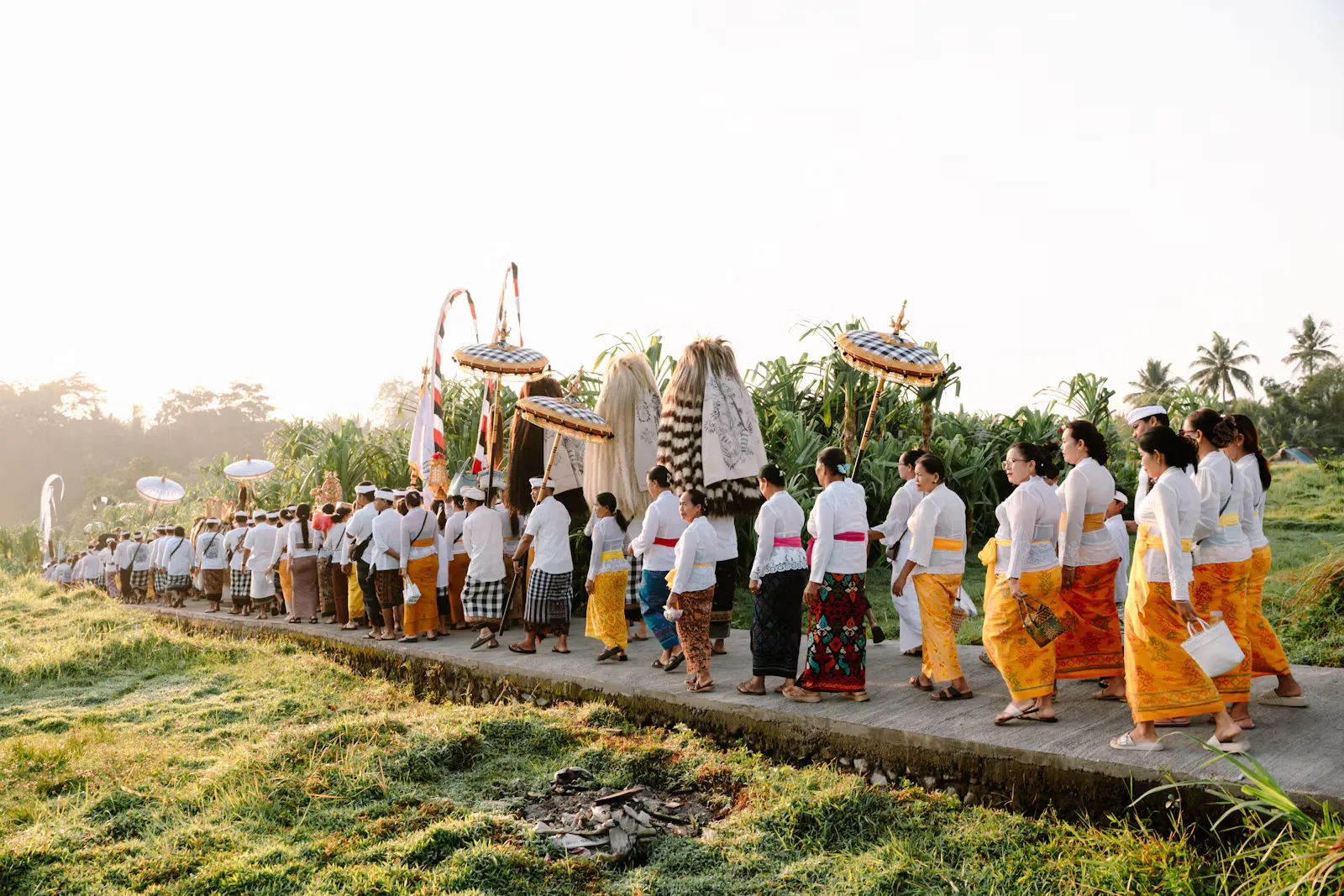
Bangli, Bali (Indonesia). RSU Bangli is an academic teaching hospital affiliated with Udayana University. Medical students are registered as elective students and join the ward and the operating room; premedical students are registered as observers. See our clinical clerkship in Bali guide.
Our destinations overview shows the same three places next to Zanzibar, our only site outside Asia.
Sri Lanka, Nepal or Bali: how do these electives in Asia compare?
The table below compares the three electives in Asia on the points students ask about most. Every row comes from our own destination pages, read on 13 October 2026, except the visa row, which comes from each country's immigration authority.
Galle, Sri Lanka
Pokhara, Nepal
Bangli, Bali
About 2 weeks (17 days)
2,190 EUR
2,290 EUR
2,790 EUR
About 4 weeks (32 days)
3,190 EUR
3,290 EUR
3,790 EUR
About 12 weeks (92 days)
7,490 EUR
7,990 EUR
8,990 EUR
Housing
Villa with pool, air conditioning
House with mountain view
Pool, air conditioning, yoga
Language
Sinhala and Tamil official, English widely spoken in tourism
Nepali official, English widely understood in cities
Ask us for your department
Specialty strengths
Widest list, incl. forensic and Ayurvedic medicine
Emergency, cardiology, surgery
University teaching hospital, surgery incl. neurosurgery
Apply ahead
Ask us
Ask us
Medical students at least 3 months
Entry for a placement
Not a visit visa: ask your host for the category
Change from tourist visa to the right category
C22A academic internship visa
Prices are per person in EUR and include accommodation, three meals a day, laundry and Wi-Fi. Your own currency, exchange rate and flight route change the real total, so read our cheap medical electives guide for the extra costs.
Weekends matter too. Each of our Asian destinations comes with shared housing and free time, so pick the place you also want to explore.
What do electives in Asia cost with us?
Sri Lanka is the lowest priced of our electives in Asia and Bali the highest, with Nepal close to Sri Lanka. The gap grows with time: 100 EUR between Sri Lanka and Nepal for 17 days, but 500 EUR for 92 days. Bali costs 600 EUR more than Sri Lanka for about four weeks and 1,500 EUR more for about twelve.
Prices for a clinical elective per person, including accommodation, three meals a day, laundry and Wi-Fi. Flights, visa fees, vaccines and insurance come on top.
Per day, longer is cheaper everywhere. In Sri Lanka, 17 days work out at about 129 EUR a day and 92 days at about 81 EUR a day. A short observership for doctors starts at 1,499 EUR in Sri Lanka, 1,590 EUR in Nepal and 1,790 EUR in Bali for 7 days.
Which visa do you need for electives in Asia?
Visa rules turn on purpose, not on how long you stay. A hospital placement is not tourism, even when it is unpaid, and each of the three countries says so in its own way. Requirements also vary by nationality, so treat this as a map, not as your answer.
Sri Lanka. The Department of Immigration and Emigration states that visit visa holders should not engage in any form of employment, paid or unpaid, other than what is specified, and lists residence visas for special purposes, including a student category. Ask your host in writing which category your placement needs.
Nepal. The Nepal Tourism Board lists multiple entry tourist visas at 30 US dollars for 15 days, 50 for 30 days and 125 for 90 days. People who come for a purpose other than tourism still enter on a tourist visa, then change the visa category with the Department of Immigration according to their purpose and length of stay.
Bali (Indonesia). The C22A academic internship visit visa covers an internship at an educational institution, company or other place that meets an academic requirement of education abroad. It is single entry, allows up to 180 days, needs a sponsor who applies through the official eVisa system, and costs 3,000,000 rupiah for 60 days or 4,000,000 rupiah for 180 days.
For Bali, our destination page says your place is confirmed once your acceptance letter and visa are available, which is one reason we ask medical students to apply at least 3 months ahead.
Secure Information Material
Request all the important info for free, no obligation.
How should you prepare your health for electives in Asia?
All three destinations share the basics. The CDC recommends hepatitis A for unvaccinated travellers and typhoid for most travellers to Sri Lanka, Nepal and Indonesia, and it reports that dogs infected with rabies are commonly found in all three. After that, the differences matter:
Malaria. The CDC says malaria is a risk in some parts of Sri Lanka. It reports no malaria transmission in Kathmandu, Pokhara or on typical Himalayan treks, and none in the resort areas of Bali.
Rabies vaccine access. In Sri Lanka, rabies vaccines are typically not readily available after an exposure, according to the CDC. In Nepal they may only be available in larger urban facilities, while in Indonesia they are typically available in most of the country. Discuss pre-exposure vaccination with your doctor.
Japanese encephalitis. The CDC recommends the vaccine for people who spend a month or more in an affected area and not for short urban trips, so a 12-week elective changes the conversation.
How do you choose between the three electives in Asia?
Answer these five questions in this order and the choice usually makes itself:
Confirm the rules at home. Ask your elective office about the minimum length, the supervisor's qualification and the forms you need. That fixes your dates and duration.
Pick your specialty first. If you want forensic medicine, Ayurvedic medicine or the widest list, Sri Lanka leads. For emergency medicine and cardiology, Nepal lists both. For a university teaching hospital with surgery, look at Bali.
Set your budget. Compare the 17, 32 and 92 day prices above, then add flights, visa fees, vaccines and insurance.
Check the visa route for your passport. Use the official sources below and get the category confirmed in writing before you buy a flight.
Talk to us. Book a free consultation and we check availability in your department and dates, then send the documents you need.
Is Asia the right region, or is Zanzibar a better fit?
Electives in Asia suit you if you want a big teaching hospital, a lower cost of living and a culture very different from home. Zanzibar, our East African destination, is the alternative if tropical medicine in an African setting is your goal. A four-week elective there costs 3,590 EUR on our destination page, between Nepal and Bali. Our Zanzibar guide covers it in depth.
Season matters as well. The monsoon reaches each destination at a different time, and our guide on the best time for a medical elective abroad lines up the rainy seasons month by month.
German speaking readers can find more on our partner hospital in Bali on travel4med.de, in German: Krankenhaus auf Bali. The German site also has a guide to placements in Nepal written for German students.
Ready to plan one of our electives in Asia? We organise clinical electives, nursing placements, final-year placements, physician assistant placements and observerships in Sri Lanka, Nepal and Bali, with accommodation, meals and local support. Book a free consultation or compare all destinations. travel4med is part of the futuredoctor group ecosystem, which supports students from application to graduation.
travel4med. Destination pages with departments, inclusions and prices: Sri Lanka, Nepal, Bali, Zanzibar (accessed 13 October 2026).
Department of Immigration and Emigration, Sri Lanka. General information on visa: immigration.gov.lk (accessed 13 October 2026).
Nepal Tourism Board. Tourist visa information: ntb.gov.np (accessed 13 October 2026).
Directorate General of Immigration, Republic of Indonesia. C22A Visa Kunjungan Pemagangan Akademik (academic internship visit visa), in Indonesian: imigrasi.go.id (accessed 13 October 2026).
Centers for Disease Control and Prevention. Travelers' health, Sri Lanka, page last reviewed 25 August 2026: wwwnc.cdc.gov (accessed 13 October 2026).
Centers for Disease Control and Prevention. Travelers' health, Nepal, page last reviewed 25 August 2026: wwwnc.cdc.gov (accessed 13 October 2026).
Centers for Disease Control and Prevention. Travelers' health, Indonesia, page last reviewed 25 August 2026: wwwnc.cdc.gov (accessed 13 October 2026).