Typhoid Vaccine for a Medical Elective: Do You Need It?
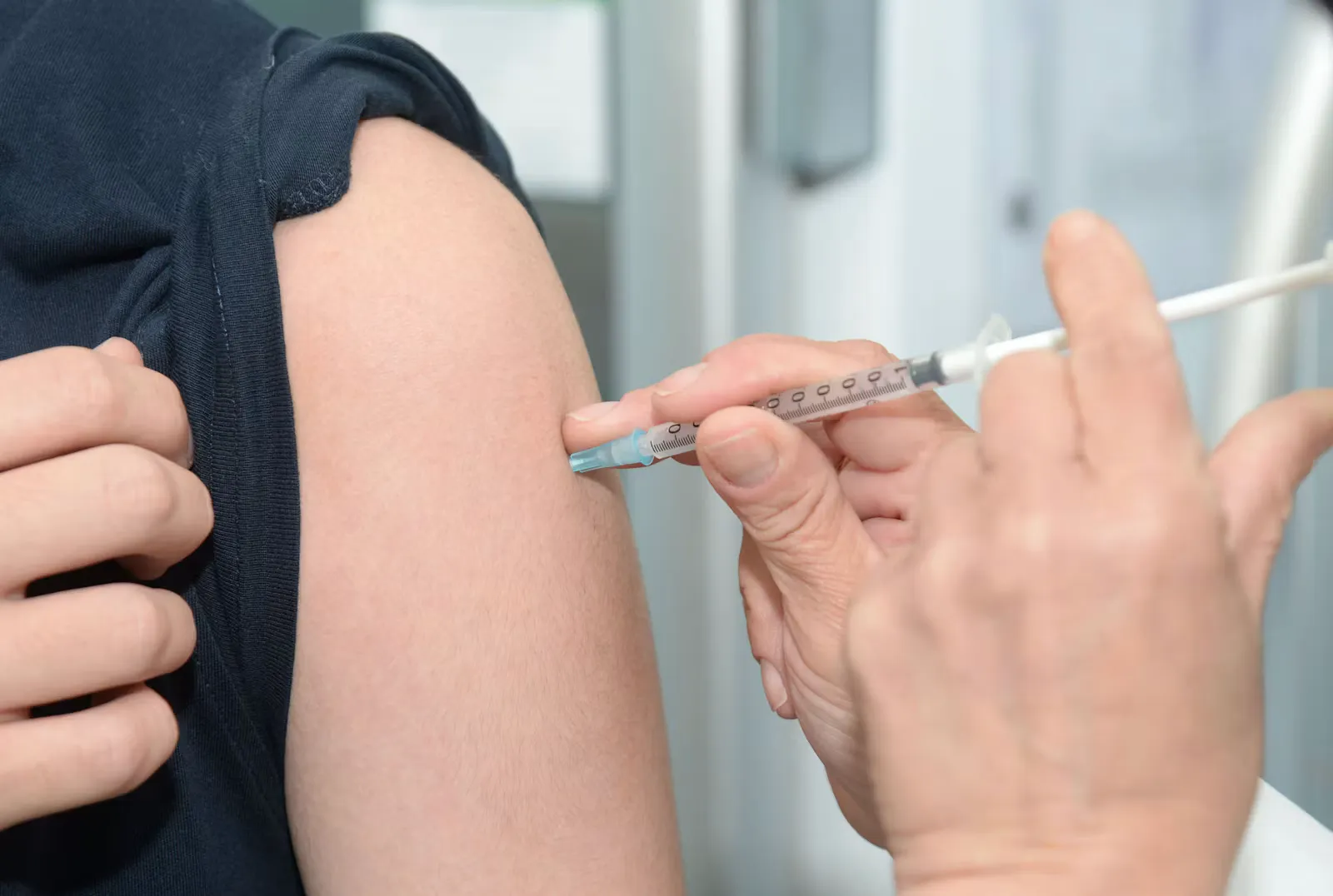
A typhoid vaccine is a jab or a short course of capsules that trains your immune system against Salmonella Typhi, the bacterium behind typhoid fever. For a medical elective in Sri Lanka, Nepal, Bali or Zanzibar, the answer is usually yes: the CDC recommends typhoid vaccination for most travellers to all four countries. It protects you partly, not fully, so food and water habits still count.
Researched and editorially reviewed by Nils-Andre Stritt, travel4med. The medical content was reviewed by MUDr. Amandeep Grewal, a doctor on the travel4med team.
Key Takeaways
Most elective students are advised to get it. The CDC lists typhoid as "recommended for most travelers" to Sri Lanka, Nepal, Indonesia and Tanzania, and our destination pages list it as recommended.
Two main options. In the UK, the injectable Vi vaccine is one dose; the oral Ty21a vaccine is three capsules on days 0, 2 and 4.
Protection is partial. UK Green Book figures range from 48% for the oral vaccine to 75% for the injection in a Nepal trial, so safe food and water still matter.
Plan about three years of cover. Both vaccines need a booster every three years if you stay at risk.
Your doctor decides. A travel clinic checks your route, other vaccines, antibiotics and malaria tablets before choosing the right typhoid vaccine.
What is the typhoid vaccine?
The typhoid vaccine is a preventive vaccine against typhoid fever, a bloodstream infection caused by Salmonella Typhi. You catch typhoid by swallowing food or water contaminated with the bacteria. The WHO estimates about 9 million cases and about 110,000 deaths a year worldwide, based on 2019 figures, mostly where safe water and sanitation are lacking.
Typhoid is not a mild tummy bug. The WHO describes prolonged high fever, fatigue, headache, nausea, abdominal pain and constipation or diarrhoea. According to the UK Green Book, the incubation period usually runs 10 to 20 days, with a range of 3 to 56 days. So you can feel fine for your whole elective and fall ill after you get home.
Three kinds of typhoid vaccine exist worldwide, says the UK Green Book: an injectable Vi polysaccharide vaccine, an oral live vaccine called Ty21a, and a newer conjugate vaccine. The 2022 Green Book chapter notes that the conjugate vaccine was not licensed in the UK, so UK travel clinics offered the first two. What your own country stocks may differ, so ask your clinic which typhoid vaccine it offers.
One honest limit: there is no vaccine for paratyphoid fever, a similar illness. TravelHealthPro, the UK's national travel health service, points out that typhoid vaccines protect only against typhoid.
Ready for your adventure abroad?
Secure your spot for your internship abroad now.
Do you need a typhoid vaccine for a medical elective?
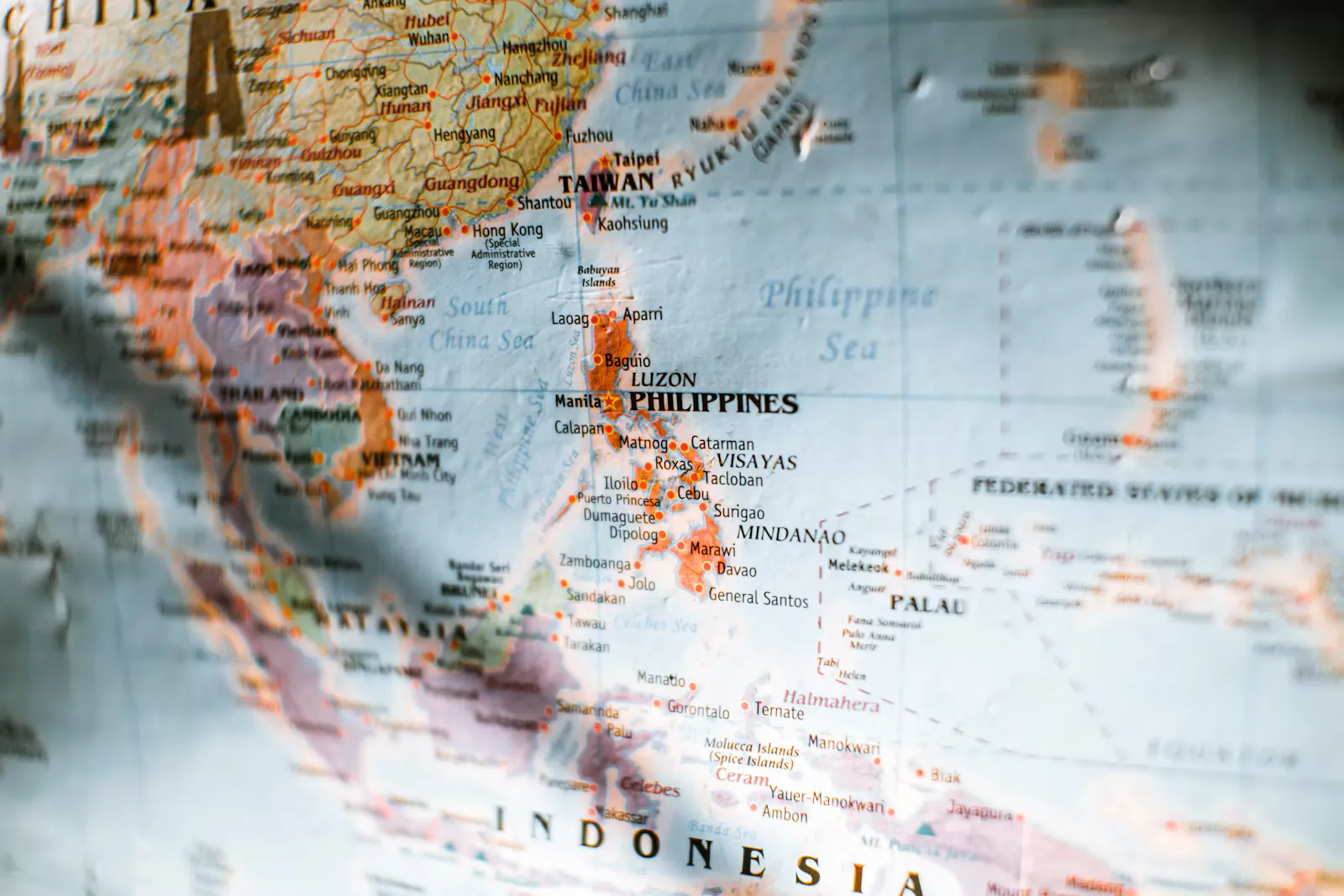
For most students, yes. The CDC destination pages for Sri Lanka, Nepal, Indonesia and Tanzania, all reviewed on 25 August 2026, list typhoid as "recommended for most travelers". Our own destination pages for Galle, Pokhara, Bangli and Zanzibar list typhoid as recommended but optional, and leave the final call to your own doctor.
Why does a hospital placement raise the question at all? The risk is mostly not your patients. It comes from where you eat and drink. The Green Book recommends the typhoid vaccine for travellers whose plans put them at higher risk, and names long-stay travellers to areas where sanitation and food hygiene are likely to be poor. A four to twelve week elective, with street food on the way home from the ward, fits that description for many students.
Here is what each destination page and the CDC say, read on 15 October 2026:
Destination
Our destination page
CDC traveller page
Galle, Sri Lanka
Typhoid listed as recommended but optional
Recommended for most travellers
Pokhara, Nepal
Typhoid listed as recommended but optional
Recommended for most travellers
Bangli, Bali (Indonesia)
Typhoid listed as recommended but optional
Recommended for most travellers
Zanzibar (Tanzania)
Typhoid listed as recommended but optional, plus malaria prophylaxis
Recommended for most travellers
The table is a starting point, not a prescription. Your travel clinic weighs your route, length of stay, health and earlier vaccines. For the full jab list (hepatitis B, MMR, rabies and more), see our guide to vaccinations for a medical elective abroad.
Injection or capsules: which typhoid vaccine suits you?
Both work, and neither is clearly better for every student. The injection is one visit and fits almost everyone. The capsules avoid a needle but need a tight schedule and some care with antibiotics and malaria tablets. The table compares them using the UK Green Book, chapter 33.
Vi injection
Oral Ty21a capsules
Type
Inactivated polysaccharide, no live bacteria
Live, weakened bacteria in enteric coated capsules
Doses
One 0.5 ml injection
Three capsules, on days 0, 2 and 4
When protection builds
Antibodies rise within 7 days, peak at about one month
Starts about 7 to 10 days after the third capsule
Booster if still at risk
One dose every 3 years
Three capsules every 3 years
Combined option
Also available combined with hepatitis A
No
Not suitable for
Anyone with confirmed anaphylaxis to a Vi vaccine
Immunosuppressed people, including people with HIV
The capsules come with practical rules. The Green Book says you take each one about an hour before a meal with a cold or lukewarm drink, and you don't chew it. Don't start them within three days of finishing antibiotics, and don't start antibiotics within three days of the last capsule.
Malaria tablets matter too, especially for Zanzibar. The Green Book says atovaquone and proguanil can be taken alongside Ty21a, mefloquine needs a 12 hour gap, and for other antimalarials you leave at least three days between the last capsule and the first tablet. If that sounds fiddly, the injection is the simple route. Our malaria prophylaxis guide explains which destinations need tablets at all.
Already need hepatitis A? Ask about the combined typhoid and hepatitis A vaccine. It saves you an injection. The Green Book lists it for people aged 16 and older.
How well does the typhoid vaccine work?
The typhoid vaccine lowers your risk a lot, but not to zero. The UK Green Book reports 75% efficacy for the Vi injection at 20 months in a Nepal field trial, 55% over three years in a South African trial in children, and 48% for the oral vaccine over 2.5 to 3 years in a Cochrane review.
Efficacy of typhoid vaccines in field trials and a Cochrane review, as reported in the UK Green Book, chapter 33 (UKHSA, 2022).
Two more points from the Green Book help you read those numbers. Protection can be weaker if you swallow a large dose of bacteria. And antibodies after the injection last about three years, which is why the booster interval is three years.
Why bother with a vaccine that is not perfect? Because treatment is getting harder. The WHO notes that antimicrobial resistance in typhoid is common, and the Green Book describes an outbreak of extensively drug resistant typhoid in Pakistan that resisted third generation cephalosporins. With prompt, suitable antibiotics, the death rate is under 1%, but it can reach 20% without treatment, the Green Book says. Our post on antibiotic resistance on a medical elective explains what that means on the wards you will see.
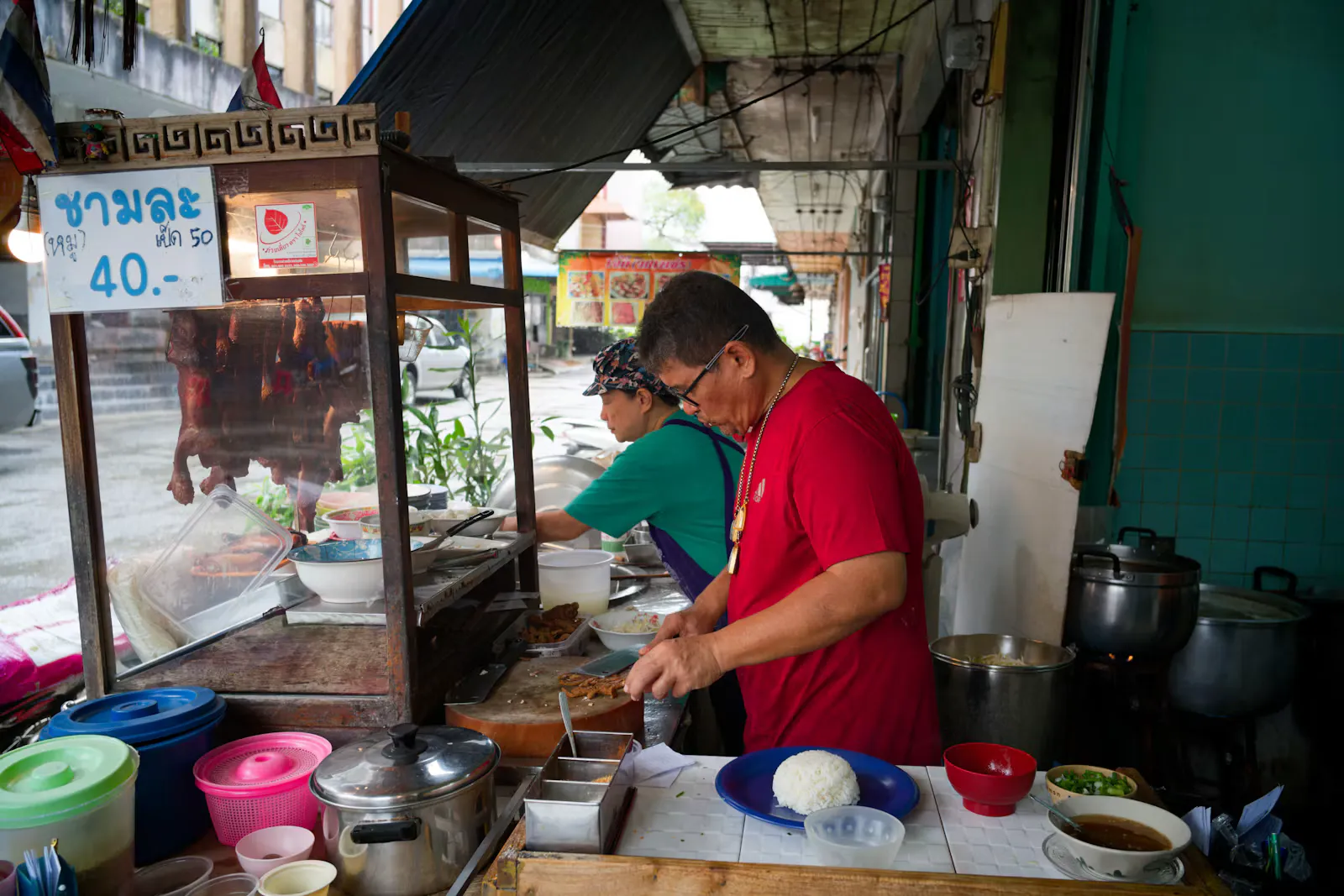
Typhoid spreads through contaminated food and water, so where you eat after your shift matters as much as the vaccine.
When should you get the typhoid vaccine before your elective?
Book the typhoid vaccine as soon as your elective dates are fixed, and aim to be vaccinated a few weeks before you fly. The Green Book says injection antibodies rise within seven days and peak at about one month, while capsule protection starts seven to ten days after the third dose.
That means even a late booking is rarely hopeless. If you leave in two weeks, the injection still has time to start working, and the capsule course takes under a week to finish. What a late booking squeezes is everything else: hepatitis B courses, rabies doses and malaria tablets compete for the same appointment.
Check your record first. If you had a typhoid vaccine for an earlier trip, the Green Book advises a booster every three years for people still at risk. A jab from four years ago no longer counts as current. Note the date on your vaccination card, because your medical elective insurance paperwork and your host may ask for a full record.
Follow this order. Each step makes the next one easier:
Find your vaccination record. Look for an earlier typhoid vaccine and its date. A dose more than three years old needs a booster if you are travelling to a risk area again.
Book a travel clinic or your doctor. Bring your elective dates, destination and any medicines you take. Ask what typhoid vaccine they stock.
Choose injection or capsules. Pick the injection if you are immunosuppressed, on antibiotics, or starting certain malaria tablets soon. Pick capsules only if the schedule fits.
Bundle your jabs. Ask whether a combined typhoid and hepatitis A vaccine makes sense, and plan rabies or other travel vaccines in the same visit.
Finish before you fly. Complete all three capsules or get the injection early enough for protection to build, and keep the proof in your travel folder.
Set a booster reminder. Add a date three years ahead to your calendar, in case you return for a later placement or residency research trip.
How do you avoid typhoid on the ward and at the food stall?
Treat the vaccine as one layer, not a shield. The Green Book stresses scrupulous personal, food and water hygiene for everyone travelling to endemic areas, because not every vaccinated person is protected. In practice, that means safe water, freshly cooked hot food and clean hands before every meal.
What does that look like day to day?
Water. Drink bottled, boiled or properly treated water, and be careful with ice of unknown origin.
Food. Choose food cooked fresh and served hot, and peel fruit yourself.
Hands. Wash or sanitise after the ward, after the toilet and before eating. You already do this for patients, so do it for yourself too.
Fever after you get home. Typhoid can start weeks after exposure. If you develop a fever after your elective, tell your doctor where you travelled.
There is a ward-specific point as well. In the UK, the Green Book says staff of healthcare facilities who have typhoid, or carry it, may be excluded from work until cleared. Rules elsewhere vary, so ask your own school's occupational health team. Our guide to travellers' diarrhoea on a medical elective covers the far more common stomach upsets and when to see a doctor.
Planning your elective and still sorting your jabs? We place medical, nursing and physician assistant students in Sri Lanka, Nepal, Bali and Zanzibar for clinical electives, final-year placements, nursing placements and observerships. Book a free consultation, compare our destinations or read about our medical elective abroad and nursing placement abroad programmes.
Frequently Asked Questions
Sources
World Health Organization. Typhoid, fact sheet, 30 March 2023: who.int (accessed 15 October 2026).
UK Health Security Agency. Typhoid: the green book, chapter 33 (chapter PDF dated 4 February 2022): gov.uk (accessed 15 October 2026).
TravelHealthPro (National Travel Health Network and Centre, UK). Typhoid and paratyphoid: travelhealthpro.org.uk (accessed 15 October 2026).
Centers for Disease Control and Prevention. Traveler pages, last reviewed 25 August 2026: Sri Lanka, Nepal, Indonesia, Tanzania (accessed 15 October 2026).
travel4med. Destination pages with vaccination FAQs: Sri Lanka, Nepal, Bali, Zanzibar (accessed 15 October 2026).