Surgical Elective Abroad: What You Actually Do in Theatre
Celina KöhslMedical student, member of the travel4med team
16. October 2026
13 minutes
Surgical Elective Abroad: What You Actually Do in Theatre
A surgical elective is a clinical elective you spend in surgical departments: on the ward, in clinic and, above all, in the operating theatre. On a surgical elective abroad you clerk surgical patients, join ward rounds, scrub in when the team invites you and assist under supervision. This guide explains what the days look like, where you can do one with us and how to prepare.
Researched and editorially reviewed by Celina Köhsl, medical student and member of the travel4med team. The clinical sections were reviewed by MUDr. Amandeep Grewal, a doctor on the travel4med team.
Key Takeaways
A surgical elective is more than watching operations. You clerk patients before surgery, follow them on the ward afterwards and assist in theatre when the surgeon invites you.
Surgery is offered at all four of our locations. General and visceral surgery is listed in Sri Lanka, Nepal, Bali and Zanzibar; neurosurgery in Sri Lanka, Nepal and Bali; vascular, transplant and plastic surgery in Sri Lanka and Bali.
Safety rules come first. WHO reports that complications after inpatient operations occur in up to 25% of patients, and that its Surgical Safety Checklist has been shown to cut complications and mortality by over 30%.
The Royal College of Surgeons of England calls a surgical elective a unique opportunity to build the portfolio you need for surgical training.
Plan early. For Bali, medical students apply at least 3 months in advance; your own school's approval takes time everywhere.
What is a surgical elective?
A surgical elective is a self-chosen clinical placement in which you join a surgical team for several weeks, usually in your final years of medical school. You take part in the whole surgical pathway: assessment, consent discussions, the operation itself and the recovery on the ward. Your medical school sets the length and rules.
Most surgery electives sit inside your school's general elective block, so the usual questions apply: how many weeks, which kinds of hospital count and what paperwork your elective office wants back. Our guide to getting a medical elective approved lists those questions. If you are still choosing between specialties, our overview of medical elective ideas compares surgery with seven other options.
What makes a surgical elective different from a medical one is the rhythm. Days start early with a ward round, theatre lists run for hours, and the learning comes in bursts: a short explanation over the table, a quick question while the surgeon closes, a patient you saw the day before now recovering on the ward.
Ready for your adventure abroad?
Secure your spot for your internship abroad now.
What will you actually do on a surgical elective?
On a surgical elective you split your time between the ward, the clinic and the operating theatre. You present patients on rounds, take histories and examine before surgery, and in theatre you observe, scrub in and assist when invited. How much you do depends on your training level and your supervisor, never on the destination.
A typical day looks something like this:
Morning ward round. You see post-operative patients, check wounds, drains and observations, and learn how the team decides who can go home.
Pre-operative clerking. You take a history and examine the patients on today's list, which is the best way to understand why each operation is happening.
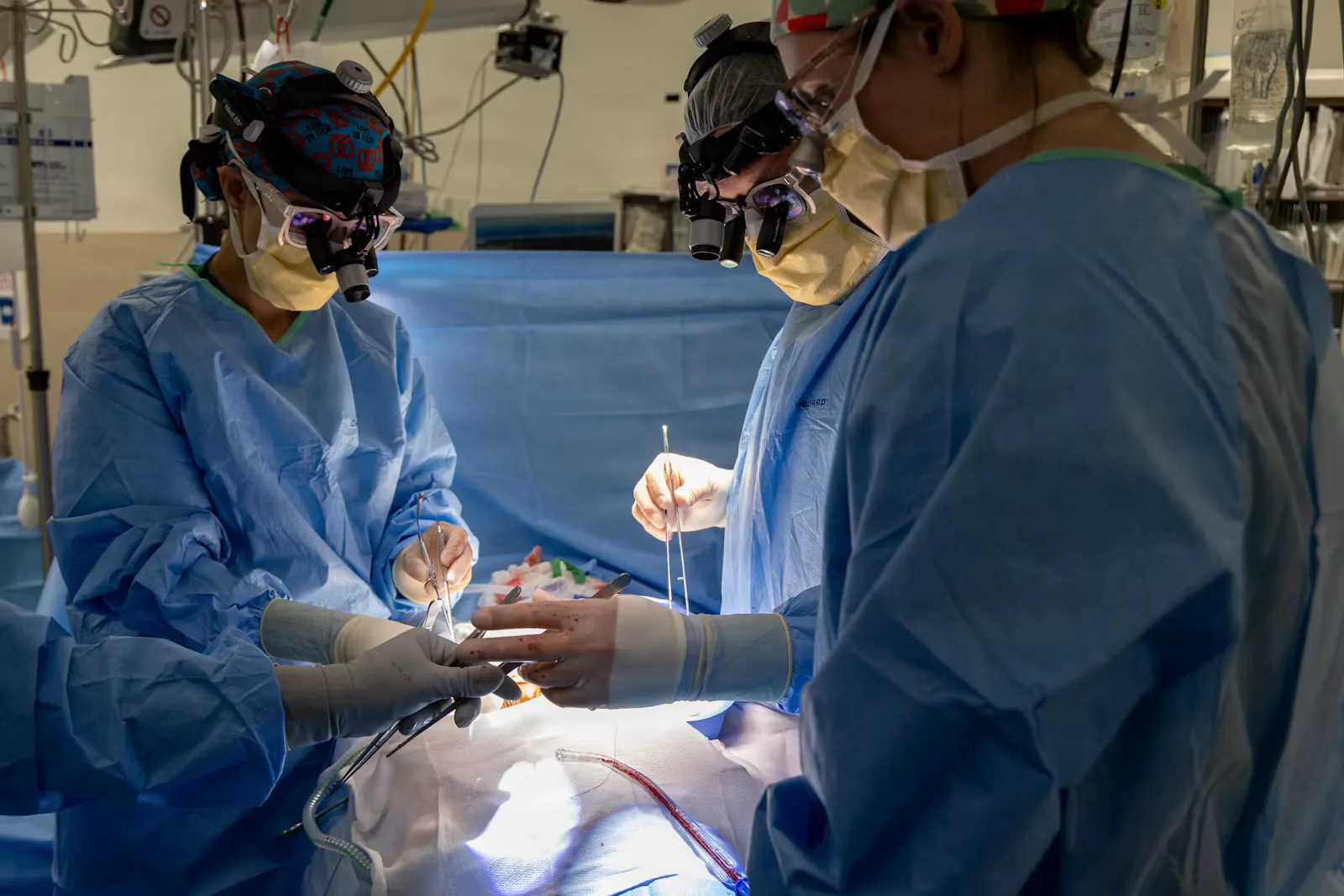
Theatre. You start by observing. Once the team knows you, many surgeons will let you scrub in, hold a retractor, cut sutures or help close the skin.
Clinic or emergency cases. Outpatient clinics and acute admissions show you how surgeons decide whether to operate at all.
The hands-on part grows with trust. First-week students mostly watch; students who turn up early, know the patients and ask good questions usually get more. Our guide to clinical skills on a medical elective shows how to log what you did and at which level of supervision.
Not sure whether you want to work hands-on or mainly observe? An observership is a different format with no direct patient care. Our comparison of an observership vs a clinical elective explains which one fits your stage.
Where can you do a surgical elective with travel4med?
You can do a surgical elective at all four of our partner locations: National Hospital Galle in Sri Lanka, Manipal Pokhara Teaching Hospital in Nepal, RSU Bangli Hospital in Bali and Lumumba Hospital in Zanzibar. The surgical departments differ by hospital, so the table below lists what each destination page names today.
Destination
Hospital
Surgical areas listed
Good to know
Galle, Sri Lanka
National Hospital Galle (formerly Karapitiya Teaching Hospital)
General and visceral surgery, orthopedics, neurosurgery, vascular and transplant surgery, plastic surgery; anaesthesia
Second largest hospital in southern Sri Lanka; programmes start every Monday
Pokhara, Nepal
Manipal Pokhara Teaching Hospital
General and visceral surgery, orthopedics and trauma surgery, neurosurgery, urology
Academic teaching hospital at the foot of the Himalayas
Bali, Indonesia
RSU Bangli Hospital
General and visceral surgery, trauma surgery and orthopedics, neurosurgery, vascular and transplant surgery, plastic surgery
Teaching hospital affiliated with Udayana University; medical students are registered as elective students with insight into the ward and the operating room
Zanzibar, Tanzania
Lumumba Hospital
General and visceral surgery, orthopaedics and trauma surgery, anaesthesia
You join rounds and examinations and, depending on your level of training, the operating theatre
Source: our Sri Lanka, Nepal, Bali and Zanzibar destination pages, read on 16 October 2026. The hospital confirms your exact department with you before you arrive.
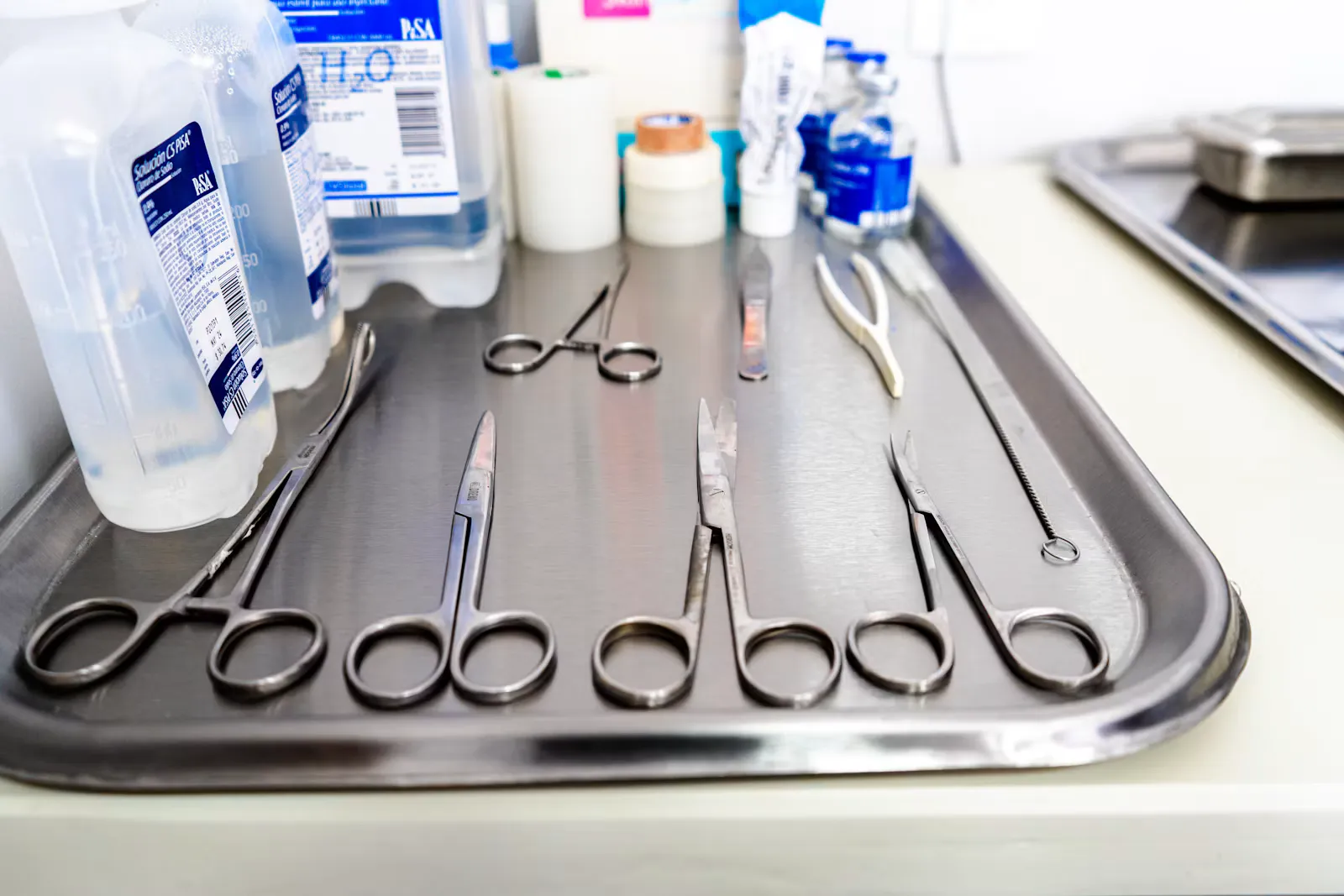
Learn the basic instruments before you fly. Knowing a needle holder from artery forceps makes you useful at the table from day one.
Why does a surgical elective in a different health system teach so much?
A surgical elective in a different health system teaches you how surgeons decide when equipment, beds and time are limited. You see conditions that arrive late, operations done with simpler kit and teams that rely on clinical judgement. The Royal College of Surgeons of England notes that a placement in a developing country offers much more hands-on experience.
That hands-on side comes with responsibility. Safety in surgery is a global problem, not a local one. WHO's safe surgery page puts the numbers plainly: the reported crude mortality rate after major surgery is 0.5 to 5%, complications after inpatient operations occur in up to 25% of patients, and at least half of the cases in which surgery led to harm are considered preventable. WHO also estimates that surgical interventions account for about 13% of the world's total disability-adjusted life years.
Three separate statements from the WHO safe surgery page, shown side by side. They measure different things and are not parts of one total.
What does that mean for you as a student? It means the checklist moment before an operation is not a formality, and that your job is to support the team, not to stretch your role. WHO says its checklist can be completed in under 2 minutes. Learn where you stand during it, and stay quiet and attentive while it runs. Our guide to an ethical medical elective abroad explains why you never do more than you are trained and supervised to do, however busy the list is.
How do you prepare for a surgical elective abroad?
You prepare for a surgical elective abroad in two tracks: paperwork and theatre readiness. Paperwork means school approval, an acceptance letter, visa, insurance and vaccinations. Theatre readiness means revising surgical anatomy, practising knots and sutures, and knowing how to scrub and gown. Start both tracks at least three months before you fly.
Check your school's rules. Confirm that a surgical department counts for your elective, how many weeks you need and which forms your supervisor must sign.
Pick your surgical area. General surgery gives breadth; orthopedics, neurosurgery or plastic surgery give depth. Use the table above to match the area to a hospital.
Apply early. For Bali, medical students apply at least 3 months in advance and submit complete documents within 2 weeks of booking. Sri Lanka and Nepal start every Monday, but your school still needs time.
Write three or four learning objectives. For example: "clerk five patients before their operation and follow them to discharge". Our guide to elective learning objectives has more examples.
Get theatre-ready. Revise the anatomy of common operations, learn the basic instruments and practise one-handed and instrument ties on a suture pad.
Pack for long days. Comfortable closed shoes, a small notebook and a water bottle for the breaks. Our packing list for a clinical internship abroad covers the rest, including whether you need your own scrubs.
Secure Information Material
Request all the important info for free, no obligation.
Theatre etiquette is the set of habits that keeps patients safe and makes the team want you back. Every hospital has its own protocol, so the first rule is to ask. These habits work everywhere:
Introduce yourself to the surgeon, the anaesthetist and the scrub nurse before the case, and ask where you should stand.
Treat everything blue and draped as sterile. If you are not scrubbed, keep your distance. If you touch something sterile by mistake, say so straight away. Nobody minds an honest mistake; everybody minds a hidden one.
Follow the local scrub protocol exactly as the scrub nurse shows you. WHO publishes guidelines on hand hygiene in health care, but the hospital's own routine is the one you follow on the day.
Eat and drink before long cases. If you feel faint at the table, step back and tell someone at once. It happens to many students and is far safer than staying put.
Never photograph patients or the operating field without the hospital's explicit permission.
Ask questions at the right time. During a calm phase of the operation or afterwards, not during a critical step.
Does a surgical elective help your surgical career?
Yes, a surgical elective helps your surgical career when you can show what you did and learned. The Royal College of Surgeons of England says that if surgery is your career goal, you need a portfolio with as much surgical experience as possible, and calls a surgical elective a unique opportunity to build it.
Turn the weeks into evidence. Keep a logbook of cases and your role in each, ask your supervising surgeon for a reference letter before you leave, and consider writing up an interesting patient as a case report from your elective. Those three pieces carry more weight in an interview than any number of photos from the beach.
Ready for theatre? We organise surgical electives, clinical placements, final-year placements and observerships in Sri Lanka, Nepal, Bali and Zanzibar, including accommodation, meals, airport pickup and on-site support. Explore our medical elective placements and clinical placements, compare our destinations or book a free consultation and we'll match you with the right surgical department. travel4med is part of the futuredoctor group ecosystem, which supports students from application to graduation.
Frequently Asked Questions
Sources
travel4med. Destination pages with hospitals and specialty lists: Sri Lanka, Nepal, Bali, Zanzibar (accessed 16 October 2026).
World Health Organization. Safe surgery, patient safety research: who.int (accessed 16 October 2026).
World Health Organization. Implementation manual WHO surgical safety checklist 2009 (2 April 2009): who.int (accessed 16 October 2026).
World Health Organization. WHO guidelines on hand hygiene in health care (15 January 2009): who.int (accessed 16 October 2026).
Royal College of Surgeons of England. Improving your chances of entering surgical training: rcseng.ac.uk (accessed 16 October 2026).