HIV Care on a Medical Elective: World AIDS Day 2026
HIV care is the long term work of testing people, starting them on antiretroviral therapy and keeping the virus suppressed for life, and on a medical elective abroad you will see it every week. WHO counts 41.0 million people living with HIV at the end of 2025, 64% of them in its African Region. World AIDS Day falls on 1 December 2026, and this guide explains what HIV care looks like on a ward in Zanzibar, Sri Lanka, Nepal or Bali, and what you can do there.
Key Takeaways
HIV is a chronic condition now, not a death sentence. WHO says that with prevention, diagnosis, treatment and care, people with HIV can lead long and healthy lives. There is still no cure.
The world is close to 95-95-95, but not there. In 2025, 88% of people with HIV knew their status, 89% of those were on treatment and 95% of those on treatment had a suppressed viral load (WHO and UNAIDS).
About 5.0 million people did not know they had HIV in 2025. That is why testing is the part of HIV care you will see most often as a student.
Zanzibar is not mainland Tanzania. The Tanzania HIV Impact Survey 2022 to 2023 measured adult HIV prevalence at 0.4% in Zanzibar against 4.5% on the mainland.
TB is the killer to watch. WHO says people with HIV are 12 times more likely to fall ill with TB, and TB is their leading cause of death.
World AIDS Day is Tuesday 1 December 2026. If your placement overlaps it, expect testing drives, community events and teaching you can join.
What is HIV care?
HIV care is everything a health system does for a person with HIV after the first positive test: confirming the diagnosis, starting antiretroviral therapy (ART), checking that the virus is suppressed, treating infections that take advantage of a weak immune system, and supporting the person to stay on treatment for life. It runs from a rapid test in an outpatient clinic to a ward bed for someone with advanced disease.
WHO's HIV fact sheet, updated on 27 July 2026, defines the virus simply. HIV (human immunodeficiency virus) "attacks the body's immune system", and AIDS (acquired immunodeficiency syndrome) "occurs at the most advanced stage of infection." WHO now defines advanced HIV disease as a CD4 cell count below 200 cells/mm3, or a WHO stage 3 or 4 event, in adults and adolescents. Every child under 5 living with HIV counts as having advanced disease.
Medically reviewed by MUDr. Amandeep Grewal, a doctor on the travel4med team whose review scope covers vaccinations, tropical medicine, insurance and clinical content.
The good news sits in one line of the same fact sheet: with access to effective prevention, diagnosis, treatment and care, "HIV infection has become a manageable chronic health condition." The hard part is the word access. That's what you'll see up close on placement.
Ready for your adventure abroad?
Secure your spot for your internship abroad now.
How many people live with HIV, and how many get treatment?
More than ever, because people now survive. UNAIDS, using data from 172 countries for 2025, reports 41.0 million people living with HIV, 1.2 million new infections and 570,000 deaths from AIDS-related illnesses that year. Since the start of the epidemic, 44.2 million people have died.
Treatment has changed the picture completely, and that is what modern HIV care is built on. UNAIDS counts 32.1 million people on antiretroviral therapy at the end of December 2025, up from 7.6 million in 2010. New infections are down 65% from the 1994 peak, when 3.5 million people acquired HIV. AIDS-related deaths are down 73% from the 2004 peak of 2.1 million.
Global HIV figure (UNAIDS)
Then
2025
People on antiretroviral therapy
7.6 million (2010)
32.1 million
New HIV infections
3.5 million (1994 peak)
1.2 million
Deaths from AIDS-related illnesses
2.1 million (2004 peak)
570,000
New infections among children aged 0 to 14
300,000 (2010)
93,000
Two warnings come with those numbers. First, UNAIDS says progress in children "has stalled in recent years", and only 55% of children aged 0 to 14 with HIV were on treatment in 2025. Second, money is getting tighter. At the end of 2025, US$ 17.6 billion was available for the HIV response in low and middle income countries, about 20% below the US$ 21.9 billion needed each year by 2030, and international resources fell by 18%, the largest drop in almost two decades. You may hear staff talk about stock or staffing gaps in HIV care. This is part of why.
What are the 95-95-95 targets?
The 95-95-95 targets are the global goals for HIV care: 95% of people with HIV know their status, 95% of those are on treatment, and 95% of those on treatment have a suppressed viral load. WHO reports that in 2025 the world stood at 88%, 89% and 95%. That's close, and the first number, diagnosis, is the one where HIV care lags.
Global progress towards the 95-95-95 targets in 2025. Sources: World Health Organization, HIV and AIDS fact sheet, 27 July 2026; UNAIDS, Global HIV and AIDS statistics fact sheet, 2026.
Read the cascade carefully, because the three percentages multiply. UNAIDS spells it out: among all people living with HIV in 2025, 88% knew their status, 78% were on treatment and 74% were virally suppressed. So roughly one person in four with HIV still has a virus that is not under control. For children the first step is far weaker: only 65% of children with HIV knew their status in 2025. For adult men the figures were 86%, 86% and 95%, so men are diagnosed and treated less often than women.
Why does suppression matter so much? Because WHO states that people with HIV who take ART and have an undetectable viral load "will not transmit HIV to their sexual partners." Good HIV care is also prevention.
What does HIV care look like at our four destinations?
HIV care depends heavily on where you are. Our destinations sit in two WHO regions with very different HIV pictures, and even inside one country the numbers can differ sharply. Sri Lanka, Nepal and Indonesia belong to the WHO South-East Asia Region. Tanzania, of which Zanzibar is a semi-autonomous part, belongs to the WHO African Region, home to 64% of everyone living with HIV.
Destination
WHO region
What the cited sources tell us
Zanzibar (Tanzania)
African Region
Adult HIV prevalence 0.4% in Zanzibar against 4.5% in Mainland Tanzania (THIS 2022 to 2023).
Sri Lanka
South-East Asia Region
Validated by WHO in November 2019 for eliminating mother-to-child transmission of HIV and syphilis.
Nepal
South-East Asia Region
No country figure is cited in this post. Check UNAIDS AIDSinfo for current estimates.
Bali (Indonesia)
South-East Asia Region
No country or provincial figure is cited in this post. Check UNAIDS AIDSinfo for current estimates.
We have left the Nepal and Indonesia rows deliberately thin. National figures for those two countries exist on the UNAIDS AIDSinfo data portal, but we have not quoted them here, and a national number would tell you little about Bali in particular. Look them up yourself before you go, and ask your supervisor what the local caseload is really like.
Why is Zanzibar so different from mainland Tanzania?
Because the survey says so in plain numbers. The Tanzania HIV Impact Survey 2022 to 2023 (THIS), a household survey of adults aged 15 and over run from November 2022 to March 2023 by the governments of Tanzania and Zanzibar, measured adult HIV prevalence at 4.4% nationally, about 1,548,000 adults. That splits into 4.5% on the mainland and 0.4% in Zanzibar.
Adult HIV prevalence in Mainland Tanzania and Zanzibar. Source: Tanzania HIV Impact Survey 2022 to 2023, Summary Sheet, December 2023 (TACAIDS, Zanzibar AIDS Commission and partners, with ICAP at Columbia University).
Inside Zanzibar, regional prevalence ranged from 0.2% in Kaskazini Pemba to 0.8% in Kusini Unguja, and the survey says HIV prevalence "was below 1% in all the regions of Zanzibar." On the mainland, regions ranged from 1.7% in Kigoma to 12.7% in Njombe.
What does that mean for you? Don't arrive in Zanzibar expecting an HIV ward like the ones in mainland regions with ten times the prevalence. You'll still meet patients on ART, pregnant women being tested in antenatal clinic and people with TB who need an HIV test, but HIV care in Zanzibar is a smaller share of the caseload. One more honest limit: the survey did not report viral suppression for Zanzibar at all, because fewer than 25 adults living with HIV were identified there.
Secure Information Material
Request all the important info for free, no obligation.
Sri Lanka is a model worth studying. WHO's South-East Asia Regional Office announced on 10 December 2019 that Sri Lanka had been validated in November 2019 for eliminating mother-to-child transmission of HIV and congenital syphilis. It was the third country in the WHO South-East Asia Region to do so, after Thailand and Maldives. The country had reported no case of mother-to-child HIV transmission since 2017, and congenital syphilis stood at two per 100,000 live births, far under the 50 per 100,000 limit for certification.
WHO credited "high quality maternal and health services" and a strong primary health care base. If you spend time in an antenatal clinic in Sri Lanka, watch how routine screening is built into the visit. That's the system behind the headline, and it's a far better lesson in HIV care than any lecture slide.
The red ribbon has marked World AIDS Day for decades. On the ward, the work behind it is testing, treatment and follow-up.
How is HIV diagnosed on the ward?
Usually with a rapid test that gives a result the same day, and diagnosis is where HIV care starts. WHO notes that most HIV tests detect antibodies, and most people develop them within 28 days of infection. Before that is the "window period", when a rapid test may be negative although the person can already pass the virus on. A negative test after a recent high risk exposure should be repeated after 28 days.
Two more rules from WHO matter at the bedside. No single test gives a full positive diagnosis: confirmatory testing by a trained health worker is required, following the national testing algorithm. And for babies under 18 months, antibody tests are not enough, because the mother's antibodies cross the placenta. They need virological testing, which WHO says should be offered as early as birth or at 6 weeks.
Here is how a student can take part in this first step of HIV care, always under supervision:
Learn the local consent process. Ask your supervisor how consent for an HIV test is taken and recorded at your hospital, and who is allowed to take it.
Watch several pre-test conversations first. Notice the language staff use, how privacy is protected and how long it takes.
Help with the test itself if invited. Follow the kit instructions exactly, wear gloves and time the read accurately.
Leave results to the team. A positive result is given by the clinician or counsellor, never by a visiting student.
Follow one patient through linkage. Ask whether you can see what happens next: retesting, the first ART visit, TB screening.
Log what you saw. Record dates, setting and your role in your elective logbook, without names or identifying details.
Every one of these steps sits inside the host hospital's own policies and Tanzania's, Sri Lanka's, Nepal's or Indonesia's national guidelines. Those take priority over anything written here.
Why does HIV care always include TB screening?
Because TB kills more people with HIV than anything else. WHO's tuberculosis fact sheet says people living with HIV are 12 times more likely to fall ill with TB than people without HIV, and that "HIV and TB form a lethal combination, each accelerating the other's progress." About 150,000 people died of HIV-associated TB in 2024. Only 61% of people with HIV who developed TB that year received ART.
That's why HIV care and TB care are joined up in most of the hospitals you'll visit. A person newly diagnosed with HIV gets asked about cough, fever, night sweats and weight loss. A person with TB gets offered an HIV test. WHO reports that 82% of people who fell ill with TB in 2024 had a documented HIV test result.
For you, it also means TB is the real occupational risk on an HIV ward, not HIV itself. Read our guide to tuberculosis on a medical elective and plan screening before and after your placement. Chest infections in people with HIV often turn out to be more than they seem, which our guide to pneumonia on a medical elective covers from the paediatric side.
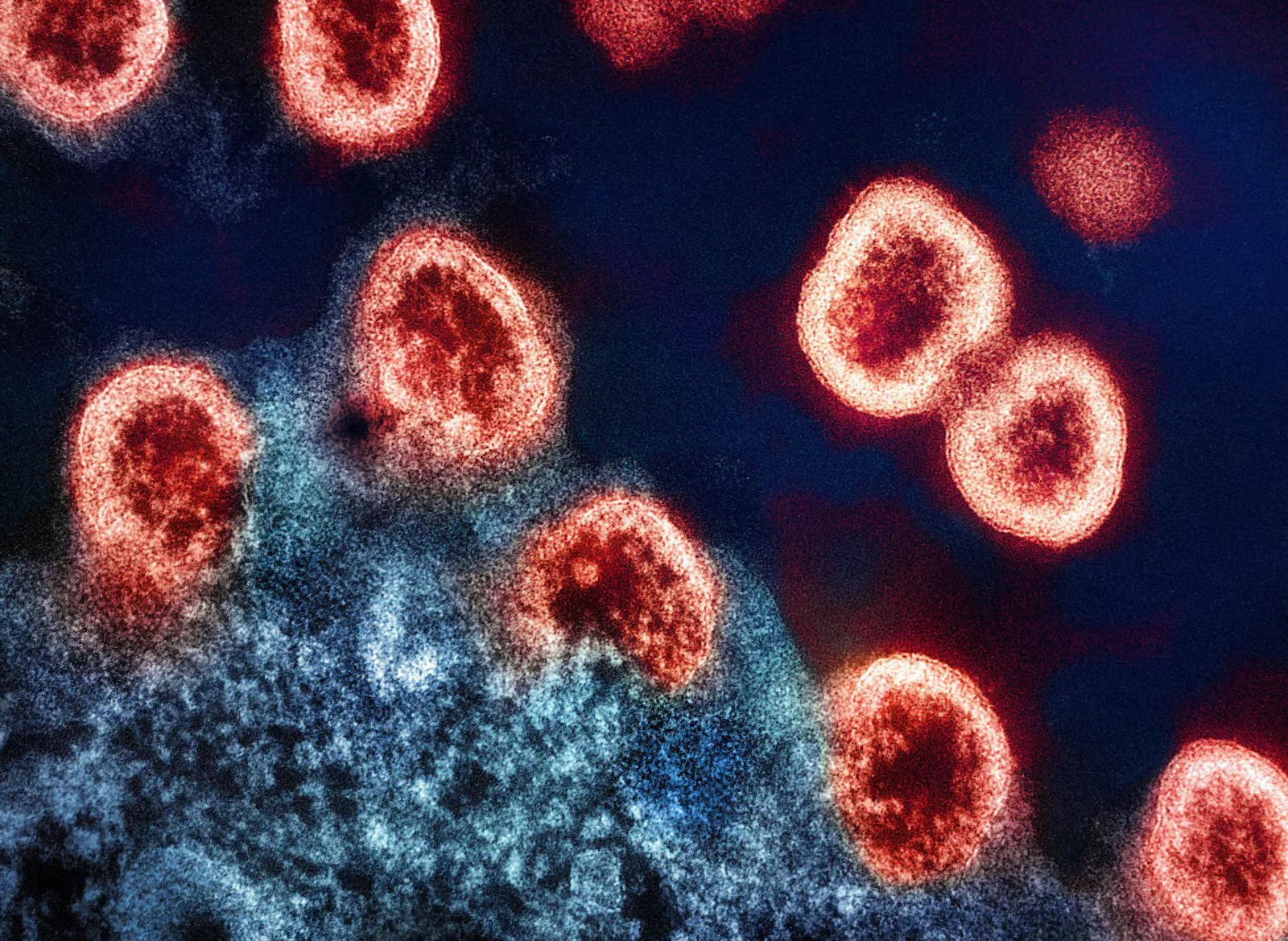
Viral load testing measures how much virus is in the blood. Keeping it suppressed is the core goal of HIV care.
Protecting yourself during HIV care
You protect yourself with the same standard precautions you'd use for any patient, done every single time. HIV care asks nothing more exotic of you than that. WHO lists accidental needle stick injuries, including among health workers, as one of the routes for HIV transmission. The risk is real but small, and it's manageable if you plan for it.
Never recap needles. Drop them straight into a sharps bin, and find the bin before you start.
Only do procedures you're trained and supervised for. Saying "I haven't done this before" is professional, not weak.
Know where post-exposure prophylaxis (PEP) is kept. WHO describes PEP as antiretroviral drugs given after a possible exposure. Ask on day one who to call and where the drugs are, because PEP works best when it starts fast.
Check your cover. Make sure your medical elective insurance covers occupational exposure and repatriation.
If something does go wrong, follow the step by step plan in our needlestick injury guide. It covers first aid, reporting, PEP and the follow-up testing your own occupational health service will want. Hepatitis B is part of the same conversation, so check your immunity with our guide to vaccinations for a medical elective abroad.
Because a careless word can cost a patient their job, their home or their family's support. UNAIDS reports that HIV risk is far higher in groups facing marginalisation, discrimination and in some places criminalisation: 18 times higher among gay men and other men who have sex with men, 17 times higher among sex workers and 34 times higher among people who inject drugs, compared with all adults aged 15 to 49.
Confidentiality is part of HIV care, not an extra. On placement, three habits protect patients:
Never say a diagnosis aloud in a corridor or ward bay. Follow how local staff refer to HIV in front of others, which is often indirect.
Keep your notes and photos clean. No names, no faces, no record numbers in your logbook, your phone or your elective report.
Leave your assumptions at home. You don't know a patient's story from their diagnosis, and you don't need to.
World AIDS Day 2026 is on Tuesday, 1 December. WHO's campaign page states that "1 December is World AIDS Day" and calls it "one of the most widely recognized international health days." When we checked the 2026 page on 2 October 2026, WHO had not yet published a theme for the year, so we don't quote one here.
If your placement runs over that week, ask your host hospital whether it's running a testing day, a community event or a teaching session. Offer to help with the logistics. It's often the best week of the year to see community HIV care in action. And if your medical school wants a reflective piece, a week that includes World AIDS Day gives you a strong theme: how HIV care is organised locally, where the gaps are, and what you learned from the staff who run it.
What can a visiting student actually do in HIV care?
Plenty, as long as you stay inside your scope. Good HIV care is team work, and a student who listens well is useful to the team. You can take histories, including the careful questions about symptoms of TB and other infections. You can join counselling sessions as an observer when the patient agrees, help in a testing clinic, read lab results with your supervisor, and follow a patient on ART through a routine review. You don't give results, change treatment or decide on admission, because those decisions belong to the clinicians who run HIV care locally.
You'll see HIV care at all four destinations, in outpatient clinics, antenatal care and medical wards. travel4med places medical, nursing and physician assistant students in Sri Lanka, Nepal, Bali and Zanzibar, and all four are open for the full range of placements, including the final year clinical placement. Nursing students can find their route in our nursing internship abroad planning guide.
Whether a placement counts towards your degree is decided by your own medical school and national regulator, not by us and not by the host hospital. Ask your elective office which learning outcomes they want evidenced, get the answer in writing, and read our guide to medical elective approval before you book.
Want to learn HIV care where it shapes daily practice? Compare Sri Lanka, Nepal, Bali and Zanzibar on our destinations page or book a free consultation, and we'll help you pick a placement that fits your goals. travel4med is operated by travelformed GmbH in Frankfurt, part of the futuredoctor group.
World Health Organization, "HIV and AIDS" fact sheet, 27 July 2026. The 41.0 million people living with HIV at the end of 2025, the 64% in the African Region, 570,000 deaths and 1.2 million new infections in 2025, 44.2 million deaths to date, the 88%, 89% and 95% cascade, the definitions of HIV, AIDS and advanced HIV disease, the 28 day antibody window, confirmatory testing, infant virological testing, undetectable viral load and transmission, needle stick injuries as a route, and PEP. who.int
UNAIDS, "Global HIV and AIDS statistics: Fact sheet", data for 2025 from 172 countries, checked 2 October 2026. People on ART (32.1 million, up from 7.6 million in 2010), the 65% fall in new infections since 1994, the 73% fall in deaths since 2004, children's figures, the 78% and 74% whole-population cascade, men's and children's cascades, about 5.0 million people unaware of their status, the higher risk in key populations, and the funding figures. unaids.org
World Health Organization, "Tuberculosis" fact sheet, checked 2 October 2026. The 12 times higher TB risk with HIV, TB as the leading cause of death among people with HIV, about 150,000 deaths from HIV-associated TB in 2024, 61% of people with HIV and TB on ART, and 82% of people with TB with a documented HIV test. who.int
Tanzania HIV Impact Survey 2022 to 2023, Summary Sheet, December 2023 (TACAIDS, Zanzibar AIDS Commission, Ministries of Health, with technical assistance from US CDC and ICAP at Columbia University). National adult prevalence 4.4% (about 1,548,000 adults), Mainland 4.5%, Zanzibar 0.4%, regional ranges, and the note that viral suppression was not reported for Zanzibar. phia.icap.columbia.edu
World Health Organization South-East Asia Regional Office, "WHO congratulates Sri Lanka for eliminating mother-to-child transmission of HIV, Syphilis", news release, 10 December 2019. Validation in November 2019, third country in the region after Thailand and Maldives, no mother-to-child HIV transmission since 2017, congenital syphilis at two per 100,000 live births. who.int/southeastasia
World Health Organization, "World AIDS Day 2026" campaign page, checked 2 October 2026. The 1 December date and the description of the day. who.int