Clinical Internship Abroad: A Beginner's Planning Guide
A clinical internship abroad is a supervised placement at a hospital in another country that lets a nursing, medical or physician assistant student gain hands-on clinical experience outside their home health system. This guide was reviewed by the travel4med Editorial Team and is written for the true first-timer: not "which destination should I pick" but "where do I even start." If you already know your placement type and just need destination and cost detail, our medical electives abroad guide covers that ground in full; this is the guide to read before that one.
Key Takeaways
Your training stage, not your destination preference, should decide which placement type you look for first.
Financing is the single biggest reason students never go, cited by roughly 74% of surveyed students as their top barrier — plan the budget before you plan the itinerary.
Recognition of your time abroad is decided by your own school or regulator, never by the host hospital or an agency.
A pre-travel health consultation belongs on your calendar 4 to 6 weeks before departure, not the week before.
The three genuinely first steps are: confirm eligibility with your school, get a realistic quote, and check the recognition requirement in writing.
Which placement type actually matches your training stage?
Before researching hospitals or countries, work out which placement category you belong to, because eligibility, supervision level and what you are allowed to do all depend on it. As a rough map:
Pre-clinical or early-stage students typically start with a nursing internship or observation-based placement, focused on basic patient care and ward routines.
Mid-program clinical students are usually eligible for a clinical clerkship or elective, joining ward rounds, outpatient clinics and simple procedures under supervision.
Final-year students may be eligible for a longer practical-year attachment, with more day-to-day responsibility (see our practical year explainer if this is you).
Physician assistant students complete a structured practical phase within the delegation scope their program allows.
Qualified doctors can arrange an observership to see a specialty or health system abroad without treatment responsibility.
Get this categorization wrong and you risk applying to placements you are not eligible for, or under-using an opportunity you actually qualify for.
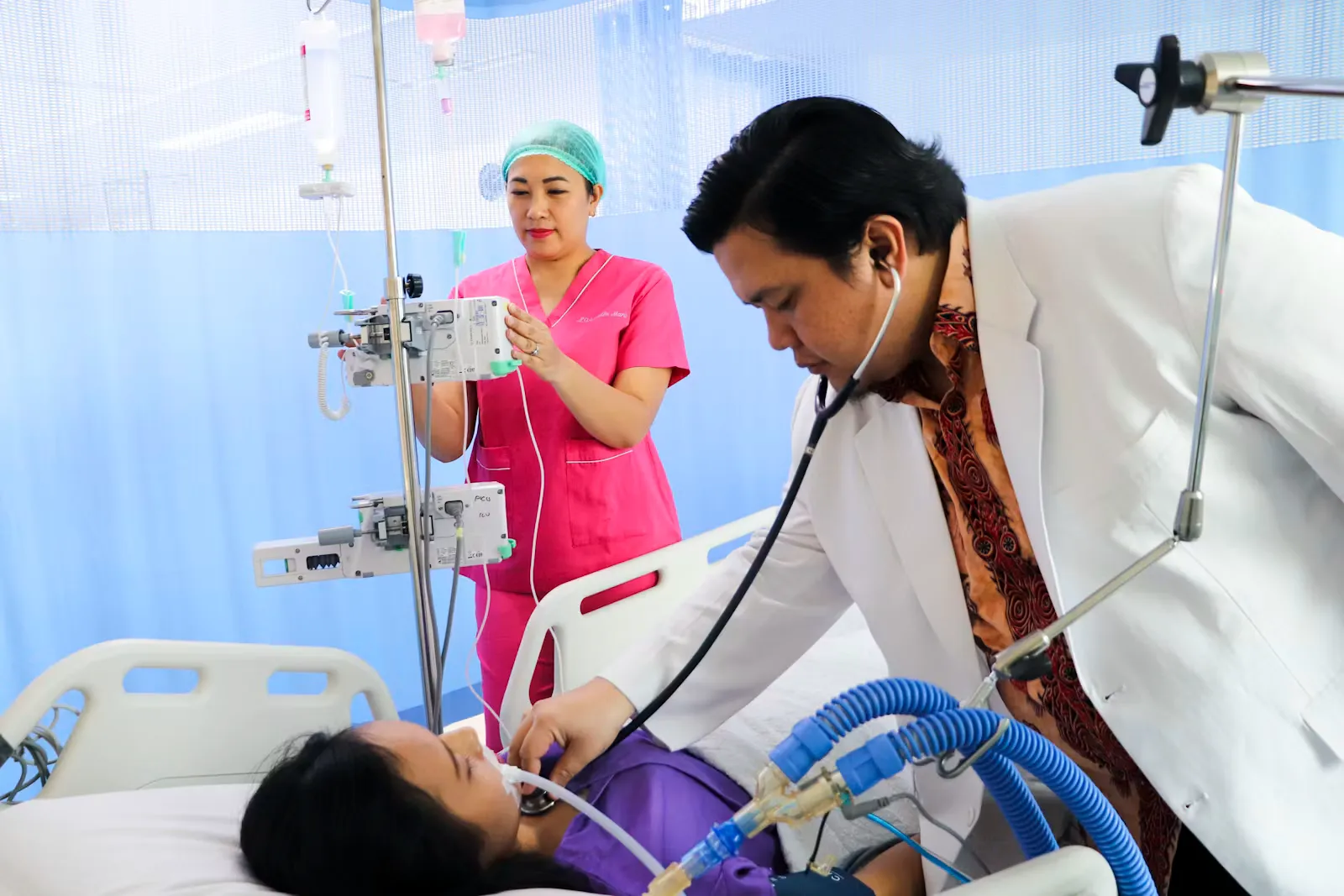
What you are allowed to do abroad depends heavily on your training stage at home.
Ready for your adventure abroad?
Secure your spot for your internship abroad now.
What does a clinical internship abroad actually cost?
Honestly, more than most first-timers expect, and cost is the reason many students never apply at all. A survey of medical students found financing was the top-cited barrier to an international clinical or global-health experience, named by 74% of respondents, ahead of scheduling conflicts (58%), family obligations (23%) and safety concerns (19%) (Interests and Barriers to Medical Students' Participation in a Dedicated Global Surgery Curriculum, PubMed, 2024). Budget for four separate cost categories rather than one lump sum: the placement or program fee, flights, living costs on the ground, and one-off costs like visas, vaccinations and insurance. Ask your own school's global-health or international office about internal travel awards before assuming you cannot afford it — these are usually the highest-yield, lowest-competition funding source available to you.
What are the very first three steps to take?
Skip the destination brochures for now and start here instead:
Confirm eligibility with your own school first. Ask your placement office or dean's office which placement types you currently qualify for and what prerequisites (course credits, prior placements, language level) apply.
Get a realistic cost quote. Contact a placement organizer or your school's exchange office for an actual figure for your training level and preferred region, rather than relying on generic online estimates.
Ask the recognition question in writing. Before paying anything non-refundable, get written confirmation of what your school needs from a placement abroad for it to count toward your degree.
Only once these three answers are in hand does comparing destinations become a useful exercise rather than a distraction.
How do you prepare once a placement is confirmed?
Preparation splits into three practical categories. For health, book a pre-travel consultation 4 to 6 weeks before departure — the window recommended by the US Centers for Disease Control and Prevention so that multi-dose vaccines have time to take effect before you are exposed to local disease risk (CDC, Yellow Book: The Pre-Travel Consultation, 2026). For documentation, gather your enrollment confirmation, an up-to-date CV, vaccination records and any letter your home school requires. For logistics, arrange comprehensive travel and medical insurance that explicitly covers clinical placements, and check the official immigration portal for your destination and nationality well ahead of time.
Documentation and health prep are unglamorous, but they are what actually gets a first-timer through the door.
Is a clinical internship abroad worth it for a first-timer?
For most students, yes — global clinical experience has become close to a norm rather than a rarity, and it broadens the case-mix and health-system exposure you get purely at home. But "worth it" depends on doing the unglamorous preparation properly: confirming eligibility, budgeting honestly, and locking in recognition in writing. Skipping those steps is what turns a promising first clinical internship abroad into a stressful, unrecognized trip. travel4med organizes clinical placements for first-timers and experienced students alike at partner teaching hospitals in Sri Lanka, Nepal, Bali and Zanzibar.
Ready to take the first step? Tell us your training stage, destination interest and dates, and we will walk you through eligibility, cost and recognition before you commit to anything. Book a free consultation.
Secure Information Material
Request all the important info for free, no obligation.