Nepal Culture: Etiquette Guide for Your Placement (2026)
Nepal culture is a mix of Hindu and Buddhist traditions, dozens of ethnic communities and 123 languages, held together by a strong sense of respect and hospitality. For a medical or nursing student on placement in Pokhara, it comes down to a few daily habits: greet with "Namaste", take your shoes off, use your right hand and dress modestly.
Researched and editorially reviewed by Nils-Andre Stritt, travel4med. Nils-Andre organises our destinations and placements and talks students through their plans before they book.
Key Takeaways
Greet with Namaste. The Nepal Tourism Board says the usual greeting is "Namaste", said with both palms joined together.
Shoes off, right hand on. Nepalis usually take their shoes off before entering a home or a place of worship, and the right hand is used to eat, pay, give and receive.
Temples have rules. Some Hindu temples don't admit non-Hindus, leather is banned in some temple areas, and you walk round temples and stupas clockwise.
Dress modestly. The UK government advises against shorts and sleeveless tops in temples and holy places.
Diversity is the norm. 123 languages are spoken in Nepal, and Nepali is the mother tongue of 44.6% of people, according to the 2011 census.
Ask before photos. Get permission before you photograph a person or a sacred object, and on the ward never photograph patients.
What is Nepal culture like?
Nepal culture is diverse, religious and family-centred. The Embassy of Nepal in London reports that 123 languages are spoken in the country (2011 census), and that 80.6% of people were Hindu and about 11% Buddhist in the 2001 census. Nepal has been a secular state since 18 May 2006, and both faiths have shared temples and festivals for centuries.
What does that mean for you? It means there isn't one "Nepali way" of doing things. A Newar family in the Kathmandu Valley and a family in the hills around Pokhara may have quite different customs, food and festivals. The Nepal Tourism Board puts it simply: the diversity in ethnicity "makes room for various sets of customs".
A few numbers help you picture it. Nepali is the mother tongue of 44.6% of the population and Maithili of 11.7%, according to the Embassy's summary of the 2011 census. So many of the patients you meet on a ward in Pokhara will speak Nepali, but not all of them as their first language. Religion is just as layered: the Nepal Tourism Board notes that Buddha is worshipped by both Buddhists and Hindus in Nepal.
Religion in Nepal by share of the population in the 2001 census, as reported by the Embassy of Nepal in London. Source: Embassy of Nepal, London, "Culture and Society of Nepal".
Ready for your adventure abroad?
Secure your spot for your internship abroad now.
How do you greet someone in Nepal?
You greet someone in Nepal with "Namaste", said while joining both palms together in front of your chest. The Nepal Tourism Board says it literally means "the divine in me salutes the divine in you". It works for patients, nurses, consultants and the family who runs the corner shop, at any time of day.
A few other signals are worth knowing in your first week:
Head movements. The Nepal Tourism Board says nodding means "yes" and shaking the head means "no". A slight side-to-side wobble usually means "OK". Ask again if you're unsure, especially when you're checking a patient's answer.
Elders first. Respect for older people runs through Nepal culture. Greet the senior person in a room first, and let them sit or speak first.
Names and titles. On the ward, address staff by their title until they tell you otherwise. It's the safe default in any hospital abroad.
Learning a few words of Nepali changes how people respond to you. Ask your host team for the polite phrases they use every day, and start with "Namaste". Our guide to language barriers on a clinical internship abroad shows how to work with interpreters and colleagues when your patient speaks no English.
Which customs matter at temples and stupas?
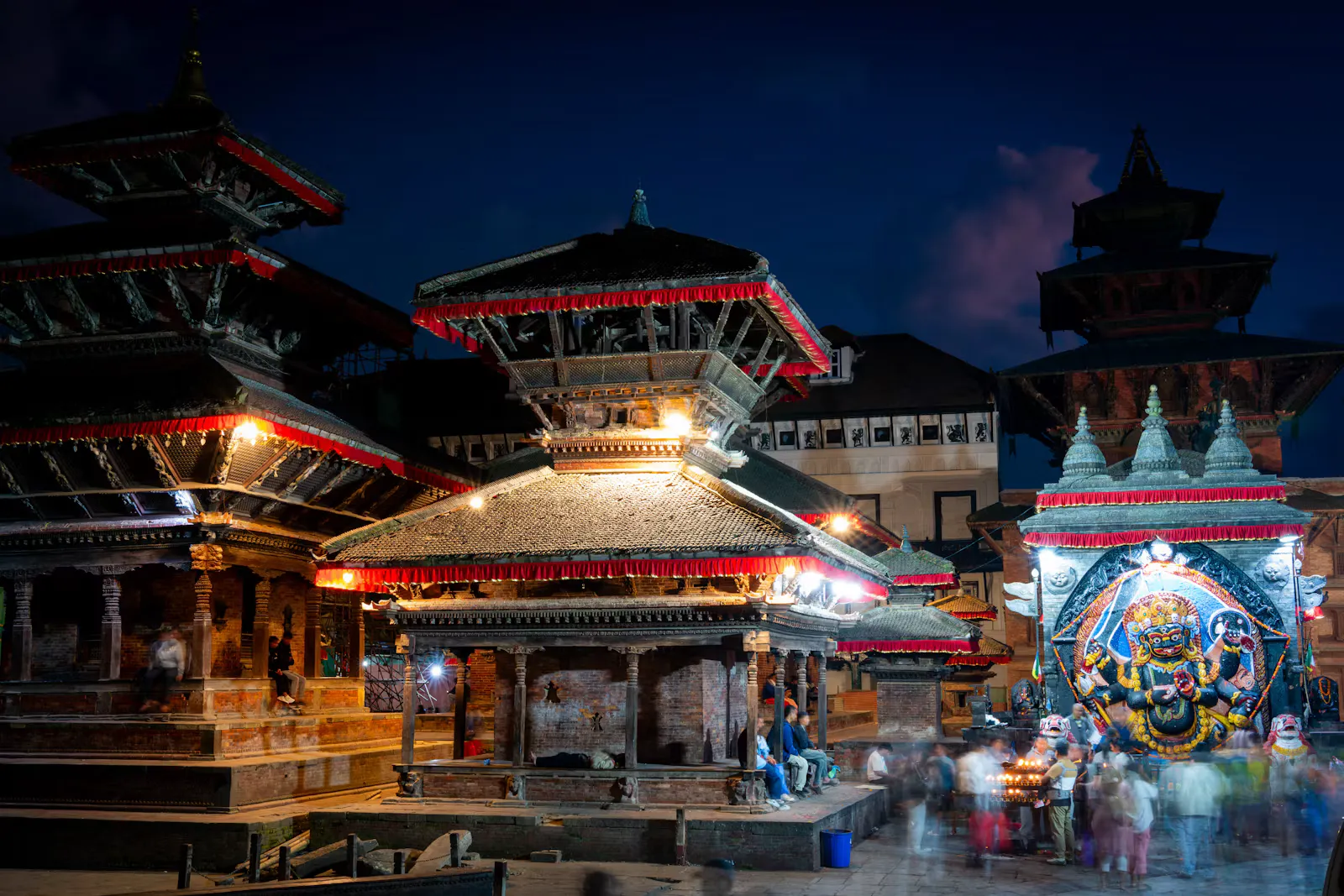
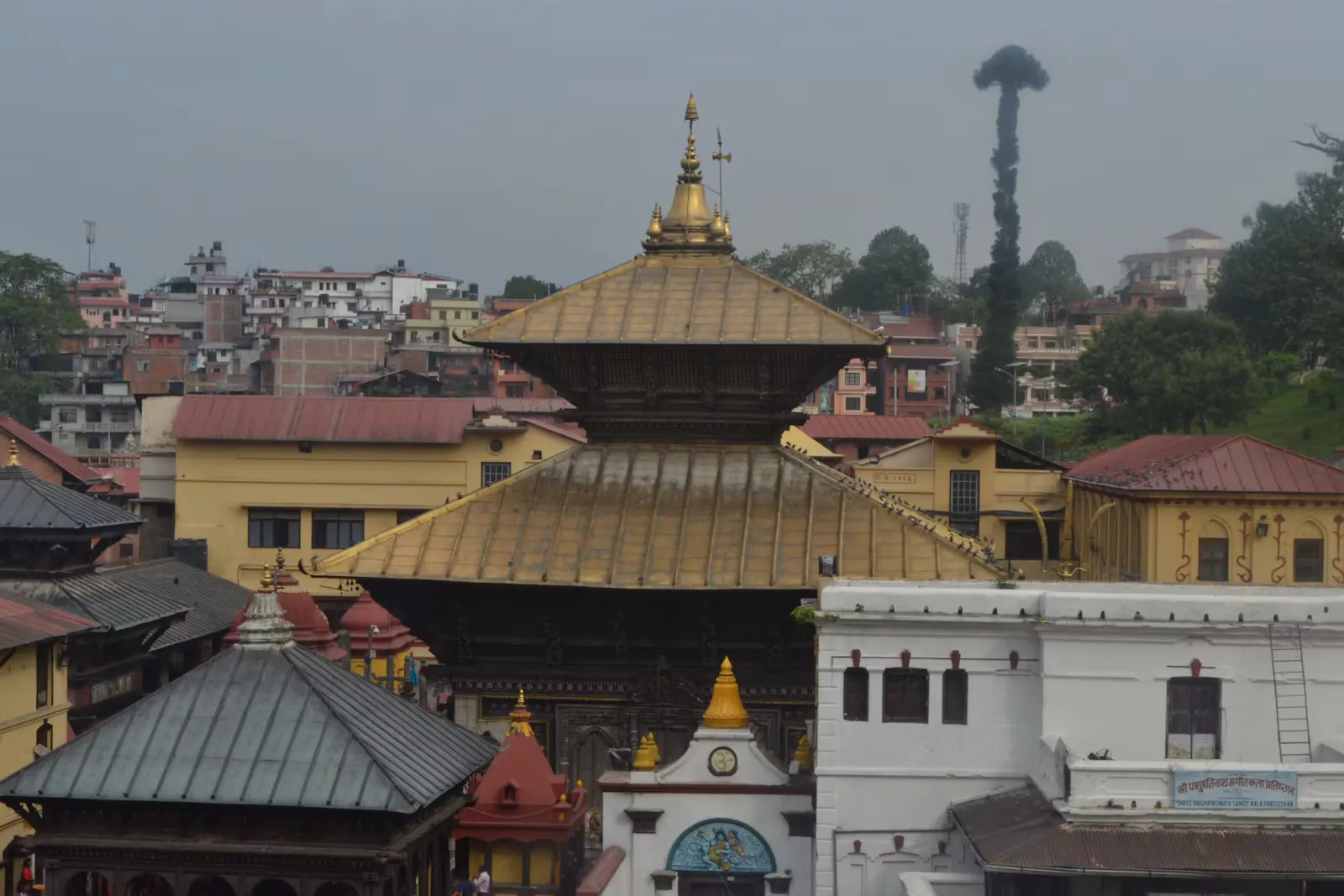
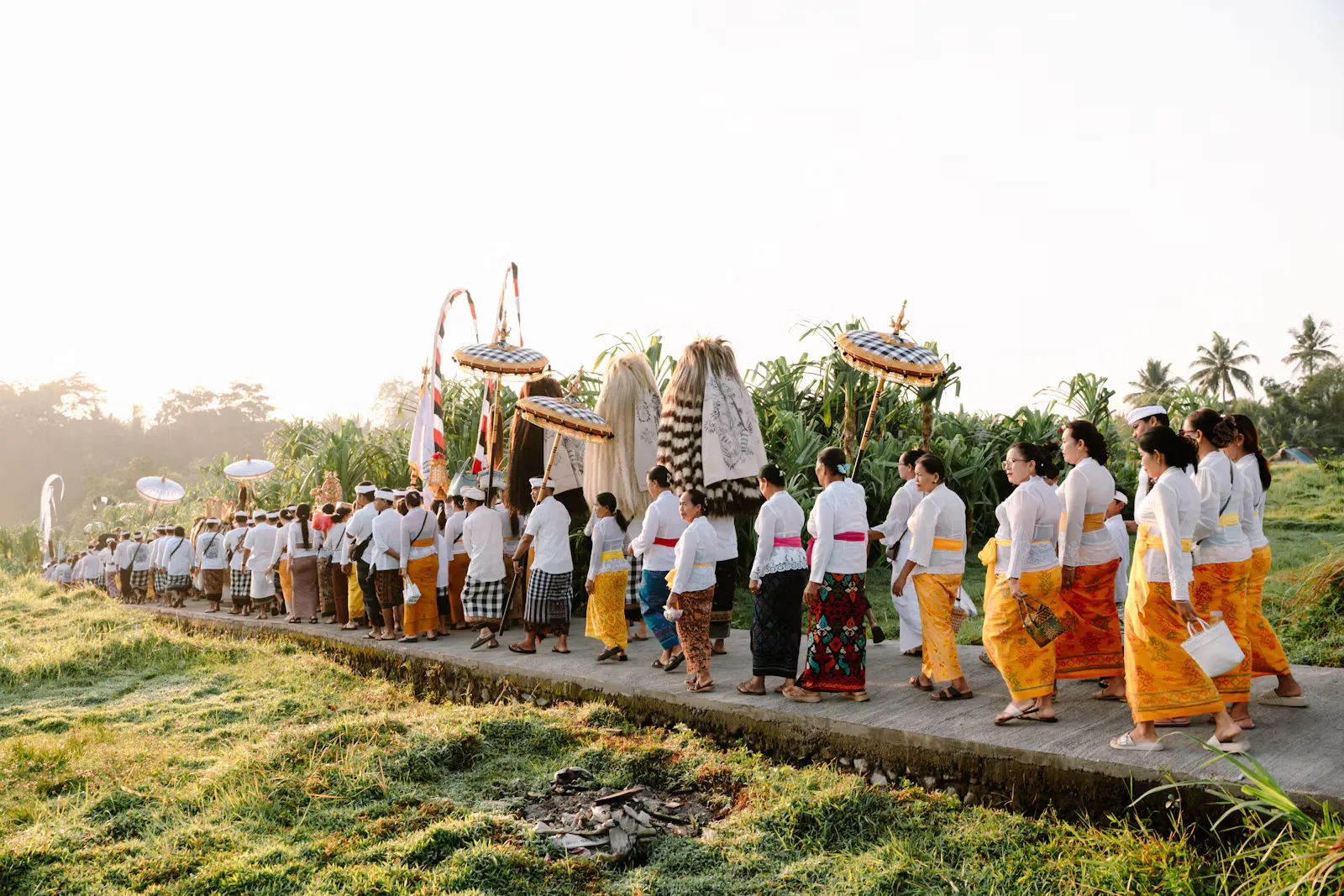
Temples and stupas are where Nepal culture has the clearest rules. The Nepal Tourism Board says some Hindu temples do not allow non-Hindus to enter, leather articles are prohibited inside some temple areas, and walking around temples or stupas is traditionally done clockwise. The UK government adds that you should avoid shorts and sleeveless tops in holy places.
What that looks like on a weekend trip to Kathmandu or a lakeside temple in Pokhara:
Check the sign at the gate. If it says Hindus only, you can usually still see the temple from outside or from a viewing point. Don't argue with the guard.
Shoes off where asked. The UK government says you must remove your shoes before entering certain holy places. Wear slip-on shoes on temple days.
Leave the leather. A leather belt, wallet or bag can be a problem in some temple areas, so swap them for fabric ones.
Walk clockwise. Keep the stupa or shrine on your right as you walk round it.
Ask before photos. The Nepal Tourism Board says photographs should be taken only after receiving permission from the person or object. Cremation sites deserve extra care.
Why do your hands, feet and food matter in Nepal?
Hands, feet and food matter because Nepal culture links them to purity. The Nepal Tourism Board says the right hand is considered pure and is used to eat, pay, give and receive, while touching something with your feet or using the left hand to give or take may not be considered auspicious. Food touched by someone's mouth is "jutho", or impure.
In practice, three habits cover most situations:
Hand things over with your right hand, or with both hands for something important, such as a form, money or a patient's file.
Keep your feet off chairs and tables, and don't step over someone sitting on the floor. Apologise if your foot touches a person or a book.
Don't offer someone food from your plate or a drink from your bottle. The Nepal Tourism Board says sharing jutho food is generally reserved for close family and friends.
None of this is a test. People know you're a visitor, and most will laugh off a mistake. But getting it right in your first week shows respect, and that's what people remember.
What should you wear in Nepal?
Wear loose clothes that cover your shoulders and knees. The UK government advises against shorts and sleeveless tops in temples and holy places, and the Nepal Tourism Board says skimpy outfits on women are frowned upon, especially in rural areas. In Pokhara's tourist streets you'll see more relaxed dress, but on the ward and in villages, modest is right.
For the hospital, follow the dress code your host gives you: usually scrubs or smart clothes and a white coat, closed shoes and a name badge. Our packing list for a clinical internship abroad covers what to bring. A light scarf is useful too: it covers your shoulders at a temple and keeps the dust off on a bus ride.
Secure Information Material
Request all the important info for free, no obligation.
How does Nepal culture show up on the hospital ward?
On the ward, Nepal culture shows up as respect for seniority, modest dress, careful touch and patience with language. Nepali is the mother tongue for 44.6% of the population, so many patients speak another first language. The Nepal Tourism Board's rules on permission before photos, right-hand use and modest clothing apply at work as well as on the street.
Here is how our students translate that into ward behaviour:
Follow the senior staff. Watch how the nurses and doctors greet patients and families, and copy them. It's the quickest way to learn what's expected here.
Ask before you examine. Explain what you're about to do, through a colleague if needed, and ask for consent. With patients of the opposite sex, check what local staff do about a chaperone.
No patient photos. Not for your logbook, not for social media, not even with the face hidden. It's an ethics question at home and a respect question in Nepal.
Keep affection private. The Nepal Tourism Board calls public displays of affection "scandalous". That applies to couples on placement together too.
Festivals are the loudest part of Nepal culture, and they can change your placement week. The Embassy of Nepal calls Dashain "the longest and the most important festival of Nepal", falling between late September and mid-October. Tihar and Chhath follow, and Buddha Jayanti, Maha Shivaratri and the Sherpa festival Mani Rimdu are also on the calendar. "Most festivals include dancing and music", the Embassy notes.
For a student, festivals mean two things. First, hospitals and offices can run on reduced staff, and buses fill up as families travel home. Second, you may be invited to a celebration, which is one of the best ways to see Nepal culture from the inside. Our guide to Dashain and your Nepal elective explains what happens to the wards during the biggest festival of the year. Festival dates move from year to year, so check them with your host before you book.
What food will you eat in Nepal?
You'll mostly eat dal bhat. The Nepal Tourism Board says the regular Nepali meal is daal (lentil soup), bhat (boiled rice) and tarkari (curried vegetables), and that momos, steamed or fried dumplings, are one of the most popular snacks. Curried meat is popular but often saved for special occasions. The slaughter of cows is illegal in Nepal.
Cows are sacred in Hinduism, and the Embassy of Nepal says they are never considered acceptable for sacrifice. So don't expect beef on the menu, and don't joke about it. Regional food is part of Nepal culture too: the Nepal Tourism Board names the Newar and Thakali cuisines as distinct styles worth trying. Our Austrian sister site's guide to food in Nepal during a placement (in German) lists dishes and hygiene tips.
Which laws are linked to customs in Nepal?
A few customs are backed by law, and drug rules are strict. The UK government says penalties for drug offences in Nepal are severe: even a small amount of marijuana can lead to more than five years in prison, and some CBD products are illegal. It also calls Nepal generally tolerant on LGBT+ issues, and same-sex relations are not illegal.
The other rules to keep in mind:
Public affection. The UK government says showing affection in public, whatever your sexuality or gender, is viewed by Nepalis as inappropriate.
Wildlife. It's illegal to buy, sell, kill or capture any wild animal or trade its parts without a licence, so skip souvenirs made from animal parts.
Cows. The Nepal Tourism Board says the slaughter of cows is illegal.
Use this list from booking to your first day on the ward. It turns the customs above into things you can actually do.
Learn the greeting. Practise "Namaste" with joined palms before you fly, and ask your host team for a few polite Nepali phrases in week one.
Pack modest clothes. Bring loose trousers or long skirts, tops that cover your shoulders, a light scarf and slip-on shoes.
Swap leather for fabric. Take a fabric belt and wallet for temple visits.
Use your right hand. Eat, pay, give and receive with your right hand from the first day, so it becomes a habit.
Ask before every photo. Ask people and temple staff first, and never photograph patients.
Check the festival calendar. Ask your host which festivals fall in your weeks and how they change the ward routine.
Watch, then copy. In your first week, watch how local nurses and doctors greet, examine and talk to patients, and follow their lead.
Quick reference: do and don't in Nepal
Situation
Do
Don't
Source
Greeting
Say "Namaste" with your palms joined
Assume a head wobble means "no"
Nepal Tourism Board
Homes and temples
Take your shoes off where asked
Wear leather in temple areas that ban it
Nepal Tourism Board, UK government
Temples and stupas
Walk round clockwise
Enter a temple closed to non-Hindus
Nepal Tourism Board
Clothing
Cover shoulders and knees
Wear shorts or sleeveless tops in holy places
UK government
Hands and food
Eat, pay, give and receive with your right hand
Share food or drinks you've put to your mouth
Nepal Tourism Board
Photos
Ask for permission first
Photograph patients or people without consent
Nepal Tourism Board
Affection
Keep it private
Kiss or cuddle in public
UK government, Nepal Tourism Board
Your placement in Nepal with travel4med
We place medical, nursing and physician assistant students at Manipal Pokhara Teaching Hospital, an academic teaching hospital at the foot of the Himalayas, with placements starting on Mondays. You live with other interns, our team prepares you for the formalities, and weekends stay free for trips. Read more on our Pokhara, Nepal destination page, and see our Nepal currency guide and getting around Sri Lanka and Nepal for the practical side. Thinking about Sri Lanka instead? Our Sri Lanka culture guide covers the same ground for that island.
Nepal Tourism Board. Cultural etiquette (Namaste, head movements, shoes, hands and feet, temples closed to non-Hindus, leather, clockwise, photography, jutho, clothing, public affection): ntb.gov.np (accessed 11 November 2026).
Nepal Tourism Board. About Nepal: Culture (secular state since 18 May 2006, religions, customs, right hand, cow slaughter illegal, dal bhat, momos, Newar and Thakali cuisines): ntb.gov.np (accessed 11 November 2026).
Embassy of Nepal, London. Culture and Society of Nepal (123 languages and Nepali 44.6%, Maithili 11.7% in the 2011 census; Hindu 80.6%, Buddhist about 11%, Kirant 3.6%, Islam 3.2%, Christian under 0.5% in the 2001 census; Dashain, Tihar, Chhath and other festivals; cows never acceptable for sacrifice): nepalembassy.gov.np (accessed 11 November 2026).
UK Foreign, Commonwealth and Development Office. Nepal travel advice, Safety and security (temples, dress in holy places, shoes, public affection, LGBT+, drugs and CBD, wildlife): gov.uk (accessed 11 November 2026).