English-Speaking Medical Electives: Where English Works
English-speaking medical electives are clinical placements where the medical team teaches, documents and discusses cases in English, so you can learn on the ward without speaking the local language first. That is the honest promise. The catch is that patients often speak something else, so English-speaking medical electives still need a plan for the bedside, and this guide shows you how to build one for Sri Lanka, Nepal, Bali and Zanzibar.
Researched and written by Celina Köhsl, medical student and member of the travel4med team. Destination details reviewed by Nils-Andre Stritt, whose remit at travel4med covers organisation, destinations and student advice.
Key Takeaways
Two meanings. English-speaking medical electives can mean a country where English is the everyday language, or a hospital where English is the language of teaching and notes. Those are not the same thing.
Teaching language is not patient language. A 2025 review of 49 studies with over 14,500 students found that language barriers in foreign-language medical education "significantly impede" academic performance and patient communication.
Even local students feel it. In a survey of 837 medical students in Sri Lanka, 53.4% said textbooks in Sinhala would help and 61% expected better clinical exam results in Sinhala.
Visiting students feel it most. A study of 29 Western students on electives in sub-Saharan Africa named language barriers as the main challenge, even where English was the second language.
Ask before you book. The useful question is not "is this country English-speaking?" but "in which language does this ward hand over, write notes and teach?"
What counts as an English-speaking medical elective?
An English-speaking medical elective is one where you can follow the clinical work in English: ward rounds, case discussions, teaching and the written record. You don't need to be fluent in the local language to learn there, although you will still meet patients who speak only their own.
People who search for English-speaking medical electives usually mean one of two very different set-ups:
English is the country's main language. The UK, Ireland, the US or Australia. Everything runs in English, including the history you take. These placements are popular, so check each host school's own application rules early.
English is the language of medicine, not of the street. Many countries teach medicine in English even though most patients speak another language. The 2025 review we quote below describes this as adopting "a foreign language (mostly English)" for medical education. Here the team talks to you in English, and a doctor, nurse or local student bridges the conversation with the patient.
All four of our destinations offer English-speaking medical electives of the second kind. That is good news if you want real clinical exposure at a sensible cost, and it is exactly why you should plan the language side on purpose. If you are still comparing destinations in general, our guide to medical electives abroad covers the bigger picture.
Ready for your adventure abroad?
Secure your spot for your internship abroad now.
Why doesn't English on the ward mean English at the bedside?
Because the people who teach you learned medicine in English, while the people you examine grew up with Sinhala, Tamil, Nepali, Indonesian, Balinese or Swahili. The team switches languages all day. You only follow one of them.
The research is clear on this. A systematic review published in BMC Medical Education in May 2025 pooled 49 studies involving over 14,500 students in countries that teach medicine in a foreign language. Its conclusion: language barriers in this kind of education "significantly impede students' academic performance and patient communication skills." That is about local students in their own country, not visitors.
Two findings from that review show how wide the gap can be:
In one study from India (165 students), "only 11.5% of students could communicate comfortably in the local language, while 88.5% could not."
In Sri Lanka (837 students, the Seneviratne study), 53.4% believed that medical textbooks in Sinhala would help, and 61% felt their clinical examination performance would improve if it were held in Sinhala.
Source: Hamad et al., "Decolonizing medical education: a systematic review of educational language barriers in countries using foreign languages for instruction", BMC Medical Education, 13 May 2025, reporting the Seneviratne survey of 837 students in Sri Lanka.
Now picture yourself as the visitor. A study in Medical Education (2014) interviewed 29 Western students on electives at seven host sites in three low-income countries of sub-Saharan Africa. The authors wrote: "Language barriers were the main challenges faced by students, even in places where English was the second language."
So English-speaking medical electives are real, and they work well. You just have to accept that English carries the teaching, and someone else often carries the conversation with the patient.
How English-speaking are our four destinations?
Each of our four destinations offers English-speaking medical electives in the sense of hospital English, but none of them is an English-first country. The table below sticks to what our own destination pages state about language and where you work. It does not rate one hospital against another, because how much English you hear depends on the department and the team.
Destination
Where you work with us
Everyday languages (our destination page)
What our page says about English
Galle, Sri Lanka
National Hospital Galle (formerly Karapitiya Teaching Hospital, affiliated with the University of Ruhuna's Faculty of Medicine), Mahamodara Maternity Hospital, District Ayurvedic Hospital
Sinhala and Tamil (official)
Widely spoken, especially in tourism
Pokhara, Nepal
Manipal Pokhara Teaching Hospital
Nepali (official)
Widely understood and spoken, especially in tourism and urban areas
Bali, Indonesia
RSU Bangli Hospital, a teaching hospital affiliated with Udayana University
Bahasa Indonesia (official), Balinese
The common foreign language in tourist areas
Zanzibar, Tanzania
Lumumba Regional Hospital
Swahili
Widely used in medical contexts
A few honest notes for each place:
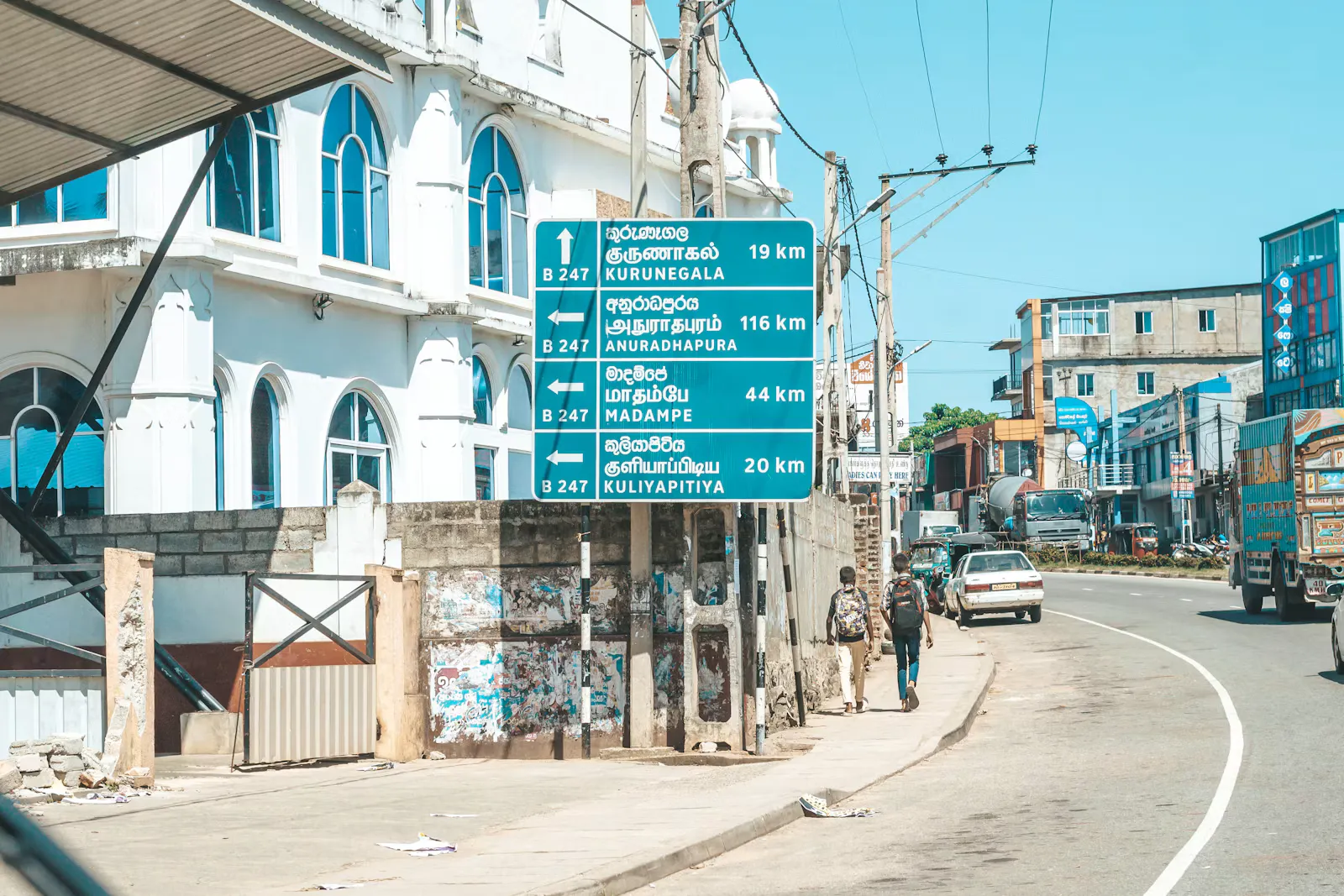
Sri Lanka. You train alongside Sri Lankan students at a university-affiliated hospital, and Sri Lanka is one of the countries in the 2025 review where medicine is taught in English. Expect English in teaching and Sinhala or Tamil with many patients. Our medical elective in Sri Lanka guide covers the hospitals in more depth.
Nepal. Our page describes English as widely understood in tourism and urban areas, which is not the same as every patient on the ward. Our posts on a medical elective in Nepal and a nursing placement in Nepal explain the hospital and the setting.
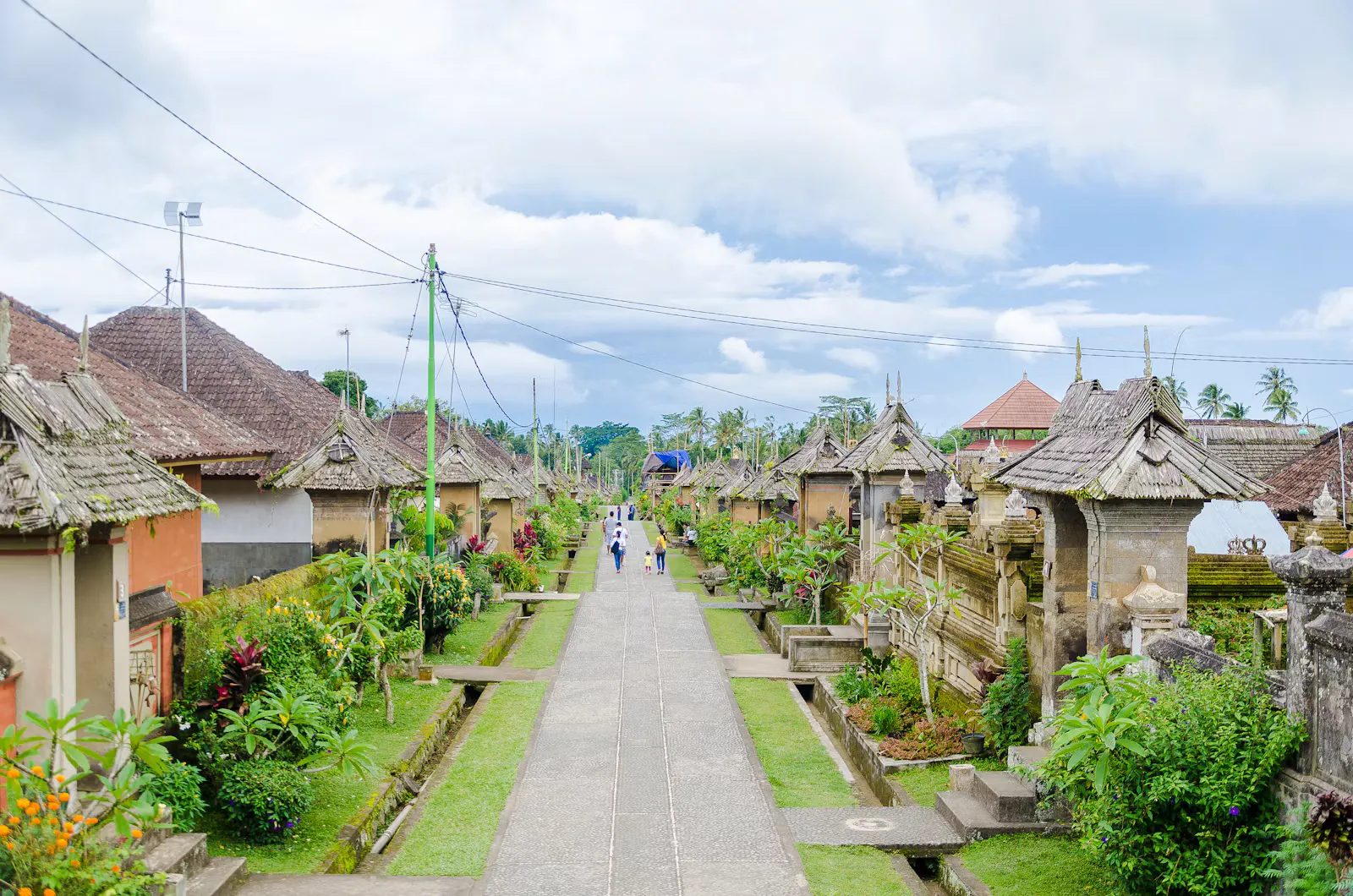
Bali. Our page calls English the common foreign language in tourist areas, and a hospital ward is not a tourist area, so don't assume resort English on the ward. Medical students are registered as elective students at RSU Bangli. Our overview of medical electives in Asia compares Bali with Sri Lanka and Nepal.
Notice what is missing: a national "English score" for each country. We don't publish one, because a country average tells you nothing about the cardiology ward you'll join. Your department does.
Choosing the destination that fits your language comfort
When you compare English-speaking medical electives, pick by what you want from the bedside, not by a general reputation for English. Ask yourself three questions:
Do you want to take histories yourself? Then you need either the patient's language or a reliable person who translates for you. Plan for a translator in all four destinations, and pick a longer stay so the team learns to trust you.
Is your English itself the hurdle? If English is your second language too, a university-affiliated teaching hospital with regular student teaching (Galle, Pokhara or Bangli) gives you the most structured English input.
Do you want to learn a new language on the side? Then choose the place whose language you'd actually keep using. Our language barriers guide has practical tips for picking up the basics on the ground.
Timing matters as well. A four-week block gives you barely enough time to tune in to accents and abbreviations. If you can, go for six weeks or more, and see our notes on the best time for a medical elective abroad.
How do you check the ward language before you book?
Ask in writing, ask specific questions, and ask the people who run the department. Countries don't run English-speaking medical electives; departments do. Here's the sequence that works:
Check your own school's rules first. Some medical schools set a language requirement for electives, many don't. Your elective office decides whether the placement counts, not the host hospital and not us.
Name your specialty. Language use differs between, say, an operating theatre and a busy outpatient clinic. Decide on your department before you ask about language.
Ask three precise questions. In which language does the team hand over? In which language are notes and charts written? In which language is student teaching held?
Ask who bridges the bedside. Will a doctor, nurse or local student translate patient conversations, and how should you take part in consent and history taking?
Ask whether you need proof of English. If English isn't your first language, ask the host whether it wants a certificate. Don't pay for a test until someone tells you in writing that you need one.
Learn the first 30 phrases. Greetings, "where does it hurt?", "thank you" and numbers go a long way with patients, even on English-speaking medical electives.
Plan a settling-in week. Use your first week to learn the local abbreviations and how the team presents cases.
Want to turn this into a learning plan? Our guide to elective learning objectives shows how to write language goals next to clinical ones.
Secure Information Material
Request all the important info for free, no obligation.
Do you need an English test for English-speaking medical electives?
Not necessarily, and there is no single answer for English-speaking medical electives. No international rule sets an English level for electives. Each host hospital and each home school decides for itself, so the only reliable answer is the one you get in writing from both.
English tests become a real requirement later, when you register to work as a doctor in an English-speaking country. If that's your long-term plan, our guide to the OET exam for medical students explains how that test works. For English-speaking medical electives, though, good everyday English plus the medical vocabulary of your specialty is what counts.
German-speaking students face the same question in their own system. Our Austrian sister site covers it for them in German: Famulatur im englischsprachigen Ausland, and travel4med.de has a German phrase guide to medical English for placements. Both are written for DACH students and their recognition rules, which do not apply to you, but the language advice travels well.
How do you work with patients who don't speak English?
Through the team, with patience, and within your role. This is the part of English-speaking medical electives that nobody advertises. On English-speaking medical electives you'll often examine while someone else asks the questions. That is normal, and it is good practice for a skill you'll need at home too.
Agree the set-up first. Ask your supervisor who translates and how you should introduce yourself.
Speak to the patient, not the translator. Look at the person in front of you and keep questions short.
Never guess on consent. If you're unsure the patient understood, stop and ask the team. Consent is not something a visiting student improvises.
Write down what you hear. Keep a pocket list of local terms for symptoms and body parts.
The ethics behind this are covered in our guide to an ethical medical elective abroad. The short version: you are a guest learner, and language limits are one more reason to stay within what your training allows.
Want to know how much English you'll hear on your ward? We organise medical electives, clinical placements, final-year placements, nursing placements, physician assistant placements and observerships in Sri Lanka, Nepal, Bali and Zanzibar, including the final-year placement in Bali, with housing, meals and local support. Book a free consultation and ask us about the language set-up of your department, or compare all destinations. travel4med is part of the futuredoctor group ecosystem, which supports students from application to graduation.
Frequently Asked Questions
Sources
Hamad AA et al. "Decolonizing medical education: a systematic review of educational language barriers in countries using foreign languages for instruction". BMC Medical Education 25:701, published 13 May 2025 (49 studies, over 14,500 students; Seneviratne survey, Sri Lanka, n = 837; Amulya survey, India, n = 165): pmc.ncbi.nlm.nih.gov (accessed 22 October 2026).
Kumwenda B, Royan D, Ringsell P, Dowell J. "Western medical students' experiences on clinical electives in sub-Saharan Africa". Medical Education 48(6):593 to 603, June 2014 (29 students, seven host sites): discovery.dundee.ac.uk (accessed 22 October 2026).