Pneumonia on a Medical Elective: What Students Will See
Pneumonia is the infection you are most likely to meet on a paediatric ward abroad, and the one that kills the most children. The World Health Organization calls pneumonia "the single largest infectious cause of death in children worldwide": it killed 740,180 children under five in 2019, and deaths are highest in southern Asia and sub-Saharan Africa. That is the part of the world where a travel4med placement sends you.
Key Takeaways
Pneumonia is the biggest infectious killer of young children. WHO counts 740,180 deaths of children under five in 2019, which is 14% of all deaths in that age group and 22% of deaths in children aged 1 to 5.
The diagnosis in a small child is made by counting and looking. WHO's IMCI chart defines fast breathing as 50 breaths per minute or more from 2 to 12 months, and 40 or more from 12 months to 5 years. Lower chest wall indrawing counts too.
Oxygen decides a lot. WHO says hypoxaemia raises a child's risk of dying from pneumonia by up to 5 times, and its chart tells health workers to refer a child whose oxygen saturation is below 90% when a pulse oximeter is available.
Treatment is cheap and often missing. Amoxicillin dispersible tablets are the first line antibiotic, yet WHO says only one third of children with pneumonia get the antibiotics they need.
World Pneumonia Day is Thursday 12 November 2026. If your placement overlaps it, expect ward teaching, vaccination drives and questions from local staff about how your country handles it.
What is pneumonia, and why is it a paediatric story?
Pneumonia is, in WHO's words, "a form of acute respiratory infection that affects the lungs." The air sacs (alveoli) fill with pus and fluid, which makes breathing painful and cuts the oxygen a child can take in. It's caused by bacteria, viruses or fungi. WHO names Streptococcus pneumoniae as the most common bacterial cause in children, Haemophilus influenzae type b (Hib) as the second, and respiratory syncytial virus as the most common viral one.
Adults get it too, of course. You'll see older patients with it on any medical ward. But the death toll is lopsided. WHO's own fact sheet is titled "Pneumonia in children" for a reason, and that is where your placement will teach you the most. A child's immune system, WHO notes, can be weakened by malnutrition or undernourishment, especially in infants who are not exclusively breastfed. Pre-existing illness such as symptomatic HIV infection or measles raises the risk further. So do indoor air pollution from cooking and heating with wood or dung, crowded homes and parents who smoke.
Put those risk factors together and you have the reason an admission on a ward in Nepal or Zanzibar can look very different from one at home. The child may be smaller than you expect for their age. They may have arrived late, after days at home. And the ward may be running on far fewer tools than you're used to.
Ready for your adventure abroad?
Secure your spot for your internship abroad now.
How many children does pneumonia kill?
Fewer than it used to, and still far too many. When the first World Pneumonia Day was held in 2009, the Every Breath Counts coalition reports, pneumonia "was killing 1.2 million children each year." WHO's figure for 2019 is 740,180 children under five. The coalition's latest estimate, for 2023, puts total pneumonia deaths at 2.5 million people of all ages, including 610,000 children under five.
Those three numbers come from different estimating bodies and different years, so read them as a direction of travel, not one tidy series. The direction is clear, though: fewer children are dying, and the disease is still the single largest infectious killer of children on WHO's own reading. The coalition adds that 60% of these child deaths are attributable to malnutrition.
Reported deaths from pneumonia in children under five. Sources: World Health Organization, "Pneumonia in children" fact sheet, 11 November 2022 (2019 figure); Every Breath Counts coalition, World Pneumonia Day page (2009 and 2023 figures).
How does WHO classify pneumonia in a child?
WHO classifies the disease in children aged 2 to 59 months by what a health worker can see and count, without an X-ray. Since the 2014 revision there are two treatment categories: "pneumonia" (fast breathing and/or chest indrawing), treated with oral amoxicillin, and "severe pneumonia" (any general danger sign), which needs referral and injectable antibiotics.
That 2014 change mattered. Before it, chest indrawing alone meant referral for injectable penicillin. WHO's evidence summary explains that oral amoxicillin works just as well for those children when they are 3 to 59 months old, so those children can now be treated at home. You will still see many of them admitted, because "safe to treat at home" assumes a home the family can get back from and a follow-up visit they can reach.
The IMCI chart booklet (IMCI stands for Integrated Management of Childhood Illness, WHO's colour coded triage system for sick children) turns this into a table that health workers use at the bedside. Here is the part that covers cough or difficult breathing:
What the health worker finds
IMCI classification
What the chart says to do
Any general danger sign, or stridor in a calm child
Pink: severe pneumonia or very severe disease
Give the first dose of an appropriate antibiotic and refer urgently to hospital
Chest indrawing or fast breathing
Yellow: pneumonia
Give oral amoxicillin for 5 days; follow up
No signs of pneumonia or very severe disease
Green: cough or cold
Soothe the throat, advise the mother when to return
Cough for more than 14 days, or recurrent wheeze
Any colour
Refer for possible TB or asthma assessment
The general danger signs, as WHO's 2014 evidence summary lists them, are: not able to drink, persistent vomiting, convulsions, being lethargic or unconscious, stridor in a calm child, or severe malnutrition. Learn that list before you fly. It is the fastest way to earn a nod from the nurse running triage.
This is WHO's framework, and national programmes adapt it. Sri Lanka, Nepal, Indonesia and Tanzania each publish their own child health guidance. Your host hospital follows its own protocol, and that protocol beats anything you read here.
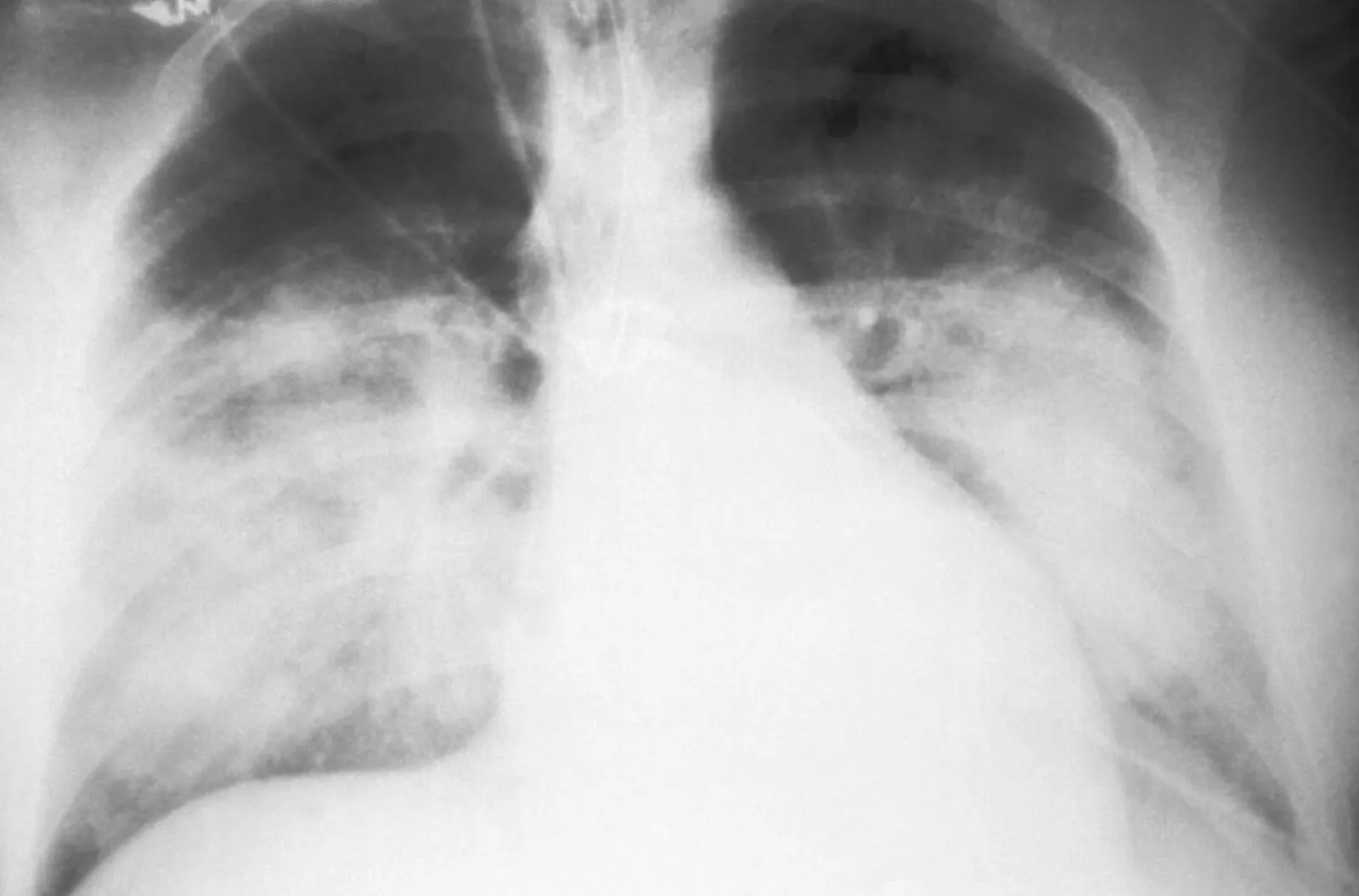
A chest X-ray helps when it's available, but WHO's IMCI approach is built so that a sick child can be classified without one.
How do you count breaths and spot chest indrawing?
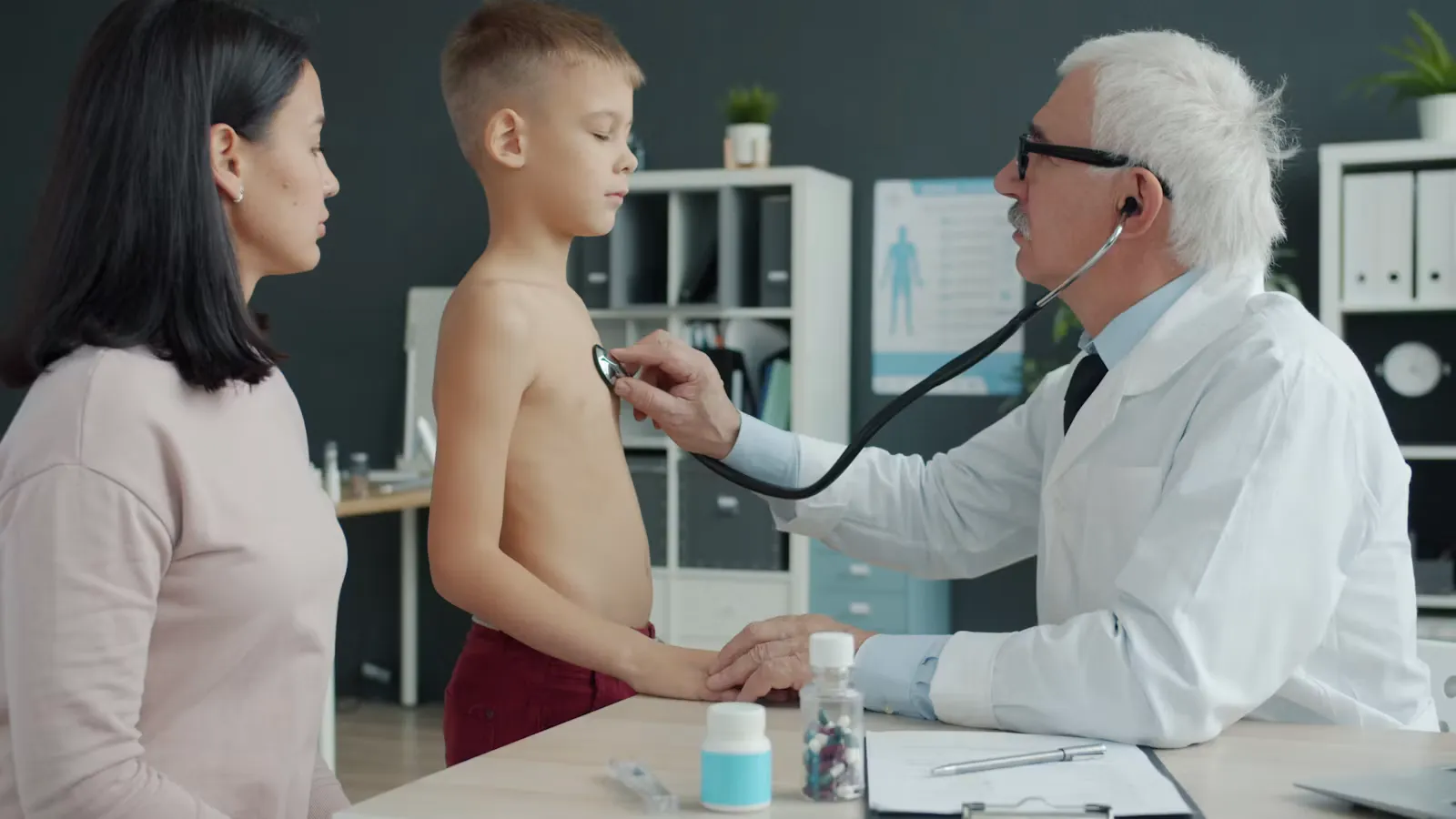
You count breaths for one full minute with the child calm, then you look at the lower chest wall. That's the whole skill, and it's harder than it sounds with a crying toddler on a parent's lap. The IMCI chart puts it plainly: "Count the breaths in one minute. Look for chest indrawing. Look and listen for stridor. Look and listen for wheezing. CHILD MUST BE CALM."
Here is how to practise it on the ward, under supervision:
Ask first. Ask the parent whether the child has a cough or difficult breathing, and for how long. More than 14 days changes the question to TB or asthma.
Wait for calm. A child who is crying, feeding hard or has just been lifted will breathe fast for reasons that have nothing to do with the lungs. Let the child settle on the parent.
Uncover the chest. Lift the shirt gently, with the parent's permission. You can't count what you can't see.
Count a full 60 seconds. Use a watch with a second hand or your phone's timer. Don't count 15 seconds and multiply; breathing in small children is irregular.
Compare with the threshold. Fast breathing is 50 breaths per minute or more from 2 months up to 12 months, and 40 or more from 12 months up to 5 years.
Look at the lower chest wall. Chest indrawing means the lower chest moves in when the child breathes in, where a healthy chest expands.
Report to your supervisor. Say the rate, the age band and whether you saw indrawing. Then let the clinician classify and treat.
Age of the child
Fast breathing threshold (IMCI)
2 months up to 12 months
50 breaths per minute or more
12 months up to 5 years
40 breaths per minute or more
You'll get this wrong a few times at first. Everybody does. Ask a nurse to count alongside you and compare numbers, which is exactly how local students learn it too.
Why does oxygen decide who survives?
Because a child who can't get enough oxygen into the blood (hypoxaemia) is in real danger. WHO's manual "Oxygen therapy for children" states that "for a child with pneumonia hypoxaemia increases the risk of death by up to 5 times." It also notes that hypoxaemia "is often not well recognized or well managed more so in settings where resources are limited."
The fix WHO recommends is not exotic. It's pulse oximetry, a clip on the finger or toe that reads blood oxygen saturation, plus a reliable supply of oxygen. In many remote settings, WHO says, that supply can come from oxygen concentrators, which can run on regular or alternative power. The IMCI chart builds this in: if a pulse oximeter is available, check the saturation and refer the child if it's below 90%.
On placement, this is where you'll learn the most about how a health system actually works. You might see a hospital with piped oxygen in one ward and a single shared concentrator in another. You might see a nurse moving one oximeter from bed to bed. Notice it, ask about it, and don't comment on it in front of families. It's the reality staff work with every day, and they know it better than you.
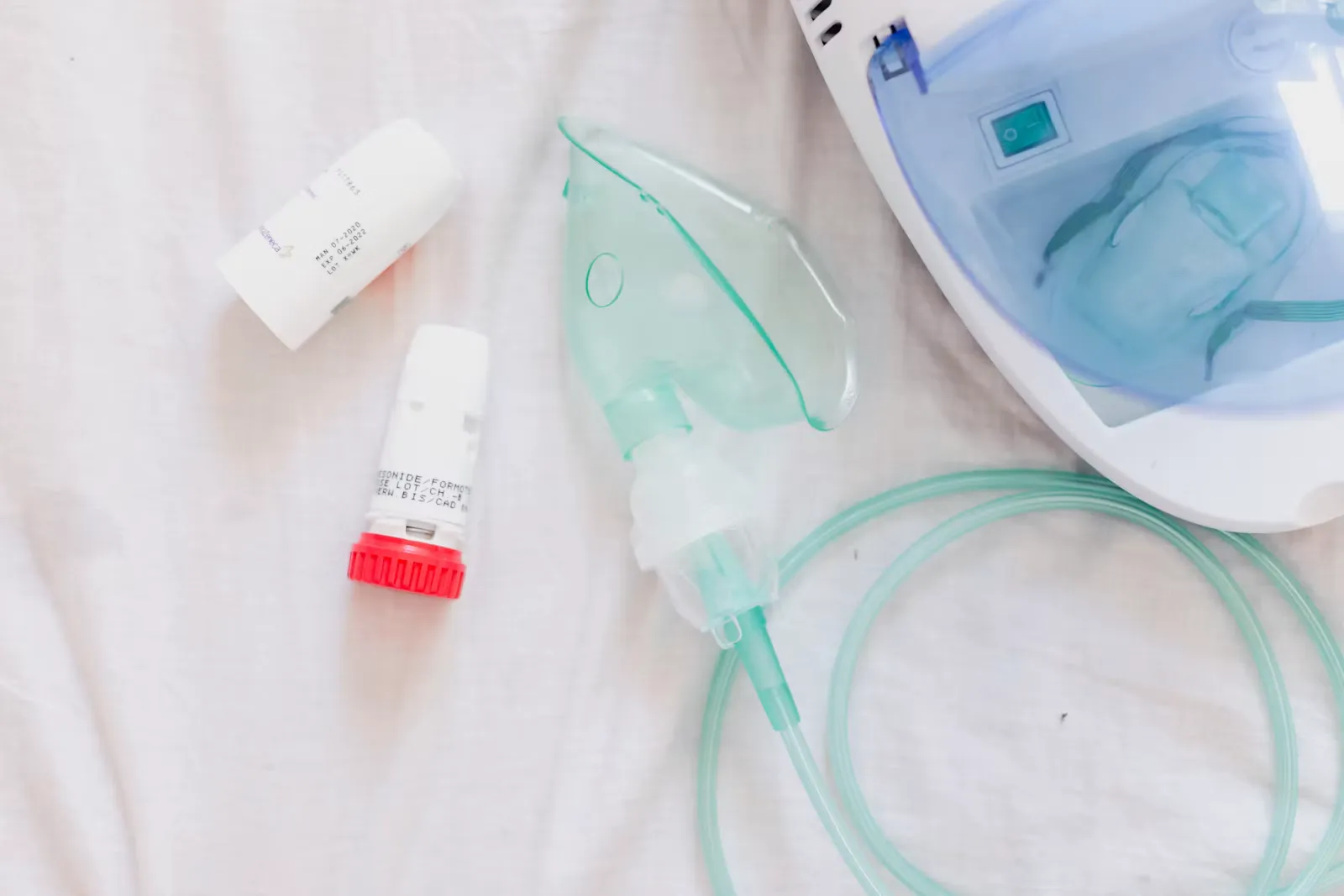
Masks, tubing and inhalers are everyday kit on a paediatric respiratory ward. Oxygen and pulse oximetry are what WHO says make the biggest difference.
Secure Information Material
Request all the important info for free, no obligation.
Antibiotics for bacterial pneumonia, and supportive care for everyone. WHO states that "the antibiotic of choice for first line treatment is amoxicillin dispersible tablets." The 2014 revision recommends at least 40 mg/kg per dose twice daily for five days for fast breathing and for chest indrawing, and says three days is enough for fast breathing alone in areas with low HIV prevalence. The severe category gets parenteral ampicillin (or penicillin) plus gentamicin as first line.
Here's the uncomfortable number. WHO says only one third of affected children receive the antibiotics they need. That gap is not about the drug, which is cheap. It's about reaching care in time. You may meet a child who was ill at home for days before the family could get to hospital, and that changes everything about how sick they are on arrival.
Antibiotic choice also connects to resistance. If you want to understand why local guidelines sometimes differ from the textbook, read our guide to antibiotic resistance on a medical elective before you go. For the lung itself, the German language overview of pulmonology as a specialty on dein-medizinstudium.de is a useful refresher on what a respiratory physician actually does.
Which vaccines prevent pneumonia, and how many children get them?
WHO calls immunisation against Hib, pneumococcus, measles and whooping cough (pertussis) "the most effective way to prevent pneumonia." So vaccination coverage tells you a lot about the cases you'll see. WHO's immunisation coverage fact sheet, updated 15 July 2026, gives the global picture for 2025.
Global coverage of vaccines that protect against pneumonia, 2025. Source: World Health Organization, "Immunization coverage" fact sheet, 15 July 2026.
Two details from the same fact sheet are worth knowing. The pneumococcal vaccine had been introduced in 169 Member States by the end of 2025, and the Hib vaccine in 193. And Hib coverage varies hugely by region: WHO estimates 94% in its South-East Asia Region (the WHO region Sri Lanka, Nepal and Indonesia belong to) and only 45% in its Western Pacific Region. Those are regional figures. They tell you nothing about the village your patient comes from, so don't quote them as a country fact.
Your own vaccinations are a separate question. See our guide to vaccinations for a medical elective abroad and talk to your occupational health service before you travel.
Protecting yourself on a respiratory ward
Treat every coughing patient as potentially infectious, because some will be. WHO notes that the germs behind pneumonia can spread through air-borne droplets from a cough or sneeze. On a busy paediatric ward, that means the same basics every time: hand hygiene before and after each patient, a mask when the ward policy asks for one, and no examining a coughing patient at close range without the protection staff are using.
The bigger concern for you is not the children's chest infections themselves. It's tuberculosis, which can look like a chest infection that won't settle, and which is why the IMCI chart sends a child with more than 14 days of cough for a TB assessment. Our guide to tuberculosis on a medical elective covers screening before and after your placement. If you have a needlestick or splash while taking bloods, follow the steps in our needlestick injury guide, and check that your medical elective insurance covers occupational exposure.
When is World Pneumonia Day 2026?
World Pneumonia Day 2026 is on Thursday, 12 November. The Every Breath Counts coalition describes it as "a global day of action" held each year on 12 November, first marked in 2009. If your placement runs over that week, you may find a hospital or ministry running awareness events, vaccination sessions or teaching rounds.
That's a gift for a student. Ask whether you can join a ward round focused on respiratory cases, or help the team with a teaching session for parents on danger signs. Offer, don't impose. And if your faculty wants a reflective write up, a week that includes World Pneumonia Day gives you a ready made theme: what the local programme does, what it lacks, and what surprised you.
Take histories, count breaths, look for indrawing, read the pulse oximeter, follow a child from admission to discharge and present the case to your supervisor. That is a lot. You don't prescribe, you don't change oxygen settings and you don't decide on referral. The treating clinician holds that responsibility, and your job is to learn how they think.
On paediatric and medical wards at all four destinations. travel4med places medical, nursing and physician assistant students in Sri Lanka, Nepal, Bali and Zanzibar, and all four are open for the full range of placements, including the final year clinical placement. Nursing students can find their route in our nursing internship abroad planning guide.
Whether a placement counts towards your degree is decided by your own medical school and national regulator, not by us and not by the host hospital. Ask your elective office which learning outcomes they want evidenced, get the answer in writing, and read our guide to medical elective approval before you book.
Want to see pneumonia care where it matters most? Compare Sri Lanka, Nepal, Bali and Zanzibar on our destinations page or book a free consultation, and we'll help you pick a placement with a busy paediatric ward. travel4med is operated by travelformed GmbH in Frankfurt, part of the futuredoctor group.
Medically reviewed by MUDr. Amandeep Grewal, a doctor on the travel4med team whose review scope covers vaccinations, tropical medicine, insurance and clinical content.
Frequently Asked Questions
Sources
World Health Organization, "Pneumonia in children" fact sheet, 11 November 2022. The definition quoted in this post, the 740,180 deaths of children under five in 2019, the 14% and 22% shares, the statement that deaths are highest in southern Asia and sub-Saharan Africa, the main causes, the risk factors, amoxicillin dispersible tablets as first line, the one third receiving antibiotics, the droplet spread, and immunisation as the most effective prevention. who.int
World Health Organization, "Revised WHO classification and treatment of childhood pneumonia at health facilities: evidence summaries", 1 June 2014. The two category classification, the amoxicillin dose and duration, the three day course in low HIV prevalence areas, first line treatment of severe pneumonia, and the list of general danger signs. who.int/publications
World Health Organization, "Integrated Management of Childhood Illness: chart booklet", March 2014. The fast breathing thresholds, the pink, yellow and green classifications, the instruction to count breaths for one minute with the child calm, the 90% oxygen saturation referral threshold and the 14 day cough referral for TB or asthma. who.int/publications
World Health Organization, "Oxygen therapy for children", 1 October 2016. The up to 5 times higher risk of death with hypoxaemia, the note on poor recognition in resource limited settings, pulse oximetry and oxygen concentrators. who.int/publications
World Health Organization, "Immunization coverage" fact sheet, 15 July 2026. Global 2025 coverage for DTP3 (85%), first dose of measles vaccine (84%), Hib3 (78%) and pneumococcal vaccine last dose (71%), introduction in 169 and 193 Member States, and the regional Hib3 figures of 94% and 45%. who.int
Every Breath Counts coalition, "World Pneumonia Day" page, checked 30 September 2026. The 12 November date, the first World Pneumonia Day in 2009, the 1.2 million child deaths a year at that time, the 2.5 million deaths including 610,000 children under five in 2023, and the 60% of child pneumonia deaths attributable to malnutrition. stoppneumonia.org