Medical Work Experience Abroad: Is It Worth It in 2027?
Celina KöhslMedical student, member of the travel4med team
11. October 2026
13 minutes
Medical Work Experience Abroad: Is It Worth It in 2027?
Medical work experience abroad is time you spend in a hospital or care setting outside your home country before or early in your medical studies, to see what caring for patients really involves. The honest answer to "is it worth it?" is: only as an extra, never as a replacement. Medical schools care far more about what you learned from looking after people than about the country you did it in.
Researched and editorially reviewed by Celina Köhsl, medical student and member of the travel4med team. The sections on what students may do on a ward were reviewed by MUDr. Amandeep Grewal, a doctor on the travel4med team.
Key Takeaways
Abroad is not a shortcut. Guidance from the Medical Schools Council says UK medical schools "do not generally support or encourage overseas clinical work experience" and that any you arrange should be justified in your personal statement.
Caring roles count most. The same guidance strongly recommends working with people who are ill, disabled or disadvantaged, paid or voluntary, in settings such as care homes and hospices.
Reflection beats location. Most UK medical schools set no minimum number of hours, and what you learned matters more than what you did.
International applicants are different. For overseas applicants to UK schools, work experience can take place in their home country, and NHS experience is not expected.
After school, a care placement abroad is possible. Our nursing placements can be done at the earliest after you finish school, in blocks of at least 30 days, in Sri Lanka, Nepal, Bali or Zanzibar.
What is medical work experience abroad?
Medical work experience abroad is any placement outside your home country that shows you how patients are cared for: shadowing doctors, helping on a ward, or supporting a nursing team. People usually search for it at two moments. Some are still at school or in a gap year and want something for their medical school application. Others already study medicine or nursing and are really looking for an elective or placement.
Those are two very different things. If you are already a medical student, read our medical electives abroad guide instead, because an elective has its own rules, approval and learning objectives. This post is about medical work experience abroad before or at the very start of a medical degree, the kind that ends up in a personal statement or an interview answer.
One more term you will meet: in Germany, future medical students must complete a nursing internship called a Pflegepraktikum, and many do part of it abroad in a gap year. Our sister site explains how a gap year Pflegepraktikum abroad works (in German). Outside Germany that requirement usually doesn't exist, so the question becomes: does medical work experience abroad help you at all?
Ready for your adventure abroad?
Secure your spot for your internship abroad now.
Do medical schools value work experience abroad?
Not as much as most people expect. The clearest statement comes from the Medical Schools Council, the body that represents UK medical schools. Its work experience guidelines for applicants say that medical schools "do not generally support or encourage overseas clinical work experience", because they want applicants who understand the UK health service. If you still choose medical work experience abroad, the guidelines ask you to justify it in your personal statement.
That is a UK view, and the guidelines date from 2014, so check the current admissions pages of every school you apply to. Schools in other countries have their own rules. The principle travels well, though: an admissions tutor wants to know what you learned about caring for people, not how far you flew.
There is one important exception. The same guidance says that for overseas applicants to UK medical schools, or applicants with strong family connections overseas, work experience can take place in their home country, and work experience in the NHS is not expected. So if you live in India, Malaysia or Nigeria and apply to the UK, local experience is fine.
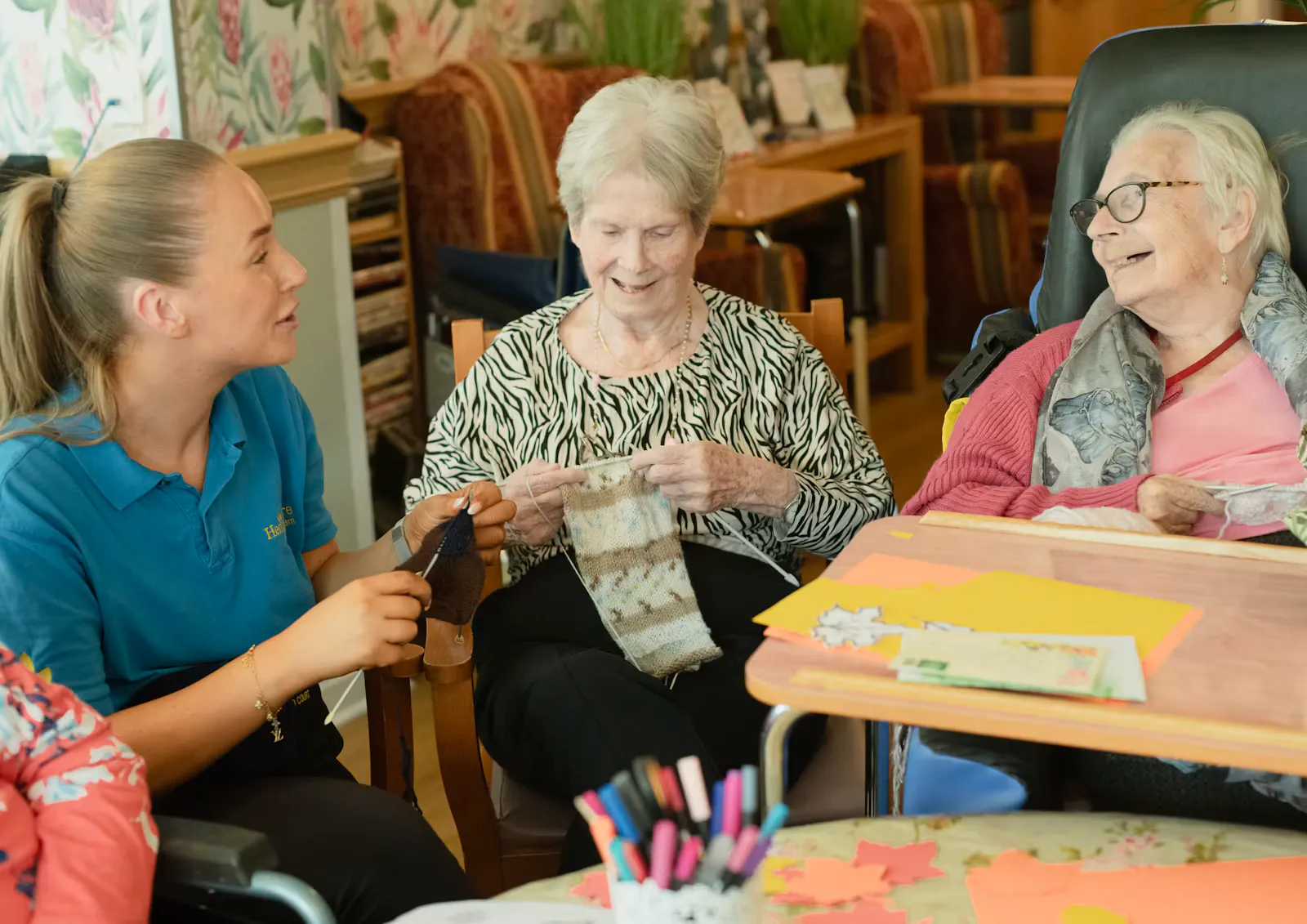
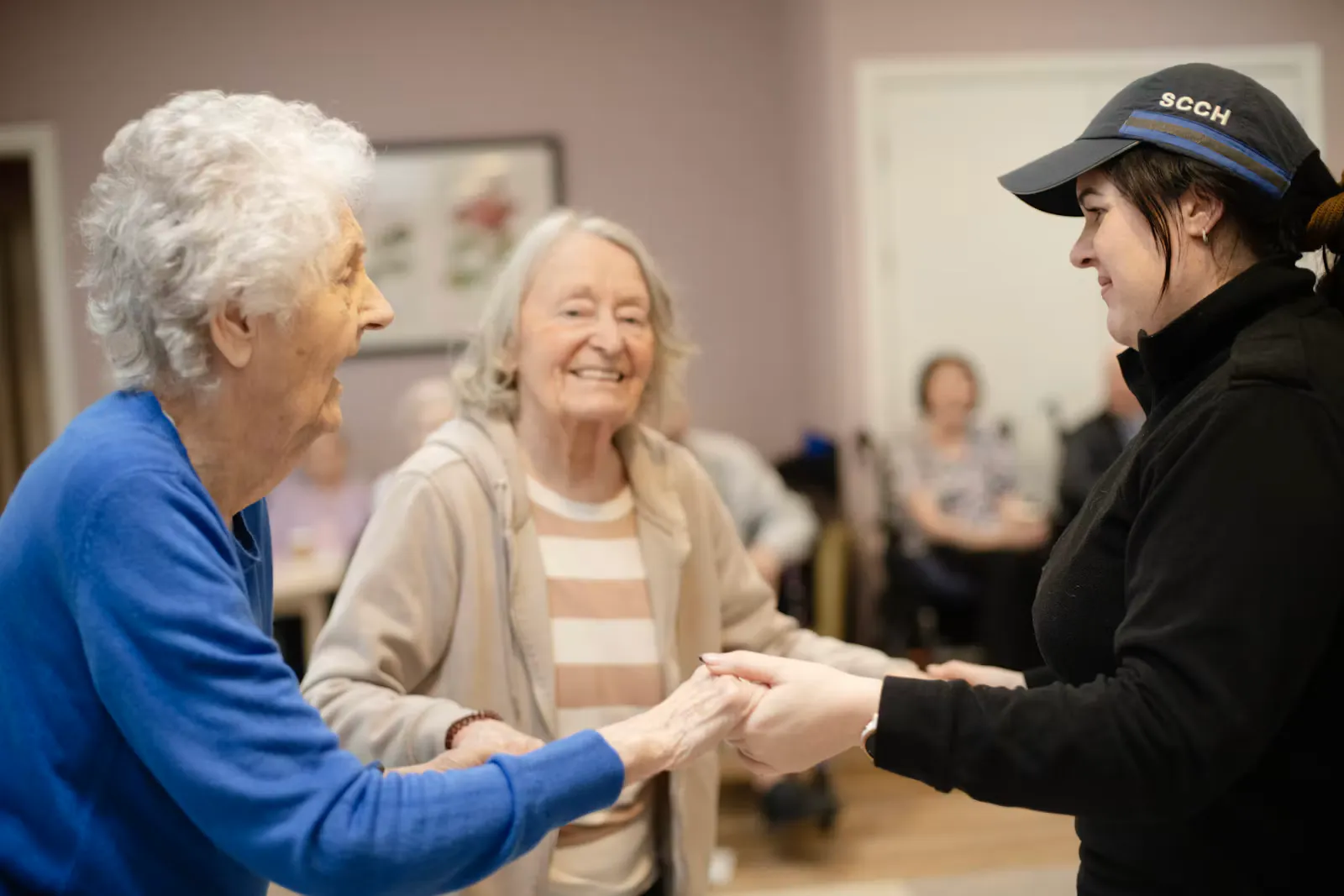
Caring roles close to home, such as care home volunteering, are what UK guidance recommends most strongly for future medical students.
What counts as good work experience for medicine?
Good work experience for medicine is any activity that shows you have cared for or helped people, that you understand the real demands of a medical career, and that you can reflect on what you learned. Those three aims come straight from the Medical Schools Council guidelines, which also say most medical schools set no minimum number of hours and many expect the experience to be recent, from the two years before you apply.
The table sums up how the guidance treats the common options, and where medical work experience abroad fits in.
Type of experience
What the UK guidance says
Fit for an overseas placement?
Caring role with people who are ill, disabled or disadvantaged
Strongly recommended, paid or voluntary
Yes, if the work is real caring and supervised
Direct observation of healthcare (shadowing)
Useful, but repeated shadowing is unlikely to help
Only as a short add-on
Paid jobs with lots of contact with the public
Can show useful attitudes, for example in catering or customer service
Not needed abroad
Volunteering in the community
All forms can help
Usually easier at home
Talking to doctors and medical students
Enough to understand the career, alongside other research
Works anywhere, including online
Clinical work experience abroad
Not generally supported or encouraged by UK schools; justify it if you do it
The point of this post
What does that mean for you? Build your core at home: a regular caring commitment over months beats a two-week trip. Then ask whether medical work experience abroad would add something you genuinely can't get locally, such as care in a low-resource hospital or working in a second language.
Who can do medical work experience abroad with travel4med?
You can join one of our nursing placements once you have finished school. Our nursing placement page states that it can be completed at the earliest after you obtain a university entrance qualification or high school diploma, in units of at least 30 days. School pupils who have not yet finished school cannot book it. The placement runs at partner hospitals in Galle (Sri Lanka), Pokhara (Nepal), Bali and Zanzibar.
On our page on 11 October 2026 the starting prices were 1,499 EUR in Galle, 1,590 EUR in Pokhara, 1,690 EUR in Zanzibar and 1,790 EUR in Bali. EUR is our reference currency, so the amount in your own currency will differ, and flights, insurance and vaccinations come on top. Our guide to budgeting for a clinical placement abroad helps you add it all up.
A nursing placement is the closest match to what the guidance calls a caring role: you spend your days with the nursing team and the patients they look after. That's different from a doctor's elective. The nursing placement page has the details per destination, and our nursing internship abroad planning guide walks through the preparation. If you are already a medical student, our medical elective placements are the better fit.
Why do caring roles matter so much right now?
Caring roles matter because they show you the side of medicine that patients feel most, and because the world still has too few nurses. The World Health Organization's State of the World's Nursing 2025 report, released on 12 May 2025, shows the global nursing workforce grew from 27.9 million in 2018 to 29.8 million in 2023.
The shortage is shrinking but far from closed. WHO puts it at 6.2 million nurses in 2020 and 5.8 million in 2023, with a projected 4.1 million in 2030. About 78% of the world's nurses work in countries that hold just 49% of the global population. If your medical work experience abroad puts you next to nurses in a hospital with fewer staff, you see that gap with your own eyes, and that is something worth reflecting on.
Global figures based on data reported by 194 countries. The 2030 value is a WHO projection, not a measurement.
Secure Information Material
Request all the important info for free, no obligation.
How do you plan medical work experience abroad in six steps?
You plan it from your application backwards, so the placement answers a question your application needs answered. These six steps keep medical work experience abroad useful and honest:
Check the schools you'll apply to. Read each school's admissions page on work experience. Note whether they expect recent experience, how they assess it, and whether they say anything about placements abroad.
Build your core at home first. Find a regular caring commitment, such as a care home, a hospice or a community group, and keep it going for months. That's the experience UK guidance recommends most strongly.
Decide what abroad would add. Write one sentence on what you hope to learn that you can't learn locally. If you can't write it, skip the trip and spend the money on your application.
Choose a supervised, care-focused placement. Look for a named supervisor, a public or teaching hospital, and a clear rule on what you may and may not do. Compare our four destinations before you decide.
Prepare properly. Sort out insurance, vaccinations and the right entry permission in good time. Our guide to vaccinations for a medical elective abroad covers the travel clinic visit, and the same lead time applies to you.
Reflect while you're there. Keep a short daily diary: one patient, one thing that surprised you, one thing you'd do differently. Those notes become your personal statement paragraph and your interview answers.
You are allowed to do only what you are trained to do, and before medical school that means basic care and observation under supervision. A hospital with fewer staff is not a place to practise procedures you haven't learned. Doing so puts patients at risk and would look bad, not good, in an interview.
Keep three rules in mind. Ask your supervisor before you touch a patient. Say no politely if someone offers you a task you aren't trained for. And never post photos of patients. Our guide to an ethical medical elective abroad explains these limits in more detail, and most of it applies even more strongly to medical work experience abroad, because you have less training than an elective student.
Language matters too. In Sri Lanka, Nepal, Bali and Zanzibar many patients speak Sinhala, Tamil, Nepali, Indonesian, Balinese or Swahili rather than English, so you will often watch more than you talk. Our guide to language barriers on a clinical internship abroad has practical tips.
How do you write about it in your application?
Write about what you learned, not where you went. The Medical Schools Council puts it simply: what counts is what you learned about yourself, about other people and about how care is delivered and received, not just what you did.
A strong paragraph about medical work experience abroad names one patient encounter, the skill or quality it showed you (communication without a shared language, teamwork with nurses, coping with limited resources), and how it changed your view of a doctor's job. Then link it back to something you did at home, so the admissions tutor sees a pattern, not a holiday. If you study in Germany or plan to, dein-medizinstudium.de explains how the application for medical school works there (in German). Still deciding whether medicine is the right path at all? Our guide to alternative pathways into medical school shows the other routes in.
Planning a care placement after school? We organise nursing placements, medical electives and observerships in Sri Lanka, Nepal, Bali and Zanzibar, including accommodation, meals and local support. Check whether a nursing placement abroad fits your plans or book a free consultation and we'll tell you honestly whether medical work experience abroad makes sense for your application. travel4med is part of the futuredoctor group ecosystem, which supports students from application to graduation.
Medical Schools Council. Work experience guidelines for applicants to medicine (2014), hosted by Brighton and Sussex Medical School: bsms.ac.uk (accessed 11 October 2026).
World Health Organization. Nursing workforce grows, but inequities threaten global health goals, news release on the State of the World's Nursing 2025 report, 12 May 2025: who.int (accessed 11 October 2026).
travel4med. Nursing placement abroad, eligibility, block length and starting prices per destination: travel4med.com (accessed 11 October 2026).