Cholera Vaccine for a Medical Elective: Do You Need It?
The cholera vaccine is an oral vaccine, taken as a drink, that protects against cholera caused by the bacterium Vibrio cholerae O1. Most medical and nursing students do not need it for an elective. UK travel health advice keeps it for aid workers, people heading to outbreak areas with little safe water or medical care, and others at higher risk, and it is not on the vaccination list for any travel4med placement.
Reviewed by MUDr. Amandeep Grewal, a doctor on the travel4med team whose review scope covers vaccinations and travel medicine. Written by Nils-Andre Stritt, who organises our placements and talks students through their preparation before they fly.
Key Takeaways
Not routine for students. TravelHealthPro says cholera vaccination is not recommended for most travellers, and the risk for most travellers is extremely low.
Who it is for. Humanitarian aid workers, people going to outbreak areas with limited access to safe water and medical care, and other travellers a clinician judges to be at higher risk.
No certificate needed. The UK Green Book states that no traveller should be required to show proof of cholera vaccination.
Two oral vaccines. Dukoral (inactivated, 2 doses for adults) and Vaxchora (live, a single dose), both given as a drink.
Not on our list. Our destination pages for Sri Lanka, Bali, Nepal and Zanzibar do not list a cholera vaccine as required or recommended. Hygiene with food and water is what protects you.
What is the cholera vaccine?
The cholera vaccine is a drinkable vaccine that helps your immune system make antibodies against Vibrio cholerae serogroup O1, the strain behind recent outbreaks. The UK Green Book lists two: Dukoral, an inactivated whole cell vaccine, and Vaxchora, a live attenuated single dose vaccine. Neither is an injection, and neither protects against serogroup O139.
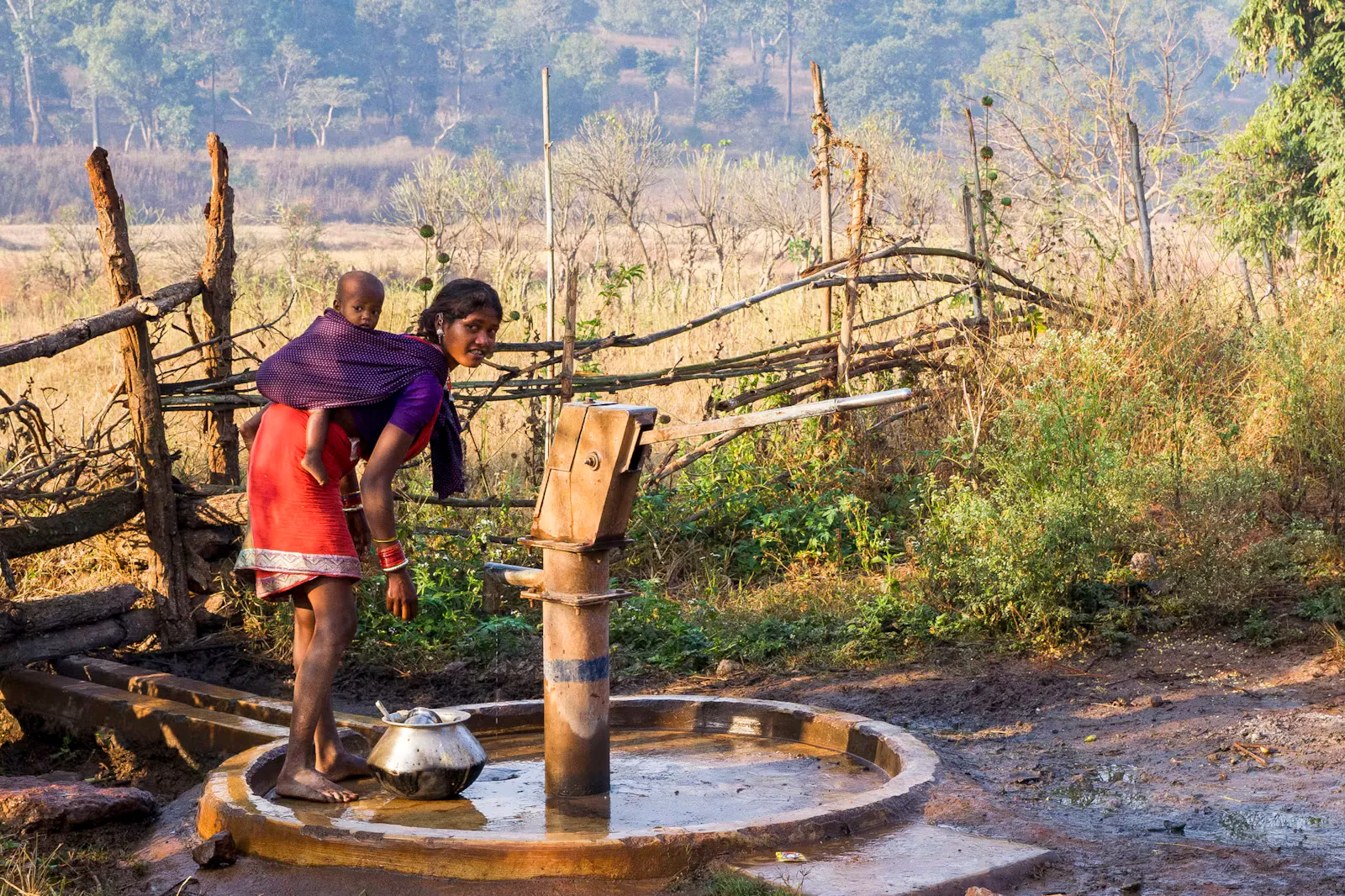
Cholera itself is a bacterial infection of the gut. You catch it by swallowing contaminated water or food, often shellfish, and TravelHealthPro links it to poverty, poor sanitation and poor access to clean drinking water. Symptoms appear 12 hours to 5 days after infection, according to the WHO, and most infected people have no or mild symptoms.
When it is severe, though, it is fast. Sudden, profuse watery diarrhoea can lead to serious dehydration and shock. TravelHealthPro notes that half of those with serious complications die if untreated, while quick and effective treatment brings the risk of dying below 1%. The WHO says most people can be treated successfully with prompt oral rehydration solution.
How big is the problem? The WHO estimates 1.3 to 4.0 million cases and 21,000 to 143,000 deaths from cholera worldwide each year. In 2025, 47 countries reported 451,499 cases and 7,870 deaths to the WHO. The Green Book notes that reported numbers grossly underestimate the real burden, because of under-reporting and weak surveillance.
Ready for your adventure abroad?
Secure your spot for your internship abroad now.
Do you need the cholera vaccine for a medical elective?
Usually not. The UK Green Book puts the risk for travellers at about 2 to 3 cases per million, based on imported cases into Europe and North America. It says immunisation can be considered, after a full risk assessment, for humanitarian aid workers, people going to outbreak areas with limited access to safe water and medical care, and other travellers for whom it is potentially beneficial.
That last group is where a clinician looks at you as an individual. TravelHealthPro gives examples: your occupation, your activities or underlying health problems. A student with a condition that makes dehydration more dangerous, or one heading into an active outbreak far from a hospital, may fall into it. A student on a standard ward placement in a town with clean water usually does not.
What about working in a hospital? The Green Book's occupational recommendation is narrow. It covers laboratory workers who may be regularly exposed to cholera, normally those in reference laboratories or labs attached to infectious disease units. Ward work on its own isn't on that list, and around patients with diarrhoea your usual infection control precautions apply.
Our own destination pages match this. Their vaccination FAQs list hepatitis A, hepatitis B, MMR and tetanus, diphtheria, polio and pertussis as required, and other jabs as optional, but no cholera vaccine. For the full picture of jabs that do matter, start with our guide to vaccinations for a medical elective abroad.
Cholera vaccine advice for our four destinations
TravelHealthPro, the UK National Travel Health Network and Centre, gives advice country by country. For Sri Lanka, Nepal and Tanzania it uses the same wording: the oral cholera vaccine is recommended for those whose activities or medical history put them at increased risk. Its Indonesia page has no cholera vaccine entry.
Destination
TravelHealthPro on cholera
Our destination page
Sri Lanka
Cholera has previously been reported; vaccine for travellers at increased risk in areas of active transmission
Not listed
Bali (Indonesia)
No cholera vaccine entry on the Indonesia page
Not listed
Nepal
Vaccine for travellers at increased risk; 2,018 cases reported from 1 January to 17 November 2025
Not listed
Zanzibar (Tanzania)
Vaccine for travellers at increased risk; risk for most travellers low
Not listed
Nepal shows why the outbreak picture matters. TravelHealthPro, citing ECDC, reported 2,018 cholera cases in Nepal from 1 January to 17 November 2025, against 95 cases in 2024 up to 23 September. If an outbreak is active where you'll be working when you book, raise it at your travel clinic appointment. Students vaccinated outside the UK should bring this table to their own travel health service, since national advice is worded differently.
Hot drinks made with boiled water are a safer choice than ice or untreated tap water. Food and water hygiene does more against cholera than any vaccine.
Is a cholera vaccine certificate required anywhere?
No. The UK Green Book says no traveller should be required to demonstrate vaccination against cholera. It explains that the WHO removed cholera vaccination from the International Health Regulations in 1973, and since then there has been no requirement for it for travel between countries. So the answer to "which countries require the cholera vaccine?" is none.
That's different from yellow fever, where some countries do ask for a certificate. If you are flying via a yellow fever area, our vaccinations guide explains when proof is needed. For cholera, no border officer will ask you for a vaccination record, and it isn't on our list of required jabs either.
Dukoral and Vaxchora compared
Both are oral vaccines against V. cholerae O1, but they work differently and suit different people. TravelHealthPro lists both as available in the UK. The Green Book warns that they have different precautions, contraindications and preparation steps, so the clinic checks the prescribing information for the one you get.
Dukoral
Vaxchora
Type
Inactivated (killed bacteria plus a toxin subunit)
Live attenuated bacteria
Ages
From 2 years
From 2 years
Adult course
2 doses, at least 1 week and less than 6 weeks apart
1 dose
Ready by
Course finished at least 1 week before exposure
At least 10 days before exposure
Protection
About 2 years in adults and children from 6
No data on a booster interval
Not for
People allergic to a component
People who are immunosuppressed, plus the Dukoral exclusions
How well do they work? The Green Book reports trial results for each. Treat these as protection in studies, not a promise for your trip.
Source: UK Health Security Agency, Immunisation against infectious disease (the Green Book), chapter 14 cholera, August 2024.
Secure Information Material
Request all the important info for free, no obligation.
At least 1 to 2 weeks, depending on the vaccine. The NHS says you need both Dukoral doses at least a week before travelling, and the doses are given 1 to 6 weeks apart, so start the course 2 to 7 weeks before you fly. Vaxchora is a single dose taken at least 10 days before possible exposure.
A few practical rules from the Green Book matter for students who are also sorting out other jabs and tablets:
No food or drink for an hour. Avoid eating and drinking for 1 hour before and 1 hour after either vaccine.
Antibiotics and Vaxchora don't mix. Vaxchora should not be given if you took oral or injected antibiotics in the 14 days before, and antibiotics should be avoided for 10 days after it.
Malaria tablets. Give Vaxchora at least 10 days before starting chloroquine. There is no data on other antimalarials, so tell the clinic what our malaria prophylaxis guide suggests for your destination.
Oral typhoid vaccine. Leave 2 hours between Vaxchora and the oral typhoid vaccine. Our typhoid vaccine guide covers the typhoid options.
Wash your hands for 2 weeks. Vaxchora can be shed in stools, so the Green Book advises careful handwashing after the toilet and before preparing food for at least 14 days.
If the cholera vaccine is on your list at all, sort it out early in your planning. The medical elective application timeline shows where a travel clinic visit fits, ideally 6 to 8 weeks before you fly.
Who should not have the cholera vaccine?
Very few people, the Green Book says. Vaccination is postponed if you have an acute stomach illness or a fever, and it is not given to anyone allergic to a vaccine component or to a previous dose. Vaxchora, as a live vaccine, is not given to people who are immunosuppressed or who have certain rare sugar intolerances.
Pregnancy and breastfeeding need a conversation. The Green Book says there is no safety data for oral cholera vaccines in pregnancy, but no evidence of risk from inactivated bacterial vaccines, so Dukoral should be considered if the risk of cholera is high. It also suggests Dukoral rather than Vaxchora if someone you live with is immunosuppressed.
One more point that surprises people: the cholera vaccine is not a travellers' diarrhoea vaccine. The Green Book says neither Dukoral nor Vaxchora is recommended for preventing travellers' diarrhoea. Our guide to travellers' diarrhoea on a medical elective covers what actually helps there.
Is the cholera vaccine free on the NHS?
Often, yes, if you qualify. The NHS travel vaccinations page lists cholera among the travel vaccines you can get free at a GP surgery after completing a risk assessment form. The NHS cholera page says that if you need the vaccine, you may be able to get it free and should ask at your GP surgery.
The key words are "if you need it". Because UK advice limits the cholera vaccine to people at higher risk, a GP may decide after the risk assessment that you don't qualify, and private travel clinics charge for it. Outside the UK, access and cost depend on your country and sometimes your university, so ask your student health service, your medical school or your insurer. Our medical elective insurance guide explains the cover you want if you do get ill abroad.
Your cholera vaccine plan in 6 steps
Check where you are going. Look up your destination on TravelHealthPro or your national travel health service, including the outbreak news.
Book a travel health appointment. Aim for 6 to 8 weeks before departure, so all your jabs fit around each other.
Ask whether you fit a risk group. Tell the clinician about your placement, your accommodation, any health conditions and any trips into remote areas.
If yes, pick the vaccine together. Dukoral needs 2 doses and a week's margin; Vaxchora needs 1 dose and 10 days, with rules on antibiotics and some malaria tablets.
Plan your water and food routine. Bottled or boiled water, cooked food, no ice and handwashing protect you whether or not you are vaccinated.
Tell us your vaccination status. We go through it with you during preparation, so the required jabs are done before you fly.
How else do you protect yourself against cholera on placement?
Through food, water and hands. The NHS advises washing your hands with soap and water regularly, especially after the toilet and before eating, drinking only bottled or boiled water, brushing your teeth with it, skipping ice, shellfish and seafood, and avoiding uncooked fruit and vegetables you haven't washed and prepared yourself. The Green Book adds that vaccination is not a substitute for these hygiene measures.
If you get severe watery diarrhoea or signs of dehydration, such as thirst and dark, strong smelling urine, the NHS says to see a doctor. Tell them where you have been in the last few weeks. Rehydration comes first, so pack oral rehydration salts. For destination specific health tips, see our guides to whether Zanzibar is safe and whether Nepal is safe for students.
Planning a placement in Sri Lanka, Bali, Nepal or Zanzibar? We place medical, nursing and physician assistant students in all four destinations for clinical electives, final-year placements, nursing placements and observerships, and we check your vaccination status with you during preparation. Book a free consultation, compare our destinations or read about our clinical placements abroad and nursing placements abroad.
Frequently Asked Questions
Sources
UK Health Security Agency. Immunisation against infectious disease (the Green Book), chapter 14 cholera, August 2024 (vaccines, trial efficacy, traveller risk, risk groups, no certificate requirement, schedules, boosters, contraindications, interactions, pregnancy, travellers' diarrhoea): travelhealthpro.org.uk (PDF); GOV.UK publication page, last updated 1 August 2024: gov.uk (accessed 19 November 2026).
TravelHealthPro (UK National Travel Health Network and Centre). Cholera, last updated 14 July 2026 (disease, risk for travellers, who should be vaccinated, Dukoral and Vaxchora schedules): travelhealthpro.org.uk (accessed 19 November 2026).
World Health Organization. Cholera, fact sheet, 29 September 2026 (global estimates, 2025 reported cases and deaths, incubation, treatment): who.int (accessed 19 November 2026).