Diabetes Care on a Medical Elective Abroad: What to Expect
Diabetes care is what will fill most of your ward time abroad, not the tropical infections you bought the textbook for. WHO counted 830 million adults living with diabetes worldwide in 2022, and almost 450 million adults aged 30 and over who take no treatment for it at all. In the WHO South-East Asia Region, which covers Sri Lanka, Nepal and Indonesia, roughly 20% of adults aged 18 and over have diabetes. Plan for that, and your elective gets a lot more useful.
Key Takeaways
It is the background condition of almost every bed. WHO counts 830 million adults living with diabetes in 2022, up from 200 million in 1990, which is 14% of all adults aged 18 and over.
Treatment is the gap, not diagnosis alone. Almost 450 million adults aged 30 and over were untreated in 2022, about 59% of everyone with diabetes, and 90% of them live in low and middle income countries. That is where diabetes care breaks down.
Your destination sits in the high prevalence half of the map. Prevalence among adults aged 18 and over runs at around 20% in the WHO South-East Asia and Eastern Mediterranean Regions.
Sri Lanka is the sharpest figure WHO publishes for our destinations. Age-standardised prevalence among people aged 30 and over was 31.2% in 2022, about 4.2 million people, of whom nearly 41% are on no treatment.
World Diabetes Day falls on 14 November 2026, theme "Early action on diabetes". If your placement runs through November, expect screening drives, and expect to be handed a glucometer.
What does diabetes care look like on a medical elective?
Diabetes is a chronic condition in which the body either stops producing enough insulin or cannot use the insulin it produces, so glucose builds up in the blood. WHO reports that type 2 accounts for over 95% of all cases. On a general ward abroad, diabetes care almost never arrives with that label attached to it.
It arrives as a foot ulcer that has been dressed at home for six weeks. As a stroke in a 52 year old. As an infection that will not clear, a pregnancy with one unrepeated fasting glucose, a man who stopped his tablets when the money ran out. You will be asked to see all of these. Nobody will announce that you are doing diabetes care.
That is the first adjustment. The second is pace. Where a clinic sees 120 people in a morning, the consultation is three minutes long, and a huge amount of what a European or North American ward does with a specialist nurse simply does not happen. Watch what gets left out of diabetes care, and why. It is the most transferable thing you will take home.
Ready for your adventure abroad?
Secure your spot for your internship abroad now.
How common is diabetes where travel4med places students?
Common enough that diabetes care shapes the ward in a way you will not have trained for. WHO reports that global prevalence among adults doubled from 7% in 1990 to 14% in 2022, and that the rise has been steeper in low and middle income countries. Its regional breakdown puts South-East Asia near the top.
Destination
WHO region
What WHO reports for that region
Sri Lanka
South-East Asia
About 20% of adults aged 18 and over have diabetes
Nepal
South-East Asia
About 20% of adults aged 18 and over have diabetes
Bali, Indonesia
South-East Asia
About 20% of adults aged 18 and over have diabetes
Zanzibar, United Republic of Tanzania
Africa
Among the three regions with the lowest treatment coverage worldwide
Read that table the careful way. Those are regional figures published by WHO, not national ones, and certainly not figures for one hospital. They tell you the order of magnitude of diabetes care to expect and nothing more precise than that. Where WHO does publish a country number for one of our destinations, it is worth quoting in full: in Sri Lanka, age-standardised prevalence among people aged 30 and over was 31.2% in 2022, which works out at roughly 4.2 million people.
Why are so many people on no treatment at all?
Because diagnosis and treatment are two different problems, and the second one is bigger. WHO's 2024 analysis with the NCD Risk Factor Collaboration, published in The Lancet, found that almost 450 million adults aged 30 and over were untreated in 2022. That is about 59% of all adults with diabetes, and a 3.5 fold rise since 1990.
Ninety per cent of those untreated adults live in low and middle income countries. In the WHO African, South-East Asia and Eastern Mediterranean Regions, fewer than 4 in 10 adults with diabetes are taking any glucose lowering medication. The study behind those numbers pooled data from over 140 million people aged 18 and over across more than 1,000 studies in every country, so it is not a small sample with a big headline. Treatment coverage, not awareness, is the weak link in diabetes care.
Adults living with diabetes worldwide, 1990 and 2022. Source: World Health Organization, "Diabetes" fact sheet, updated 14 November 2024.
The reasons are boringly practical, and you will watch every one of them play out. Tablets run out between clinic visits. A glucometer is shared between forty beds. The lab charges for an HbA1c, so the family decides. Nobody is being careless, and nobody has decided that diabetes care does not matter. The system is simply built for acute illness, and diabetes care is not acute until it suddenly is.
What does World Diabetes Day 2026 have to do with your elective?
World Diabetes Day is 14 November, and WHO has set the 2026 theme as "Early action on diabetes", with a focus on earlier diagnosis, access to comprehensive care and reducing stigma. WHO's campaign page points out that more than 40% of people living with diabetes worldwide are undiagnosed. The International Diabetes Federation is running the same theme across 2026 and 2027.
For you this is not a poster. Hospitals in our four destinations run screening camps, staff teaching and community outreach around that week, and visiting students get pulled into them. If your placement covers mid November, say early that you want to join. Free glucose testing in a village hall teaches you more about the diagnosis gap in diabetes care in one afternoon than a month of ward rounds.
Which targets is your host hospital measured against?
The same five that every other country signed up to. On 28 May 2022 the Seventy-fifth World Health Assembly adopted the first global coverage targets for diabetes, all of them to be met by 2030. Knowing them turns a vague impression of "resources are tight here" into a specific question about diabetes care that you can actually ask your supervisor.
Global diabetes coverage target, to be met by 2030
Level
People with diabetes who are diagnosed
80%
Diagnosed people with good control of glycaemia
80%
Diagnosed people with good control of blood pressure
80%
People with diabetes aged 40 and over receiving statins
60%
People with type 1 diabetes with access to affordable insulin and blood glucose self-monitoring
100%
Ask which of the five your host actually measures. Some track none of them, some track the first two through a national noncommunicable disease programme, and the answer tells you a great deal about how the service is funded. That question also makes you look like somebody who has read something, which does no harm in week one.
Secure Information Material
Request all the important info for free, no obligation.
Complications, mostly, and later than you are used to. WHO attributes 1.6 million deaths directly to diabetes in 2021, 47% of them before the age of 70. It also attributes 530,000 kidney disease deaths to diabetes in the same year, and about 11% of cardiovascular deaths to high blood glucose.
Translated into beds, that means diabetic foot disease presenting at the stage where the conversation is about amputation, renal failure arriving without a dialysis slot waiting, and a stroke unit where the average age is a decade younger than at home. You will also meet people newly diagnosed at 30 who are already retinopathic, which is what "more than 40% undiagnosed" looks like from the bedside once diabetes care starts late.
Diabetes and the treatment gap in Sri Lanka, 2022. Source: World Health Organization Country Office for Sri Lanka, "World Diabetes Day 2024: Breaking barriers, bridging gaps", 14 November 2024.
None of that is a reason to be squeamish about the placement. It is a reason to arrive with the right expectations, which is exactly what our guide to medical electives abroad sets out for the rest of the practicalities.
Want to know what the diabetes clinic actually looks like at your host hospital? We place students at the same partner hospitals every year, so we can tell you which sites run a dedicated noncommunicable disease clinic and which fold it into general outpatients. Book a free consultation and ask before you choose a ward.
How should you prepare for diabetes care abroad?
Do these five things, in this order, in the month before you fly.
Relearn insulin properly. Not the brand names you know at home. Learn the classes, the onset and duration profiles, and how to convert between them, because the formulary you meet will not be yours.
Learn to examine a diabetic foot without equipment. A 10 g monofilament, a tuning fork and your own hands. Practise the screening sequence until it takes you two minutes, and read our notes on clinical skills on a medical elective for the wider skill set.
Memorise one hyperglycaemic emergency protocol. Know your own guideline cold, then ask on day one which local protocol the ward follows and where it differs. Never assume yours applies.
Get twenty words of the local language for this topic. Sugar, urine, thirst, tablets, injection, foot, pain, how long. Our post on language barriers on a clinical internship abroad explains how to build that list without an app that does not cover the language.
Read your own ethical limits first. You are a student, not a prescriber, and diabetes care is full of moments where somebody will invite you past that line. Ethics on a medical elective abroad covers where the line sits.
What can a visiting student usefully do?
Less than you hope, and more than you think. You cannot fix a drug supply chain in six weeks. You can take a proper history, which is often the thing that has been skipped, and you can do the foot check nobody had time for. Both are real diabetes care, and neither requires you to practise beyond your competence.
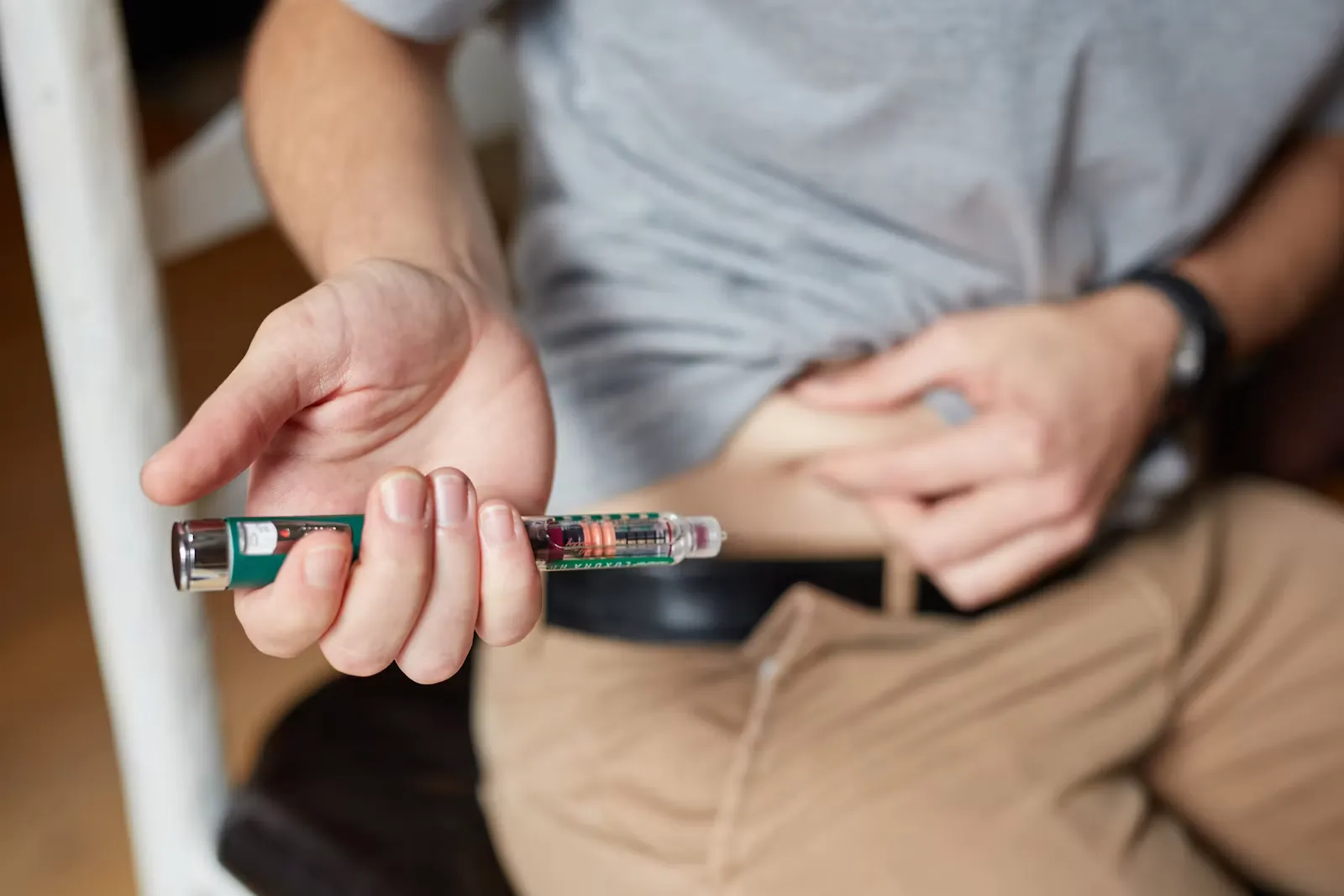
Teaching is the other honest contribution a student can make to diabetes care. Show a patient how to rotate injection sites. Sit with a newly diagnosed family and go through what the tablets do. Students on our nursing placements end up doing a lot of this, and it is the part supervisors remember when they write your reference. If a formal assessment is waiting for you at home, the structured approach in our OSCE preparation guide maps onto it well.
Diabetes care next to the tropical medicine you expected
Both are true at once. Dengue season is real, and so is the ward full of people whose glucose has been high for fifteen years. The country guides for Sri Lanka, Nepal, Bali and Zanzibar set out the hospitals and the local health picture for each, and all four are available for the full range of placements we organise, including the final year clinical placement.
They do not describe one hospital. The regional 20% figure covers eleven countries with very different health systems, and the Sri Lankan 31.2% is a national estimate for people aged 30 and over, not a headcount of anybody's outpatient list. Nor do they say anything about your own country: diabetes care rules, referral thresholds and drug availability are set nationally, so check what your own faculty and national regulator expect of you before you assume the local protocol transfers.
Medically reviewed by MUDr. Amandeep Grewal, a doctor on the travel4med team whose review scope covers vaccinations, tropical medicine, insurance and clinical content.
Frequently Asked Questions
Sources
World Health Organization, "Diabetes" fact sheet, updated 14 November 2024. The 830 million and 200 million figures, the 7% to 14% prevalence rise, the 59% untreated share, the over 95% type 2 share, 1.6 million deaths in 2021, 47% before age 70, 530,000 kidney disease deaths and the 11% of cardiovascular deaths. who.int
World Health Organization, "Urgent action needed as global diabetes cases increase four-fold over past decades", 13 November 2024. The almost 450 million untreated adults aged 30 and over, the 3.5 fold rise since 1990, the 90% living in low and middle income countries, the around 20% regional prevalence for South-East Asia and the Eastern Mediterranean, the fewer than 4 in 10 treatment coverage, and the NCD Risk Factor Collaboration study of over 140 million people in more than 1,000 studies published in The Lancet. who.int/news
World Health Organization Country Office for Sri Lanka, "World Diabetes Day 2024: Breaking barriers, bridging gaps", 14 November 2024. The 31.2% age-standardised prevalence among people aged 30 and over in 2022, the 4.2 million people and the nearly 41% or 2.4 million on no treatment. who.int/srilanka
World Health Organization, "World Diabetes Day 2026" campaign page. The 14 November date, the "Early action on diabetes" theme and the more than 40% undiagnosed figure. who.int/campaigns
World Health Organization, "First-ever global coverage targets for diabetes adopted at the 75th World Health Assembly", 28 May 2022. The five global diabetes coverage targets for 2030. who.int/news-room
International Diabetes Federation, "World Diabetes Day 2026-27", news item. Confirmation that "Early action on diabetes" runs as a two year campaign across 2026 and 2027. idf.org