eSIM for a Medical Elective: Stay Online Abroad in 2026
Celina KöhslMedical student, member of the travel4med team
7. October 2026
14 minutes
eSIM for a Medical Elective: Stay Online Abroad in 2026
An eSIM is a digital SIM built into your phone: instead of inserting a plastic card, you download a data plan by QR code or app. For a medical elective in Bali, Nepal, Sri Lanka or Zanzibar, a travel eSIM is usually the easiest way to stay online from the moment you land, while your home SIM stays in the phone for bank codes and calls from family. The short answer: buy and install the eSIM at home on Wi-Fi, switch mobile data to it on arrival, and check one local phone rule if your placement runs longer than about two months.
Written by Nils-Andre Stritt, travel4med team, who helps students organise clinical placements at our four destinations. The section on patient data was reviewed by MUDr. Amandeep Grewal, a doctor on the travel4med team.
Key Takeaways
Install before you fly. Download the eSIM at home on Wi-Fi, then turn it on when you land. Apple's own travel guide tells you to buy the plan before you leave to avoid delays at your destination.
Keep two lines. Use the eSIM for data and keep your home SIM active for text messages, such as banking and university login codes.
Bali has a 90-day phone rule. Indonesian customs say a foreign visitor staying up to 90 days gets local network access through the mobile operator's booth; for longer stays you register the phone's IMEI with customs within 60 days of arrival.
A foreign eSIM roams. Indonesian customs say visitors who use a foreign SIM as an inbound roamer do not need IMEI registration at all.
Sri Lanka and Nepal are simple, with one check. SLT-Mobitel in Sri Lanka sells tourist SIMs at Colombo airport and a tourist eSIM online, and says you only need your foreign passport. Nepal runs a phone register (MDMS) for devices brought from abroad.
Patient data never goes into chat apps. Your phone will hold more clinical information than you think. Keep patient photos and names off it.
What is an eSIM, and how is it different from a SIM card?
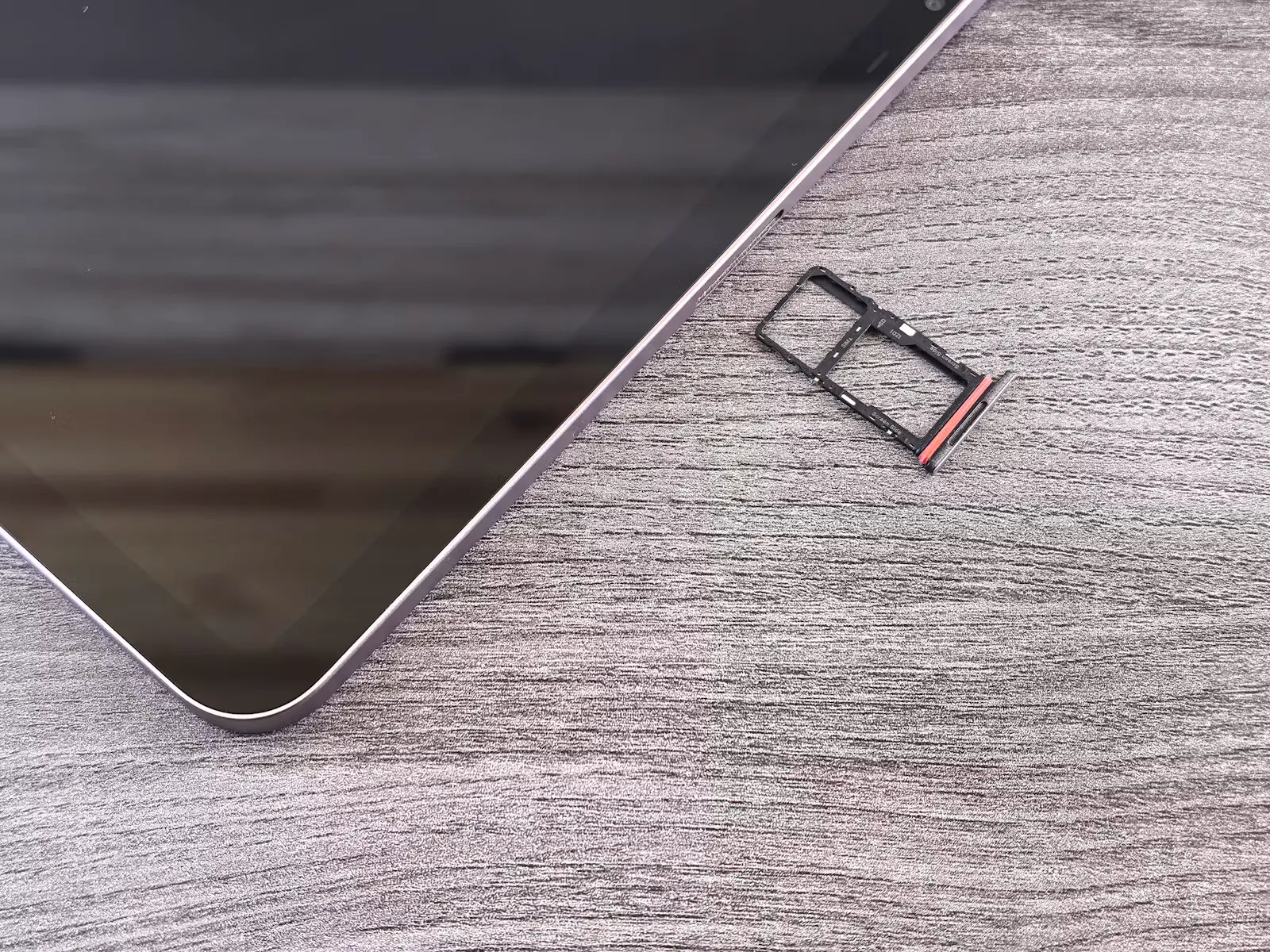
An eSIM is a SIM chip soldered into the phone that can hold several mobile plans, which you download as profiles. A physical SIM is the small plastic card you swap in and out. Both connect you to the same local networks; the difference is how you get the plan onto the phone.
For an elective, that difference matters more than it sounds. With a physical local SIM you usually remove your home SIM, so you lose the number your bank, your medical school and your family know. With an eSIM, most phones run two lines at once: the travel eSIM delivers data, and your home line stays on for texts. Your messenger account stays tied to your usual number, so group chats with your class and family keep working without any change.
eSIM is also no longer a niche feature. GSMA Intelligence, the research arm of the mobile industry body, wrote in March 2026 that eSIM penetration in the consumer market is set to double in 2026 and double again in 2027. Most recent iPhones, Pixels and Samsung Galaxy phones support it. The quickest check: search your phone's settings for "eSIM". If you see an option such as "Add eSIM", you are ready, as long as the phone is not locked to your home network. On an iPhone, Apple says to look for "No SIM restrictions" under Settings, General, About.
Ready for your adventure abroad?
Secure your spot for your internship abroad now.
eSIM, local SIM or roaming: which is best for your elective?
For most students on a four to eight week placement, a travel eSIM wins on convenience and a local SIM wins on price per gigabyte. Roaming on your home plan is the most comfortable and, at all four of our destinations, usually the most expensive choice. Your home operator sets the price, so check its rates for Indonesia, Nepal, Sri Lanka and Tanzania before you rely on it.
Here is how the three options compare in practice:
Option
Best for
What you need
Watch out for
Travel eSIM
Short placements, arriving late at night, keeping your home number
An eSIM-capable, unlocked phone; install at home
Many plans are data only; check the network it uses
Local physical SIM
Long placements, heavy data use, local calls to the ward or your host
Passport at the shop; a free SIM slot or your home SIM removed
Indonesia's 90-day rule; Nepal's device register
Home roaming
A few days, or calls you cannot move to a messenger
Nothing new
Daily or per-megabyte charges outside your home region
A practical middle path that many students use: arrive with a travel eSIM so you can order a ride and message your host straight away, then buy a local SIM in your first week if you find you need a local number for the hospital team. If you are still building your budget, our guide to the budget for a clinical placement abroad shows where mobile data fits next to flights, insurance and accommodation.
How do you set up an eSIM before your elective?
Set it up at home, on Wi-Fi, a few days before you fly. Downloading the profile needs an internet connection, and the arrivals hall at 2 am is the worst place to find one.
Check that your phone supports eSIM and is unlocked. Search settings for "eSIM". If your phone is locked to your home operator, ask them to unlock it first.
Buy a plan for the right country and length. Pick a plan for Indonesia, Nepal, Sri Lanka or Tanzania that covers your whole placement plus travel days. Longer plans are usually cheaper per gigabyte.
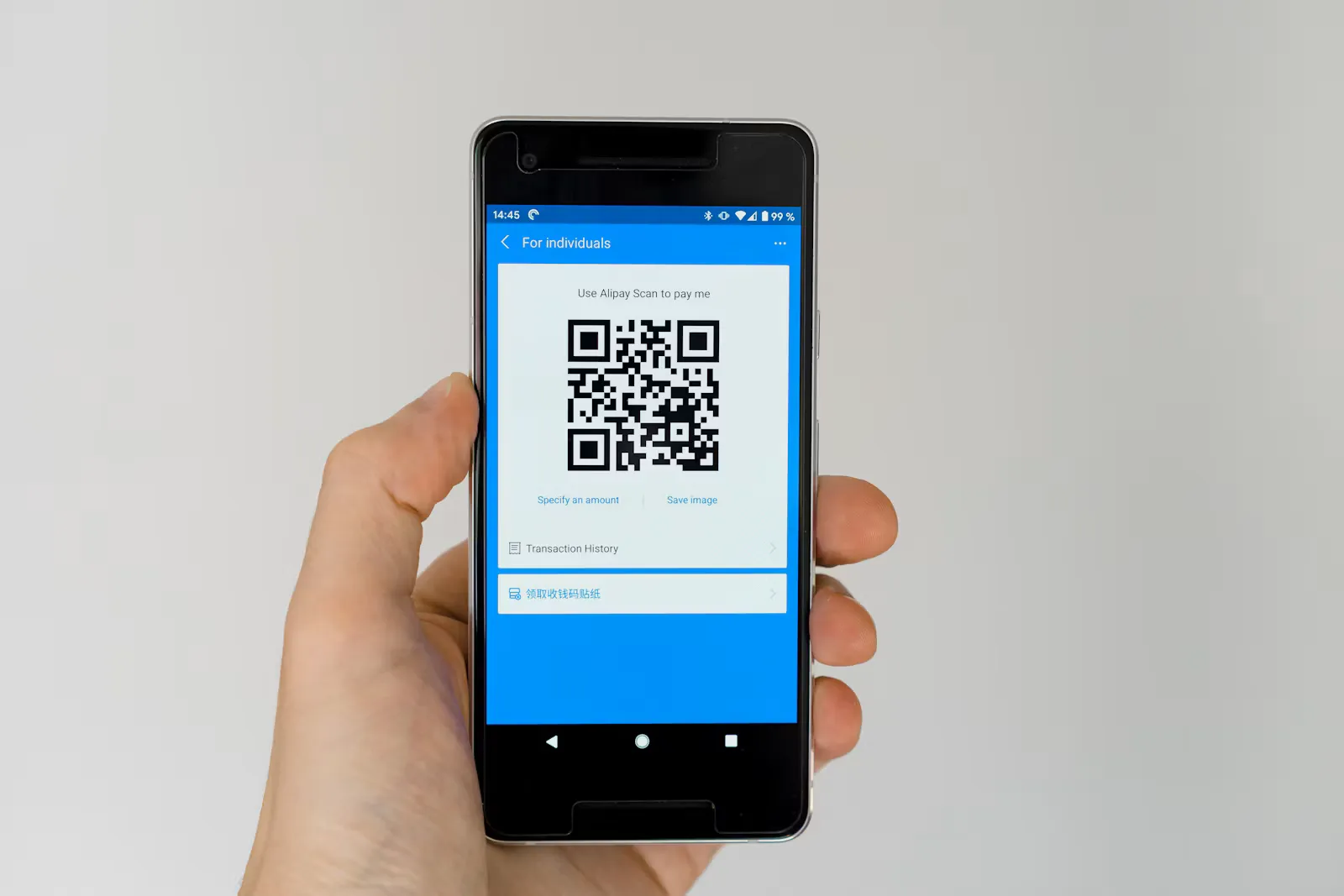
Install it at home. Scan the QR code or use the provider's app. Leave the new line switched off until you land if the provider says so.
Choose the data line. Set the travel eSIM as the line for mobile data. Apple's guide explains that choosing the data line is how you avoid unexpected roaming charges from your home carrier.
Protect your home line. Turn off data roaming on your home SIM, keep it on for text messages, and switch off voicemail if your operator charges for diverted calls abroad.
Save offline copies. Download offline maps of your placement town and keep your insurance card, passport scan and host contact on the phone itself, not only in the cloud.
Then test it once you land: open a map, send a message, and check that your banking app still receives its codes. Our packing list for a clinical internship abroad has the rest of the pre-departure checklist, including adapters and a power bank.
What phone rules apply in Bali, Nepal, Sri Lanka and Zanzibar?
All four destinations sell tourist plans, and all four expect your passport when you buy a local SIM. Two of them also check the phone itself.
Bali (Indonesia): the 90-day IMEI rule
Indonesia blocks phones whose IMEI (the device's serial number) is not registered. Indonesian customs at Bali's Ngurah Rai airport set out three cases for foreign visitors:
Up to 90 days with a local SIM: you get network access by registering at a mobile operator's service booth. That access is valid for 90 days only.
More than 90 days with a local SIM: you register the phone's IMEI with customs, for at most two devices per passenger, and no later than 60 days after arrival.
Foreign SIM as an inbound roamer: no IMEI registration is needed at all.
A travel eSIM bought abroad normally connects as a roaming profile, which puts it in the third group. Ask your provider whether its Indonesia plan is a roaming profile or a local Indonesian number before you rely on that. Customs also list a duty-free value of up to 500 USD per registered device; if your phone is worth more, ask at the customs desk what applies.
Placement lengths are examples. The 60-day and 90-day limits are from the IMEI registration page of Indonesian Customs at Ngurah Rai, Bali (Bea Cukai Ngurah Rai, accessed 7 October 2026). If you plan more than 90 days in Bali with a local SIM, register the phone with customs early, not on day 61.
For a typical four or eight week elective in Bali, the operator booth route or a travel eSIM is all you need. For a 12-week block you are still inside the 90 days, but only just, so do not extend your stay without sorting the phone first. A longer final-year placement goes past day 90 and needs the customs registration, which must happen within 60 days of arrival. More on the hospital, visa and health side is in our clinical clerkship in Bali guide.
Nepal: tourist SIMs and the device register
In Nepal you can buy a local SIM with your passport, and Nepal Telecom lists eSIM among its services. Nepal also runs a Mobile Device Management System (MDMS) at the Nepal Telecommunications Authority. Its portal has a registration route for personal phones brought from abroad, where foreign applicants upload a scan of their passport and an immigration stamp or boarding pass. Ask at the SIM counter whether your handset needs registering before you leave the shop, so your phone keeps working on the local network.
Sri Lanka: tourist SIM at the airport
Sri Lanka is the simplest of the four. SLT-Mobitel, one of the island's main operators, sells tourist SIMs at its counters in the arrivals lobby of Bandaranaike International Airport and says "you only need your foreign passport". It also offers a tourist eSIM that you can activate online before you fly. Plans run from 7 to 30 days, so pick one that covers your whole placement. If you plan to travel around on your days off, our guide to getting around Sri Lanka and Nepal covers trains, buses and ride apps, which all work better with mobile data.
Zanzibar (Tanzania): plan for patchy coverage
Zanzibar uses Tanzania's mobile networks. Local SIM shops register the SIM in your name, so take your passport. Coverage is good in Stone Town and the main towns and weaker in rural parts of the island, so download offline maps before day trips. Our Zanzibar placement guide covers the visa, the mandatory Zanzibar travel insurance and the hospital side.
Planning a placement in Bali, Nepal, Sri Lanka or Zanzibar? We organise clinical electives, nursing internships, final-year placements and observerships at all four destinations, and we brief you on practical questions like phones and data before you fly. Book a free consultation to plan your dates.
How do you stay reachable at home and in the hospital?
You need two kinds of contact on a placement: local (your supervisor, the ward team, your host family or accommodation) and home (family, your medical school, your bank). A dual-line setup with your home SIM plus a data eSIM covers both.
Before you fly, check three things. First, can your banking and university accounts send login codes to an app rather than a text message? App-based codes work over any data connection. Second, does your insurer's emergency number sit in your phone's contacts and on paper? Third, have you shared your local contact details with your medical school's elective office? Our guide to medical elective insurance explains which policy you actually need.
Video calls home are part of a healthy placement too. Budget enough data for them, especially over holidays or in the first weeks, when homesickness tends to hit hardest; our article on coping with homesickness abroad has more on that.
Secure Information Material
Request all the important info for free, no obligation.
What should never go on your phone during a placement?
Patient information. On a busy ward it is tempting to photograph an X-ray, a wound or a whiteboard to remember a case, or to ask a classmate about it in a group chat. Don't. A photo on your phone syncs to the cloud, can be backed up to servers in other countries and can be seen by anyone who borrows the phone.
Follow three simple rules. Never photograph a patient, their notes or their images without the hospital's permission and the patient's consent. Never put names, record numbers or recognisable details into a messenger. And if the host team uses a messenger group for handovers, ask your supervisor what you may and may not post. If a case is worth writing up later, our guide to a case report from a medical elective explains how consent works abroad, and our article on an ethical medical elective abroad covers photos and social media more broadly.