A clinical clerkship application is the package of documents, timing and follow-up you need to secure a supervised clinical placement at a hospital abroad — typically a motivation letter or cover letter, a CV, proof that you meet the program's own eligibility rule, and supporting paperwork such as immunization records and insurance confirmation. International interest in this kind of placement is substantial: a 2022 narrative review found that up to 50% of medical students in high-income countries take part in an elective or clinical placement abroad at some point in their training (Storz, Globalization and Health, PMC, 2022). If you want the bigger picture of destinations, placement formats and cost first, start with our complete guide to medical electives abroad; this article goes one level deeper into the practical side of actually applying — timeline, documents, CV and what to expect once you're accepted.
Key Takeaways
Prices in this guide use euros (EUR) as the reference currency, with approximate US-dollar figures noted where the original source is priced in USD (about US$1 ≈ €0.92 in mid-2026); treat conversions as ballpark planning figures only. For current travel4med pricing at any of our destinations, book a free consultation.
What Is a Clinical Clerkship Application?
A clinical clerkship application is the complete set of materials and steps a hospital, university or coordinating platform asks for before it will offer you a supervised clinical placement — sometimes called a clinical elective, as covered in our medical electives abroad guide. At minimum, that means a short motivation letter, a CV and proof that you meet the eligibility rule for that particular program; many placements also ask for immunization records, a background check or evidence of insurance. Exact requirements vary by host institution, so always check the specific program's own published list before you start preparing anything.
A complete clinical clerkship application usually combines a motivation letter, a CV, proof of standing and a handful of supporting documents.
Ready for your adventure abroad?
Secure your spot for your internship abroad now.
Why Timing Matters for Your Clinical Clerkship Application
Popular clinical placements receive far more applications than they can accept. Yale School of Medicine's Visiting International Student Elective Program, for example, publishes a clear window for its clinical clerkship application: it accepts submissions as early as six months before the elective start date and stops accepting them once four months remain (Yale School of Medicine, 2026). Programs elsewhere are rarely this explicit about deadlines, but the pattern holds everywhere: the earlier your clinical clerkship application lands, the more choice you keep over specialty, dates and location.
When Should You Submit Your Clinical Clerkship Application?
Work backwards from your preferred start date with this timeline, then adjust for your specific program's own published deadlines:
6+ months before departure — shortlist destinations and confirm your own program's eligibility rule (e.g., completion of pre-clinical years or core clerkships) before you approach any host institution.
4–6 months before departure — submit your clinical clerkship application: motivation letter, CV and whatever supporting documents the program already requires. Competitive programs, such as Yale's, stop accepting applications once four months remain before the start date.
2–3 months before departure — once accepted, start any multi-dose vaccination course, arrange travel and health insurance, and begin your visa application; several of these steps take weeks to process.
4–6 weeks before departure — get your acceptance, insurance and any placement-recognition confirmation in writing, and reconfirm arrival logistics with your host institution or with travel4med.
Final weeks — pack your original documents (passport, insurance certificate, immunization record, acceptance letter) and reconfirm your placement dates one last time.
What Documents Do You Need for a Clinical Clerkship Application?
Requirements differ by host institution, but this table — generalized from a published real-world checklist and adapted for any destination — shows what to expect and when to start each item:
Document
When to prepare it
Why it matters
Motivation letter / cover letter
2–3 months before the deadline
Explains your motivation and fit for this specific placement
CV / curriculum vitae
Alongside your letter
Summarizes your training level, clinical experience and languages
Proof of standing
As soon as you have it
Confirms you meet the program's own eligibility rule (e.g., completed core clerkships)
Immunization / vaccination record
2–3 months ahead
Several vaccines need weeks to take full effect; many hospitals check this before granting ward access
Insurance confirmation
Before or shortly after acceptance
Required for the placement itself and often for your visa
English-language proficiency evidence
Early — tests take weeks to schedule
Required by some programs for non-native speakers
Yale's own published clinical clerkship application checklist, for instance, asks for a dean's letter confirming core-clerkship completion, a current transcript, a CV, a faculty recommendation letter, a standardized immunization form, proof of insurance, a personal statement and English-test scores for non-native speakers (Yale School of Medicine, 2026). For comparison, a four-week clinical elective at Yale costs about €4,400 (USD $4,775) for the 2026–2027 cycle — considerably more than travel4med's own destinations typically cost; ask us for a current, destination-specific quote in EUR.
How Do You Write a Strong CV for a Clinical Clerkship Application?
Keep your CV to one or two pages, reverse-chronological, and specific to clinical work rather than a general academic résumé. Cover:
Your current training level and expected graduation date
Clinical and practical experience: previous clerkships, nursing placements, shadowing or relevant part-time work
Language proficiency, including any English-test scores if the host institution requires them
Relevant certifications (for example, basic life support) and any prior international experience
Academic achievements, publications or volunteer work, only if directly relevant to the placement
Skip a photo unless the specific institution's own application explicitly asks for one — conventions vary by country, and there is no single international standard here.
Secure Information Material
Request all the important info for free, no obligation.
Your cover letter, or motivation letter, should run about one page and answer three questions clearly: why this placement, why you, and what you bring to the team. State your intended dates, specialty and training level in the opening line, use one or two concrete examples from prior clinical experience to support your fit, and close with a direct, confident request for the placement. A well-prepared clinical clerkship application pairs a specific, individually written cover letter with a matching CV — generic, copy-pasted letters are one of the most common reasons strong candidates get rejected.
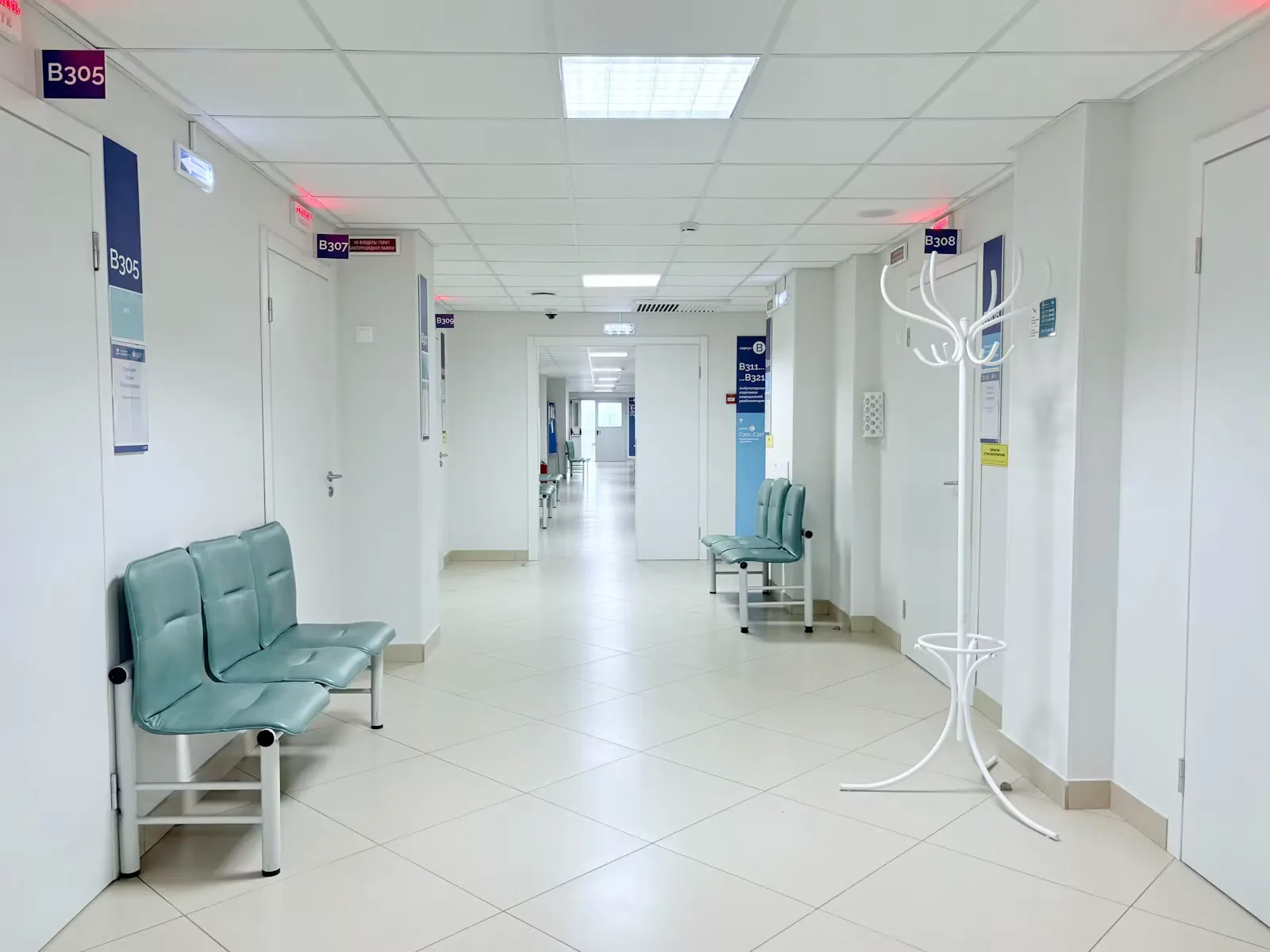
A complete, on-time clinical clerkship application is what stands between you and hands-on clinical experience like this.
What Insurance, Vaccination and Visa Steps Should You Complete?
These steps run in parallel with your paperwork, not after it:
Vaccinations: Book a travel-health consultation as soon as you have a placement in view. The World Health Organization recommends checking with a local health practitioner which vaccines are required or advisable for your destination well before departure (WHO — Vaccines and travel, 2026).
Insurance: Arrange health and travel insurance that explicitly covers a clinical placement, including needlestick-injury and medical-evacuation cover, and get written confirmation before you travel.
Visa: Requirements differ by destination and nationality — check your destination's official immigration portal directly, and never assume your home country's rules apply abroad.
Recognition: Separately from your clinical clerkship application itself, confirm in writing with your own university or regulator that the placement, dates and department will count toward your degree — this is decided at home, not by the host institution. For guidance on recognition specifically, see our medical electives abroad guide.
How Does travel4med Support Your Clinical Clerkship Application?
travel4med handles the coordination work behind your clinical clerkship application at partner hospitals in Sri Lanka, Nepal, Bali and Zanzibar: confirming placement dates and specialty availability, briefing you on what documents each host institution actually needs, and connecting you with on-the-ground support once you arrive. Explore the locations overview or read real accounts on our experience reports page — including from students who completed their clinical clerkship placement with us. This guide is reviewed by the travel4med clinical placements team, who coordinate documents and deadlines directly with partner hospitals at every destination we work with.
Ready to start your clinical clerkship application? Tell us your destination, dates and training level, and we'll help you understand exactly what documents and timing you need. Book a free consultation with travel4med to get started.
Maximilian Andreas Storz, "International medical electives during and after the COVID-19 pandemic – current state and future scenarios: a narrative review," Globalization and Health, 2022: pmc.ncbi.nlm.nih.gov/articles/PMC9026059 (up to 50% of medical students in high-income countries take part in an elective abroad).
Yale School of Medicine — Visiting International Student Elective Program: medicine.yale.edu (application window, required documents and program costs for 2026–2027).
World Health Organization — Vaccines and travel: who.int/travel-advice/vaccines (check required or recommended vaccines with a local health practitioner before international travel).